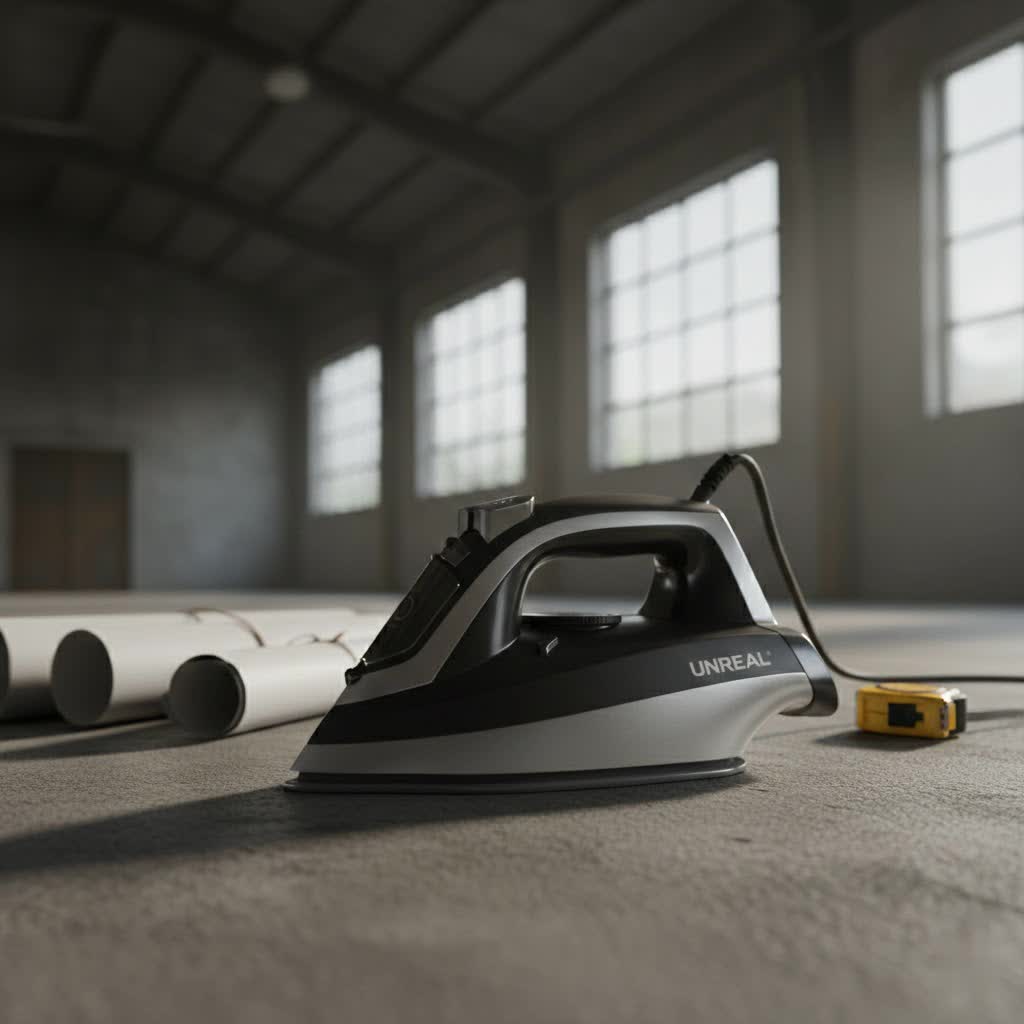
Tired of battling stubborn wrinkles that diminish the crispness of your favorite outfits? A Steam Iron is more than just a household appliance; it’s a powerful tool designed to transform your garment care routine, leaving clothes looking professionally pressed and impeccably smooth. Whether you’re a seasoned ironing pro or new to the world of textile care, understanding the nuances of modern steam irons can elevate your wardrobe and boost your confidence. This comprehensive guide will navigate you through the various types, essential features, and expert tips to help you select and utilize the best steam iron for your needs, ensuring every garment you wear makes a flawless impression.
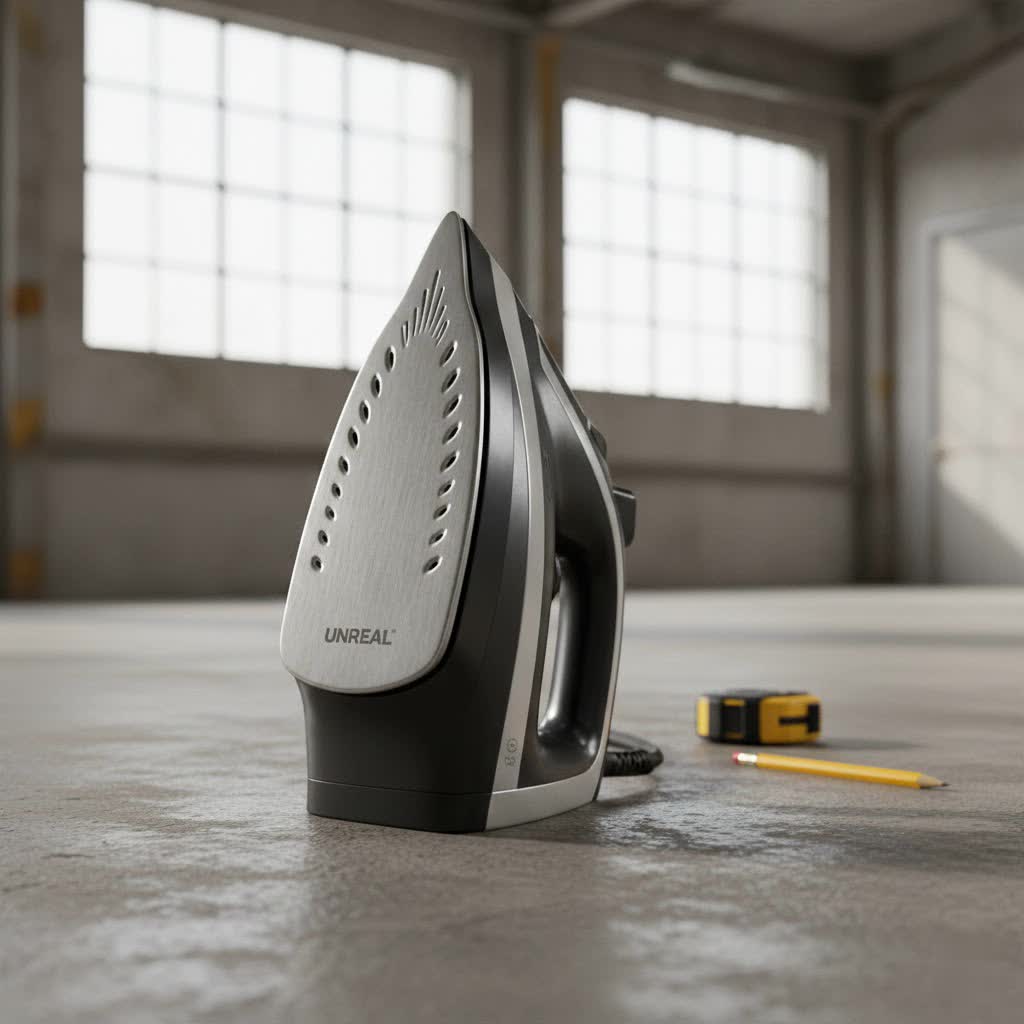
Steam Irons: Your Ultimate Solution for Flawless Garments
Steam irons leverage the power of heated water vapor to relax fabric fibers, making it effortless to smooth out creases and achieve a pristine finish. This technology surpasses traditional dry ironing by penetrating deeper into textiles, allowing for quicker, more efficient, and often gentler wrinkle removal across a wide range of fabrics. The continuous release of steam helps the soleplate glide smoothly, reducing friction and preventing potential scorching, making it an indispensable tool for anyone seeking perfectly pressed clothing.
Popular Types of Steam Irons
The market offers a variety of steam irons, each tailored for different ironing needs and lifestyles. Knowing the distinctions can significantly influence your choice.
- Standard Steam Irons (Handheld): These are the most common household irons, featuring an integrated water tank and heating element. They are compact, relatively lightweight, and ideal for everyday ironing tasks and moderate loads of laundry.
- Steam Generator Irons: Often referred to as steam stations, these systems comprise a separate base unit with a large water reservoir and boiler, connected to a lighter iron via a hose. They produce a higher volume of continuous, high-pressure steam, making them exceptionally effective for large loads, tough fabrics, and professional-level results.
- Travel Steam Irons/Handheld Garment Steamers: Designed for portability, travel irons are typically smaller, lighter, and often foldable. Handheld garment steamers are a subset, focusing on vertical steaming for quick touch-ups on hanging clothes, delicates, or refreshing upholstery without an ironing board.
|
Our Picks for the Best Steam Iron in 2026
We may earn a commission when you use one of our links to make a purchase.
|
||
| Num | Product | Action |
|---|---|---|
| 1 | BLACK+DECKER Easy Steam Compact Iron for Clothes, Automatic Shutoff, Nonstick Plate, Light Weight, 1200 Watts |

|
| 2 | Travel Steamer for Clothes, 1200W Handheld Garment Steamer & Iron 2-in-1, 15s Fast Heat-up Portable Steam Iron with Large Ceramic Panel, 120V Mini Ironing Machine for Home, Travel and Business |
|
| 3 | Rowenta Handheld Steamer for Clothes, Pure Force 2in1 Steamer & Iron, 1875W, Vertical/Horizonal Steaming & Ironing, Lightweight, Auto-off, XL power, 1875 Watts, DR8822 |
|
| 4 | Professional Garment Steamer, 2-in-1 Vertical & Handheld for Wrinkles, 6 Steam Modes, 30-Second Heat Up, 800mL Tank, Auto Shut-Off, Portable & Standing Design, White |
|
| 5 | Rowenta Iron Steamer for Clothes, Focus Stainless Steel Soleplate, 400 Microsteam Holes, Powerful Steam Iron, Lightweight, Leakproof, 1725 Watts |
|
| 6 | Rowenta Iron, Focus Excellence Stainless Steel Soleplate Steam Iron for Clothes, Retractable Cord, 400+ Microsteam Holes, Powerful steam, LED Display, 1750 W Ironing Clothes, Cordreel, Red DW5433 |
|
| 7 | Jack & Rose Travel Steamer for Clothes,100-220V Portable Iron,15s Heat Up,Steamer & Iron 2 In 1, Travel Size,Large Ceramic Heat Panel,for Global and Europe |
|
| 8 | Sunbeam Turbo Steam Iron 1400W Quick Heat Stainless Steel Soleplate Shot of Steam Horizontal and Vertical 3 Way Auto Off 240ml Water Tank White Teal |
|
| 9 | BLACK+DECKER Steam Iron for Clothes with Retractable Cord, Vertical Steaming, Anti-Drip Design, Spray Mist and Auto Clean Button, 1200W |
|
| 10 | Hamilton Beach Steam Iron for Clothes & Garment Steamer with Smooth Press Stainless Steel Soleplate, 1200 Watts, 8’ Retractable Cord, Black (14214) |
|
Advantages and Disadvantages of Each Type
Each type of steam iron offers distinct benefits and drawbacks, making them suitable for different users.
- Standard Steam Irons
- Pros: Compact and lightweight, easy to store, quick to heat up for small batches, and generally more affordable. They are versatile for various fabrics with adjustable heat and steam settings.
- Cons: Smaller water tank requires frequent refills for larger loads. Steam output is generally lower and less consistent than steam generator models, which can make tackling deep creases more challenging.
- Steam Generator Irons
- Pros: Deliver powerful, continuous high-pressure steam for faster and more effective wrinkle removal, even on stubborn fabrics like denim. The separate, large water tank allows for extended ironing sessions without interruption, and the iron itself is lighter and easier to maneuver. They often feature vertical steam capabilities for hanging garments.
- Cons: Bulkier and require more storage space, making them less ideal for small living areas. They are typically more expensive and take slightly longer to heat up initially.
- Travel Steam Irons/Handheld Garment Steamers
- Pros: Extremely portable and lightweight, perfect for travel or quick touch-ups on the go. Handheld steamers are excellent for delicate fabrics, suits, and curtains that are difficult to iron flat. They eliminate the need for an ironing board.
- Cons: Lower steam output and smaller water capacity mean they are not suitable for large piles of heavily wrinkled clothes. They often don’t provide the crisp, pressed finish that a traditional iron can achieve.
Comparison Table of Steam Iron Types
| Feature | Standard Steam Iron | Steam Generator Iron | Travel/Handheld Steamer |
|---|---|---|---|
| Size/Weight | Compact, moderately heavy | Bulky, iron is lightweight | Super compact, very light |
| Steam Output | Moderate, intermittent | High-pressure, continuous | Low to moderate, continuous |
| Water Capacity | Small (200-350ml) | Large (1.0-2.5L) | Very Small (50-200ml) |
| Heat-up Time | Quick | Moderate | Very quick |
| Price Range | Budget to Mid-range | Mid to High-end | Budget to Mid-range |
| Best For | Everyday ironing, moderate loads | Large loads, tough fabrics, professional finish | Travel, quick touch-ups, delicates |
How to Choose the Perfect Steam Iron for Your Needs
Selecting the right steam iron involves understanding your specific requirements and prioritizing features that matter most to you.
- Determine Your Usage Needs:
- Frequency and Volume: Do you iron daily, weekly, or occasionally? Do you tackle large piles of laundry or just a few items? Frequent, large loads benefit from a steam generator, while occasional, small loads are fine with a standard or travel iron.
- Fabric Types: Consider the materials you typically iron. Delicate silks might require vertical steaming, while heavy linens demand high steam output.
- Evaluate Key Features:
- Wattage: Higher wattage (2000W and above) generally means faster heat-up times and more powerful steam production, leading to quicker results.
- Soleplate Material: The material of the soleplate affects glide and durability. Common options include:
- Stainless Steel: Durable, glides well, even heat distribution. Can scratch.
- Ceramic: Excellent non-stick properties, good heat distribution, glides smoothly.
- Non-stick Coated: Often found on budget models, provides smooth glide but can wear over time.
- Water Tank Capacity: A larger tank means fewer refills, especially beneficial for longer ironing sessions. Look for transparent tanks for easy monitoring.
- Steam Output and Settings:
- Continuous Steam: Measured in grams per minute (g/min), higher numbers indicate more consistent steam.
- Steam Shot/Burst: An extra surge of steam for stubborn wrinkles.
- Vertical Steam: Allows you to de-wrinkle hanging garments or curtains without an ironing board.
- Variable Steam: Adjustable steam levels for different fabric types.
- Auto Shut-off: A crucial safety feature that turns off the iron if left unattended for a period, either horizontally or vertically.
- Self-Cleaning/Anti-Calc System: Helps prevent mineral buildup from hard water, extending the iron’s lifespan and maintaining steam performance.
- Cord Length and Swivel: A longer, swiveling cord provides greater flexibility and prevents tangles during use.
- Weight: Lighter irons are easier to maneuver but may require more pressure, while heavier irons use their weight to press creases out but can be more tiring for extended use.
- Read User Reviews: Gain insights into real-world performance, durability, and any common issues from other consumers. This can often highlight practical aspects not apparent from product specifications alone.
Essential Tips for Using and Maintaining Your Steam Iron
Proper usage and regular maintenance are crucial for maximizing the performance and longevity of your steam iron.
- Always Read the User Manual: Each model has specific instructions for optimal performance and safety. Familiarize yourself with its unique features and recommendations.
- Use Distilled or Filtered Water: Tap water, especially in hard water areas, can lead to mineral buildup (limescale) that clogs steam vents and reduces efficiency. Using distilled or filtered water minimizes this risk, though some modern irons are designed to handle tap water.
- Regular Cleaning and Descaling:
- Soleplate: Clean the soleplate regularly with a damp cloth and mild detergent (when cool) to remove starch or fabric residue. For stubborn spots, a non-abrasive soleplate cleaner can be used.
- Descaling: If your iron has a self-cleaning function, use it as recommended by the manufacturer. Otherwise, regularly flush the water tank with a solution of white vinegar and water (check manual for specific ratios) to remove mineral deposits.
- Empty the Water Tank After Each Use: Never store your iron with water in the tank, as this can encourage limescale buildup and potential leakage.
- Store Properly: Allow the iron to cool completely before storing it upright in a dry, safe place. If your iron has a cord wrap or storage, utilize it to keep the cord tidy and prevent damage.
“A well-maintained steam iron is not just a tool; it’s an investment in the longevity and pristine appearance of your wardrobe. Neglecting its care can lead to frustrating performance issues and a shorter lifespan.”
Conclusion
A high-quality steam iron is an invaluable asset in maintaining a polished and professional appearance. By understanding the different types available, the critical features to consider, and how to properly care for your appliance, you can make an informed decision that perfectly aligns with your garment care routine. Investing in the right steam iron means less time spent on wrinkles and more time enjoying perfectly smooth, crisp clothing. Which feature do you consider most important when choosing your next steam iron?
Frequently Asked Questions
What makes a steam iron better than a dry iron?
Steam irons are generally more effective at removing wrinkles because the steam penetrates fabric fibers, relaxing them and making them easier to smooth out. Dry irons rely solely on heat and pressure, which can be less effective on stubborn creases and may require more passes, potentially causing fabric damage.
Can I use tap water in my steam iron?
While some modern steam irons are designed to handle tap water, using distilled or demineralized water is generally recommended, especially in areas with hard water. This prevents mineral buildup (limescale) in the water tank and steam vents, which can clog the iron and stain clothes.
How often should I descale my steam iron?
The frequency of descaling depends on how often you use your iron and the hardness of your water. If you notice steam output decreasing or white flakes appearing, it’s a sign that descaling is needed. Regular users in hard water areas might need to descale monthly, while occasional users could do it every few months.
What is vertical steaming, and is it useful?
Vertical steaming allows you to steam clothes while they are hanging, rather than laid flat on an ironing board. It’s particularly useful for quick touch-ups on suits, dresses, delicate fabrics, or even curtains, offering convenience and gentle wrinkle removal without direct contact.
What soleplate material is best for a steam iron?
There’s no single “best” material, as it depends on preference. Stainless steel offers excellent glide and durability, ceramic provides good heat distribution and a non-stick surface, and aluminum is often found on more budget-friendly models. Consider ceramic or stainless steel for a balance of performance and longevity.