Walk into any well-appointed room, and you’ll likely notice the curtains—draped perfectly, free from creases, and adding an elegant touch. But achieving that pristine look can be a challenge, especially with stubborn wrinkles from packaging, storage, or daily life. This is where a steam iron, or more specifically, a fabric steamer, becomes your secret weapon, transforming tired drapes into flowing masterpieces.
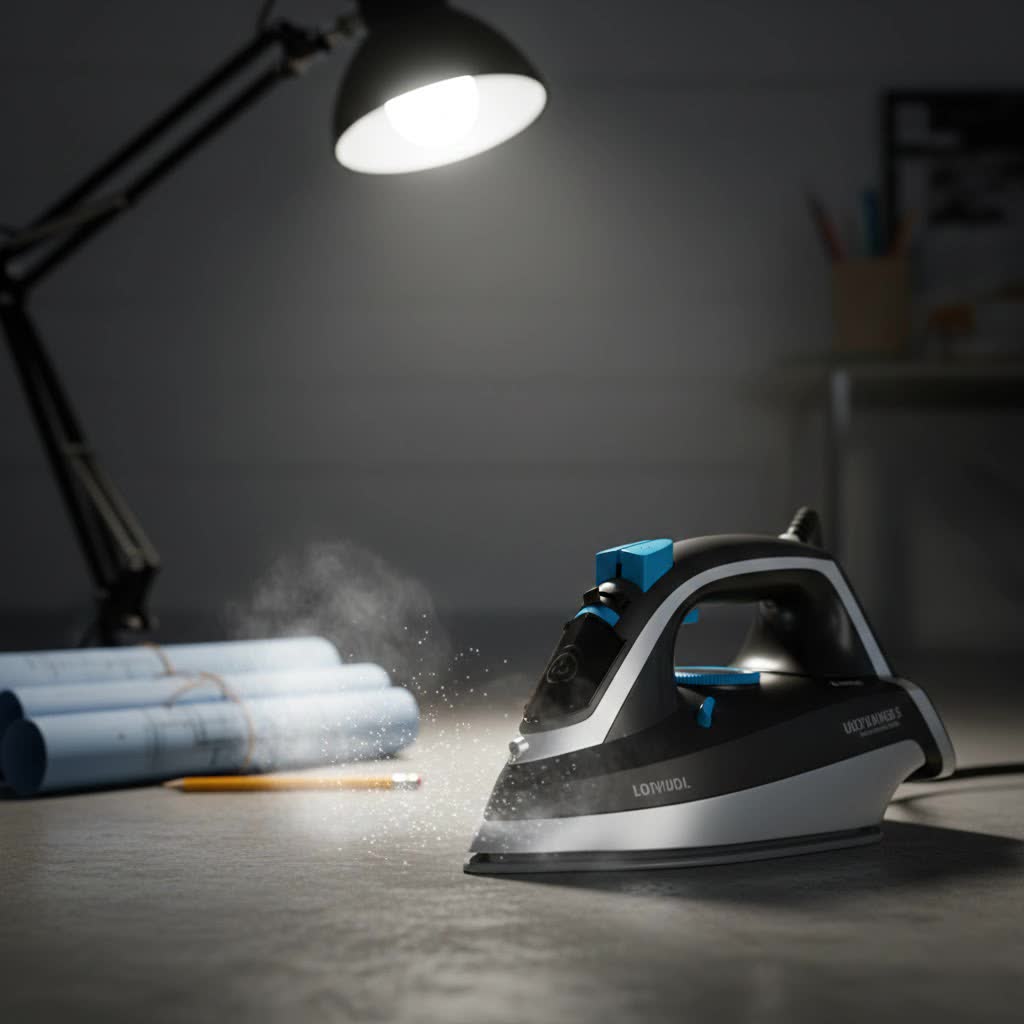
Understanding Steam Irons and Their Role for Curtains
While a traditional iron pressed against an ironing board is effective for clothing, curtains present a unique challenge due to their size, weight, and the fact that they often need to be treated while hanging. Attempting to iron large curtain panels on a board can be cumbersome and lead to new wrinkles. This is where the power of steam, delivered through a dedicated fabric steamer or a steam iron with a robust vertical steam function, truly shines. For see our home recommendations on this site.
Steam works by gently penetrating fabric fibers, relaxing them and allowing wrinkles to smooth out without direct pressure or the risk of scorching. For curtains, this means you can refresh and de-wrinkle them directly on the rod, saving significant time and effort. Beyond wrinkle removal, steaming offers additional benefits: it can help sanitize fabrics by killing dust mites and bacteria, and it eliminates odors, leaving your curtains looking and smelling fresh.
Types of Steam Irons and Steamers for Curtains
When it comes to tackling curtain wrinkles, you have a few primary tools at your disposal, each with distinct advantages:
Handheld Garment Steamers
These compact and lightweight devices are perhaps the most popular choice for curtain care.
- Pros: Highly portable, quick heat-up times, and excellent maneuverability make them ideal for quick touch-ups and working on curtains while they hang. Their design allows for easy navigation around pleats and intricate details.
- Cons: Smaller water tanks mean more frequent refills, and continuous steam output might be less powerful than larger models.
|
Our Picks for the Best Steam Iron in 2026
We may earn a commission when you use one of our links to make a purchase.
|
||
| Num | Product | Action |
|---|---|---|
| 1 | BLACK+DECKER Easy Steam Compact Iron for Clothes, Automatic Shutoff, Nonstick Plate, Light Weight, 1200 Watts |

|
| 2 | Professional Garment Steamer, 2-in-1 Vertical & Handheld for Wrinkles, 6 Steam Modes, 30-Second Heat Up, 800mL Tank, Auto Shut-Off, Portable & Standing Design, White |
|
| 3 | Hamilton Beach Steam Iron for Clothes & Garment Steamer with Smooth Press Stainless Steel Soleplate, 1200 Watts, 8’ Retractable Cord, Black (14214) |
|
| 4 | Rowenta Iron, Focus Excellence Stainless Steel Soleplate Steam Iron for Clothes, Retractable Cord, 400+ Microsteam Holes, Powerful steam, LED Display, 1750 W Ironing Clothes, Cordreel, Red DW5433 |
|
| 5 | BLACK+DECKER Steam Iron for Clothes with Retractable Cord, Vertical Steaming, Anti-Drip Design, Spray Mist and Auto Clean Button, 1200W |
|
| 6 | Rowenta Iron Steamer for Clothes, Focus Stainless Steel Soleplate, 400 Microsteam Holes, Powerful Steam Iron, Lightweight, Leakproof, 1725 Watts |
|
| 7 | Jack & Rose Travel Steamer for Clothes,100-220V Portable Iron,15s Heat Up,Steamer & Iron 2 In 1, Travel Size,Large Ceramic Heat Panel,for Global and Europe |
|
| 8 | Sunbeam Turbo Steam Iron 1400W Quick Heat Stainless Steel Soleplate Shot of Steam Horizontal and Vertical 3 Way Auto Off 240ml Water Tank White Teal |
|
| 9 | Rowenta Handheld Steamer for Clothes, Pure Force 2in1 Steamer & Iron, 1875W, Vertical/Horizonal Steaming & Ironing, Lightweight, Auto-off, XL power, 1875 Watts, DR8822 |
|
| 10 | Travel Steamer for Clothes, 1200W Handheld Garment Steamer & Iron 2-in-1, 15s Fast Heat-up Portable Steam Iron with Large Ceramic Panel, 120V Mini Ironing Machine for Home, Travel and Business |
|
Upright/Standing Garment Steamers
Designed for more extensive steaming tasks, these units offer greater capacity and power.
- Pros: Featuring large water tanks, they provide longer continuous steaming sessions, perfect for multiple curtain panels or heavier fabrics. Many come with built-in hangers and adjustable poles, enhancing convenience.
- Cons: Less portable and require dedicated storage space, making them a less flexible option if space is a concern.
Traditional Steam Irons with Vertical Steam Function
Some conventional steam irons are equipped with a “vertical steam” or “burst of steam” feature.
- Pros: Offers dual functionality for both traditional ironing and vertical steaming. These irons often have a heavier soleplate which can provide additional pressure when needed.
- Cons: They can be heavier and less ergonomic for extended vertical use, and their continuous steam output might not be as consistent or powerful as a dedicated steamer. Care must be taken to avoid direct contact with delicate fabrics.
Choosing the Right Steam Iron or Steamer for Your Curtains
Selecting the ideal tool depends on your specific needs, the type of curtains you have, and your lifestyle.
Consider these factors:
- Fabric Type: Delicate fabrics like silk, sheer, or certain synthetics benefit from the gentle touch of a handheld steamer, which minimizes direct contact. Heavier fabrics like linen or thick drapes may require a more powerful upright steamer or a steam iron with a strong burst of steam. Always check your curtain’s care label first.
- Curtain Size and Quantity: If you have many large, long curtains, an upright steamer with a large water tank will save you from constant refilling. For a few smaller panels or quick wrinkle removal, a handheld steamer is sufficient.
- Frequency of Use: If you plan to steam curtains regularly, invest in a durable model with good continuous steam output.
- Portability and Storage: Handheld steamers are excellent for small spaces or travel. Upright steamers require more storage but offer greater convenience for frequent, heavy-duty use.
- Features: Look for features like fast heat-up time, multiple steam settings for different fabrics, a comfortable grip, a long power cord for reach, and safety features like automatic shut-off. Attachments like fabric brushes can also be useful for loosening fibers and tackling stubborn wrinkles.
- Water Tank Capacity: A larger tank means less frequent refilling, which is a major time-saver when steaming extensive drapes.
- Wattage and Steam Output: Higher wattage often translates to faster heat-up and stronger steam. Look for models that produce consistent, powerful steam to effectively relax curtain fibers.
How to Steam Curtains Effectively: A Step-by-Step Guide
Steaming curtains correctly ensures smooth, flawless results and protects your delicate fabrics.
-
Preparation is Key:
- Check the Care Label: Before you begin, always examine your curtain’s care instructions. Most curtain fabrics, including cotton, linen, polyester, and many blends, are safe for steaming. However, certain materials like velvet or heavily embellished drapes might require special care or professional cleaning.
- Clean Curtains: Ensure your curtains are clean. Steaming over stains can set them permanently.
- Fill with Distilled Water: Always use distilled water in your steam iron or steamer. Tap water contains minerals that can build up, clog the device, and potentially leave mineral spots on your curtains.
- Hang Curtains Properly: For the best results, steam curtains while they are hanging on their rod. Ensure they are fully closed and arranged smoothly to allow easy access to all sections.
-
Test and Begin Steaming:
- Preheat: Allow your steamer or steam iron to fully heat up until it produces a steady stream of steam.
- Spot Test: If you’re unsure about the fabric, test a small, inconspicuous area (like a bottom corner or behind a fold) first to ensure no discoloration or damage occurs.
- Start at the Top: Begin steaming from the top of the curtain panel and work your way downwards. This allows gravity to help pull the wrinkles out as the steam relaxes the fabric fibers.
- Hold Fabric Taut: Gently pull the bottom hem of the curtain taut with your free hand as you steam. This provides resistance, allowing the steam to work more effectively on the wrinkles. Do not pull too hard, as this can distort the fabric.
- Even Strokes: Move the steamer nozzle in steady, overlapping vertical strokes, maintaining a slight distance (usually 1-2 inches) from the fabric. Adjust the distance based on the fabric’s delicacy and the steamer’s power.
- Address Stubborn Wrinkles: For deep creases, you might need to go over the area multiple times or apply steam for a slightly longer duration.
- Work in Sections: Divide large curtains into manageable vertical sections, completing one section before moving to the next.
-
Post-Steaming Tips:
- Allow to Dry: After steaming, let the curtains hang undisturbed for a few minutes to cool and completely dry. This helps the fabric “set” in its smooth, wrinkle-free state.
- Don’t Over-saturate: Avoid over-saturating the fabric, especially delicate ones, as this can lead to water marks.
Top 5 Steam Irons/Steamers for Curtains
Based on performance, user reviews, and suitability for curtain care, here are some top contenders:
-
Conair Turbo ExtremeSteam Handheld Garment Steamer:
- Pros: Renowned for its powerful steam output and fast heat-up time. It often includes multiple steam settings and attachments, making it versatile for various fabrics, including curtains. Many users praise its effectiveness on stubborn wrinkles.
- Cons: The water tank, while decent for a handheld, may require refills for very large curtain sets.
- Price: Mid-range.
- Overall: An excellent all-rounder for efficient, quick curtain steaming.
-
BLACK+DECKER Advanced Handheld Steamer:
- Pros: Features a long cord, making it easy to reach high curtains. It offers strong steam performance and quick wrinkle removal. Some models stand upright and have an auto shut-off for safety.
- Cons: Can be slightly heavier than some other handheld options.
- Price: Budget-friendly to mid-range.
- Overall: A reliable and practical choice, especially for homes with tall windows.
-
Rowenta X-Cel Steam Handheld Garment Steamer / Rowenta Perfect Steam Pro Station (for upright):
- Pros: Rowenta is known for its quality and powerful steam. Their handheld models offer quick results and are effective on a variety of fabrics. The Perfect Steam Pro Station, a more robust upright option, is ideal for large volumes of fabric like multiple curtains, offering continuous strong steam and a large water tank.
- Cons: Higher price point for their premium models.
- Price: Mid-range to high-end.
- Overall: A strong choice for those seeking premium performance and durability.
-
CHI Lava Electric Iron (with Vertical Steam):
- Pros: While primarily a traditional iron, CHI models often boast excellent vertical steam capabilities, making them versatile. The lava-infused soleplate is known for smooth gliding and even heat distribution. It’s effective on all fabric types.
- Cons: Heavier than a dedicated steamer, which might make extended vertical steaming sessions more tiring.
- Price: Mid-range to high-end.
- Overall: Best for those who want a powerful iron that can also handle vertical steaming tasks for curtains.
-
SALAV Full Size Garment Steamer:
- Pros: SALAV offers a range of full-size garment steamers that provide continuous, powerful steam from large water tanks. These are excellent for large curtain installations, offering ample steaming time and consistent results. Often come with useful attachments.
- Cons: Less portable due to its upright design.
- Price: Mid-range.
- Overall: An ideal choice for frequent, heavy-duty curtain steaming tasks in a household.
Maintenance and Care for Your Steam Iron/Steamer
Proper care extends the life of your steaming device and ensures optimal performance.
- Read the Manual: Always refer to your specific model’s user manual for detailed cleaning and maintenance instructions.
- Use Distilled Water: As mentioned, consistently using distilled water prevents mineral buildup (calcification) inside the machine, which can clog steam vents and reduce efficiency.
- Empty Water Tank: After each use, empty any remaining water from the tank to prevent stagnant water buildup and potential mildew.
- Regular Cleaning: Periodically wipe down the exterior of your steamer/iron. For the soleplate of a steam iron, clean according to manufacturer instructions, often with a damp cloth.
- Descaling: If you notice reduced steam output or mineral deposits, descale your unit according to the manufacturer’s recommendations. This typically involves using a vinegar solution or a commercial descaling agent.
- Proper Storage: Store your device in a dry, safe place. If it’s an upright steamer, coil the hose neatly to prevent kinks.
Conclusion
A clean, smooth curtain instantly elevates the aesthetic of any room, and with the right steam iron or garment steamer, achieving this polished look is simpler than ever. From quick touch-ups with a portable handheld steamer to tackling extensive drapes with a powerful upright model, the versatility of these devices makes them an indispensable tool in your home care arsenal. By understanding the different types available, choosing one that matches your needs, and following proper steaming techniques and maintenance, you can ensure your curtains remain beautifully draped and wrinkle-free, adding a touch of elegance to your living space. Which type of steamer will best simplify your curtain care routine?
Frequently Asked Questions
Can I use a regular steam iron to steam curtains?
Yes, many modern steam irons have a vertical steam function, allowing them to be used for steaming curtains while they hang. However, dedicated garment steamers generally offer more consistent and powerful steam output for vertical tasks, making them more efficient for larger or heavily wrinkled curtains.
Is it better to steam curtains or iron them?
For curtains, steaming is almost always preferred over traditional ironing. Steaming allows you to de-wrinkle curtains while they are hanging, avoiding the tedious process of laying large panels on an ironing board and minimizing the risk of creasing or scorching the fabric.
What kind of water should I use in my steam iron for curtains?
You should always use distilled water in your steam iron or steamer. Tap water contains minerals that can lead to calcium buildup, which can clog the steam vents, reduce performance, and potentially leave white mineral deposits on your curtains.
How often should I steam my curtains?
The frequency depends on how quickly your curtains accumulate wrinkles or odors. For a fresh look, you might steam them every few months, or as needed for special occasions. Regular light steaming can also help extend the time between full washes.
Can steaming damage curtain fabric?
When done correctly and following the fabric care label, steaming is a very gentle method and is unlikely to damage most curtain fabrics. Always perform a spot test on an inconspicuous area, especially for delicate or unfamiliar materials, and avoid holding the steamer too close or over-saturating the fabric.
