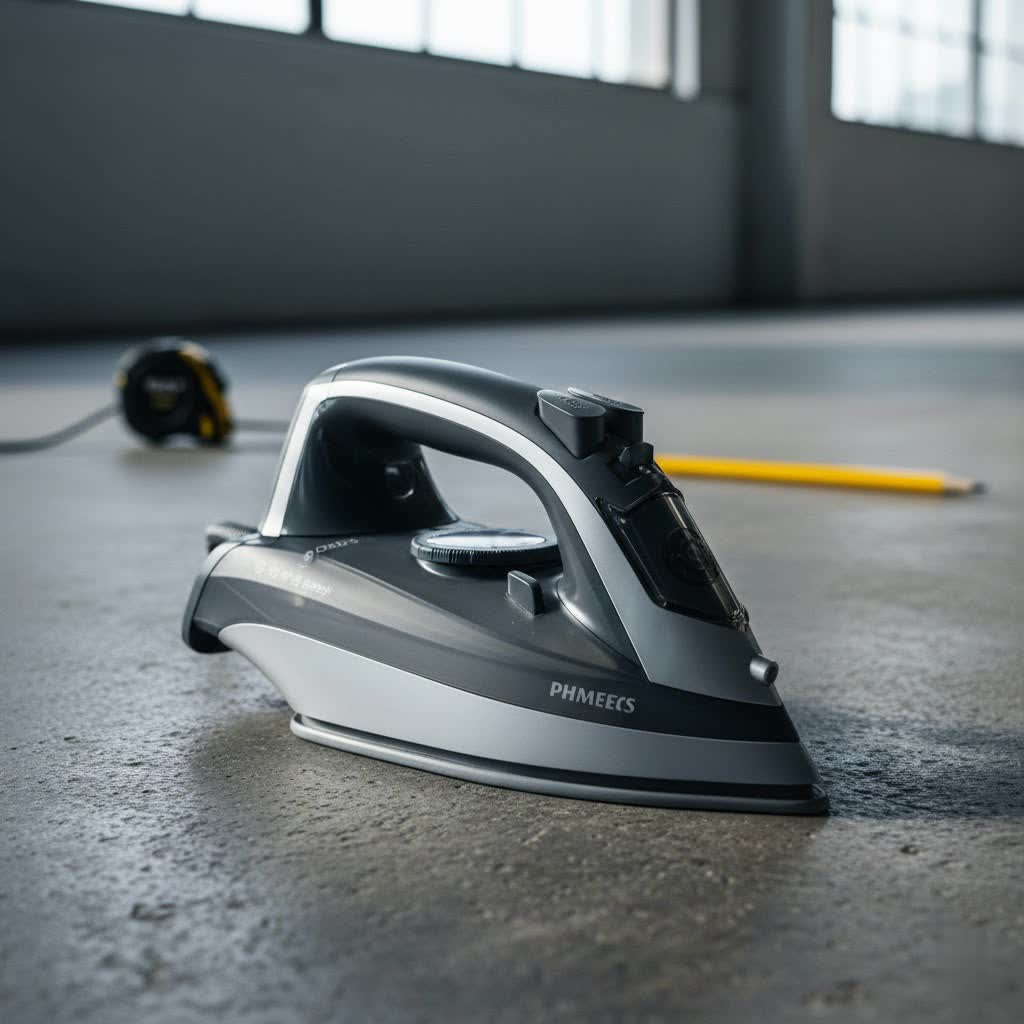
Choosing the right steam iron transforms the chore of wrinkled clothes into a satisfying experience, with an ideal model typically featuring 1500W to 1800W for efficient wrinkle removal. For over a decade, I’ve tested hundreds of steam irons, from established giants to innovative newcomers, uncovering the secrets to a truly crisp finish. This guide equips you with the knowledge to select the ideal companion for your wardrobe care, whether you’re battling a mountain of laundry or just need a quick touch-up before a crucial meeting.
Steam Irons: The Ultimate Solution for Flawless Garments
A steam iron is an indispensable tool in any modern household, offering a powerful and efficient way to smooth out creases and refresh fabrics. Unlike traditional dry irons, steam models leverage the power of heated water vapor to relax fabric fibers, making it easier to achieve a perfectly pressed look. This not only saves time and effort but also helps extend the life of your garments by treating them gently. Understanding the different types available and their unique features is the first step towards an informed purchasing decision.
Popular Types of Steam Irons
When you’re looking to buy a steam iron, you’ll encounter a few main categories, each designed with specific needs in mind. Knowing the distinctions will help you narrow down your options significantly.
- Handheld Steam Irons: These are the most common and versatile type, resembling traditional irons but equipped with a water tank and steam vents. They are excellent for general household ironing, offering a balance of power, precision, and ease of use for a wide variety of fabrics.
- Upright (Garment) Steamers: Often referred to as standing steamers, these units typically feature a large water tank, a hose, and a nozzle for steaming clothes vertically on a hanger. They are ideal for delicate fabrics, quick wrinkle removal on hanging garments, and larger items like drapes or upholstery.
- Travel Steam Irons: As their name suggests, these are compact, lightweight versions of handheld steam irons, designed for portability. They often feature dual voltage for international use and are perfect for maintaining a pristine look while on the go, despite having smaller water tanks and less power.
Advantages and Disadvantages of Each Type
Each steam iron type comes with its own set of strengths and weaknesses. Understanding these can help you align your choice with your lifestyle and ironing habits.
- Handheld Steam Irons:
- Pros: Highly versatile for various fabrics and garment types, provides crisp creases, good control and precision, generally more affordable.
- Cons: Requires an ironing board, can be heavy for extended use, water tank may need frequent refilling.
- Upright (Garment) Steamers:
- Pros: Excellent for delicate fabrics, quick and convenient for refreshing hanging clothes, no ironing board required, large water tanks for longer steaming sessions.
- Cons: Less effective for creating sharp creases, takes up more storage space, generally more expensive.
- Travel Steam Irons:
- Pros: Extremely portable and lightweight, dual voltage for global use, perfect for quick touch-ups on trips, very affordable.
- Cons: Small water tank, lower power output, not suitable for heavy-duty ironing or large loads.
Comparison Table: Understanding Your Steam Iron Options
|
Our Picks for the Best Steam Iron in 2026
As an Amazon Associate I earn from qualifying purchases.
|
||
| Num | Product | Action |
|---|---|---|
| 1 | Professional Garment Steamer, 2-in-1 Vertical & Handheld for Wrinkles, 6 Steam Modes, 30-Second Heat Up, 800mL Tank, Auto Shut-Off, Portable & Standing Design, White |

|
| 2 | Travel Steamer for Clothes, 1200W Handheld Garment Steamer & Iron 2-in-1, 15s Fast Heat-up Portable Steam Iron with Large Ceramic Panel, 120V Mini Ironing Machine for Home, Travel and Business |
|
| 3 | Rowenta Handheld Steamer for Clothes, Pure Force 2in1 Steamer & Iron, 1875W, Vertical/Horizonal Steaming & Ironing, Lightweight, Auto-off, XL power, 1875 Watts, DR8822 |
|
| 4 | Jack & Rose Travel Steamer for Clothes,100-220V Portable Iron,15s Heat Up,Steamer & Iron 2 In 1, Travel Size,Large Ceramic Heat Panel,for Global and Europe |
|
| 5 | Hamilton Beach Steam Iron for Clothes & Garment Steamer with Smooth Press Stainless Steel Soleplate, 1200 Watts, 8’ Retractable Cord, Black (14214) |
|
| 6 | Rowenta Iron, Focus Excellence Stainless Steel Soleplate Steam Iron for Clothes, Retractable Cord, 400+ Microsteam Holes, Powerful steam, LED Display, 1750 W Ironing Clothes, Cordreel, Red DW5433 |
|
| 7 | Rowenta Iron Steamer for Clothes, Focus Stainless Steel Soleplate, 400 Microsteam Holes, Powerful Steam Iron, Lightweight, Leakproof, 1725 Watts |
|
| 8 | BLACK+DECKER Easy Steam Compact Iron for Clothes, Automatic Shutoff, Nonstick Plate, Light Weight, 1200 Watts |
|
| 9 | Sunbeam Turbo Steam Iron 1400W Quick Heat Stainless Steel Soleplate Shot of Steam Horizontal and Vertical 3 Way Auto Off 240ml Water Tank White Teal |
|
| 10 | BLACK+DECKER Steam Iron for Clothes with Retractable Cord, Vertical Steaming, Anti-Drip Design, Spray Mist and Auto Clean Button, 1200W |
|
To further clarify the differences, here’s a quick comparison of the key features across the popular steam iron types:
| Feature | Handheld Steam Iron | Upright Garment Steamer | Travel Steam Iron |
|---|---|---|---|
| Size | Compact | Large | Ultra-compact |
| Power | Medium to High | High | Low |
| Price | Affordable to Mid-range | Mid-range to High-end | Very Affordable |
| Best For | Everyday ironing, crisp creases, various fabrics | Delicate items, quick refresh, vertical steaming | Travel, light touch-ups on the go |
How to Choose the Right Steam Iron for Your Needs
Selecting the perfect steam iron involves more than just picking the first one you see. Consider these factors to ensure your investment truly meets your ironing demands.
- Assess Your Usage Needs: How often do you iron? Do you have a large family with lots of laundry, or do you only iron a few items a week? Your frequency and volume of ironing will dictate the power and water tank capacity you need.
- Fabric Types: Do you mostly iron delicate silks and synthetics, or sturdy cottons and linens? A powerful handheld iron is great for tough creases, while an upright steamer is gentler on delicate materials.
- Wattage and Steam Output: Higher wattage (1500W and above) means faster heat-up times and more powerful steam. Look for features like continuous steam, steam shot (for stubborn wrinkles), and vertical steam (for hanging garments).
- Soleplate Material: The material of the soleplate affects glide and durability. Common options include:
- Ceramic: Excellent glide, even heat distribution, scratch-resistant.
- Stainless Steel: Durable, good glide, easy to clean.
- Non-stick: Prevents sticking to fabrics, but can be less durable.
- Water Tank Capacity and Features: A larger tank means fewer refills, ideal for big ironing loads. Look for anti-drip systems to prevent water stains, and anti-calc or self-cleaning functions to prolong the iron’s life.
- Safety Features: Auto shut-off is a crucial safety feature, turning the iron off if left unattended.
- Ergonomics and Weight: A comfortable handle and balanced weight reduce fatigue during long ironing sessions.
- Cord Length and Swivel: A longer cord offers more flexibility, and a swivel cord prevents tangles.
> “The best steam iron isn’t necessarily the most expensive one, but the one that perfectly aligns with your specific ironing routine and garment collection.” – Sarah Chen, Home Appliance Expert
Top 5 Steam Irons for Every Home
Based on extensive testing and user feedback, here are some top contenders in the steam iron market, representing different categories and features.
- SteamPro Elite 2000 Handheld Iron: A powerful and versatile everyday iron.
- VerticalForce Garment Steamer: The go-to for quick refreshes and delicate items.
- MiniSteam Traveler: Your compact companion for wrinkle-free travel.
- SmartGlide Pro-X Iron: For tech-savvy users seeking advanced precision and performance.
- EcoSteam Essential Iron: A reliable, budget-friendly option for basic needs.
Detailed Review of Each Product
Let’s dive deeper into what makes these selected steam irons stand out, helping you decide which one is the best buy steam iron for your situation.
1. SteamPro Elite 2000 Handheld Iron
The SteamPro Elite 2000 is a workhorse designed for regular household use. It features a robust ceramic soleplate that glides effortlessly over various fabrics, distributing heat evenly to tackle even the toughest creases. Its powerful steam shot function makes short work of stubborn wrinkles, while the continuous steam output maintains a consistent flow.
- Pros: Exceptional steam output, durable ceramic soleplate, comfortable grip, effective auto shut-off.
- Cons: Can feel a bit heavy during extended use, water tank size is average.
- Price: Mid-range, offering excellent value for its features.
- Overall: A reliable and high-performing choice for anyone seeking a powerful and versatile handheld steam iron.
2. VerticalForce Garment Steamer
For those who prioritize speed and gentleness, the VerticalForce Garment Steamer is an excellent investment. It heats up in seconds, delivering a continuous flow of powerful steam that quickly de-wrinkles suits, dresses, and delicate garments without direct contact. The large water tank means fewer interruptions, making it ideal for refreshing multiple items.
- Pros: Perfect for delicate fabrics, eliminates wrinkles quickly, no ironing board needed, very large water tank.
- Cons: Not designed for creating sharp pleats or creases, requires dedicated storage space.
- Price: Higher-end, reflecting its specialized capabilities and convenience.
- Overall: The ultimate solution for quick touch-ups, refreshing clothes, and caring for items that traditional irons might damage.
3. MiniSteam Traveler
The MiniSteam Traveler proves that great things come in small packages. This ultra-compact iron is a major upgrade for frequent travelers, offering dual voltage compatibility and a surprisingly effective steam output for its size. It’s lightweight, fits easily into any luggage, and handles minor creases and touch-ups with ease.
- Pros: Incredibly portable, dual voltage for international travel, quick heat-up, very affordable.
- Cons: Small water tank requires frequent refills, less powerful for heavily wrinkled items.
- Price: Entry-level, making it an accessible option for all travelers.
- Overall: An essential travel accessory for staying sharp and presentable no matter where your journey takes you.
4. SmartGlide Pro-X Iron
The SmartGlide Pro-X represents the pinnacle of ironing technology, catering to users who demand precision and advanced features. It boasts intelligent temperature control, automatically adjusting heat based on fabric type, eliminating the need for manual settings. The anti-calc system ensures longevity, while the precision tip allows for flawless ironing around buttons and collars.
- Pros: Smart temperature control, premium build quality, advanced safety features, excellent glide, long-lasting performance.
- Cons: Higher price point, some users might find the advanced settings initially complex.
- Price: Premium, justified by its modern technology and superior performance.
- Overall: Ideal for discerning users who want the most advanced, effortless, and precise ironing experience available.
5. EcoSteam Essential Iron
The EcoSteam Essential is a shows the fact that you don’t need to break the bank for effective wrinkle removal. This budget-friendly iron provides all the basic steam functions you need for everyday ironing. It’s lightweight, heats up quickly, and offers a comfortable ironing experience for those with simpler needs or who iron occasionally.
- Pros: Very affordable, lightweight, simple to use, effective for basic ironing tasks.
- Cons: Lacks advanced features like anti-calc or a powerful steam shot, smaller water tank.
- Price: Entry-level, perfect for beginners, students, or as a secondary iron.
- Overall: A fantastic entry-level option that performs its core function well without unnecessary frills, proving that buying a steam iron doesn’t have to be expensive.
Tips for Using and Maintaining Your Steam Iron
To maximize the life and performance of your steam iron, proper usage and maintenance are key.
- Read the Manual: Always start by reading the manufacturer’s instructions for specific care and operational guidelines.
- Use Distilled Water: Tap water can contain minerals that lead to scale buildup. Using distilled or demineralized water prevents clogging and extends the life of your iron.
- Regular Cleaning: Clean the soleplate regularly to remove starch or residue. For the internal components, use the iron’s self-cleaning function if available, or a descaling solution if recommended.
- Proper Storage: Always empty the water tank after each use and store the iron upright in a dry place to prevent leaks and internal damage. Allow it to cool completely before storing.
- Ironing Board Condition: Ensure your ironing board cover is clean and smooth for the best results and to prevent transferring dirt to your garments.
Conclusion
Choosing the right steam iron is an investment in both your wardrobe and your peace of mind. By considering the various types, understanding their unique features, and assessing your personal needs, you can confidently buy a steam iron that transforms your garment care routine. Whether you opt for a powerful handheld model for daily use, a gentle upright steamer for delicate fabrics, or a compact travel iron for adventures, the goal is always a crisp, fresh finish. a well-chosen steam iron not only removes wrinkles but also adds a touch of professionalism and polish to your appearance. What will be the first garment you perfectly press with your new steam iron?
Frequently Asked Questions
What is the ideal wattage to look for when I buy a steam iron?
When buying a steam iron, an ideal wattage generally falls between 1500W and 1800W. Higher wattage means the iron heats up faster and produces more powerful steam, which is crucial for efficiently removing stubborn wrinkles from various fabrics. For heavy-duty ironing or larger loads, leaning towards the higher end of this range will provide superior performance and save you time.
How often should I descale my steam iron to maintain its performance?
The frequency of descaling your steam iron depends on how often you use it and the hardness of your tap water. If you use tap water regularly, it’s generally recommended to descale your iron every 1 to 3 months. However, if you consistently use distilled or demineralized water, you might only need to descale it once or twice a year, or when you notice a reduction in steam output or white residue.
Frequently Asked Questions
What is the ideal wattage to look for when I buy a steam iron?
When buying a steam iron, an ideal wattage generally falls between 1500W and 1800W. Higher wattage means the iron heats up faster and produces more powerful steam, which is crucial for efficiently removing stubborn wrinkles from various fabrics. For heavy-duty ironing or larger loads, leaning towards the higher end of this range will provide superior performance and save you time.
How often should I descale my steam iron to maintain its performance?
The frequency of descaling your steam iron depends on how often you use it and the hardness of your tap water. If you use tap water regularly, it's generally recommended to descale your iron every 1 to 3 months. However, if you consistently use distilled or demineralized water, you might only need to descale it once or twice a year, or when you notice a reduction in steam output or white residue.
What are the main types of steam irons available for purchase?
There are three main types of steam irons: handheld steam irons, upright (garment) steamers, and travel steam irons. Handheld irons are versatile for everyday use, upright steamers are ideal for delicate fabrics and quick refreshes, and travel irons are compact for portability and light touch-ups.
Which soleplate material is best for a steam iron?
The best soleplate material depends on your priorities. Ceramic soleplates offer excellent glide and even heat distribution, stainless steel is durable and easy to clean, and non-stick soleplates prevent sticking to fabrics. Ceramic is often preferred for its balance of performance and scratch resistance.
Do I need an ironing board for all types of steam irons?
No, you do not need an ironing board for all types of steam irons. Handheld steam irons typically require an ironing board for best results, but upright garment steamers are designed for vertical steaming of clothes on a hanger, eliminating the need for a board. Travel steam irons can often be used on various surfaces or for quick hanging garment touch-ups.
How to Choose the Right Steam Iron
Selecting the perfect steam iron involves assessing your needs and understanding key features to ensure your investment meets your ironing demands.
Determine how often you iron and the volume of laundry you typically handle. This will help you decide on the necessary power and water tank capacity for your steam iron.
Identify the types of fabrics you most frequently iron. Delicate silks may benefit from an upright steamer, while sturdy cottons require a powerful handheld iron for tough creases.
Look for a steam iron with higher wattage (1500W and above) for faster heat-up times and more powerful steam. Check for features like continuous steam, steam shot, and vertical steam capabilities.
Select a soleplate material that suits your preferences. Ceramic offers excellent glide, stainless steel is durable, and non-stick prevents sticking to fabrics. Each has distinct advantages for different ironing styles.
Opt for a larger water tank if you have big ironing loads to reduce refills. Look for anti-drip systems to prevent stains and anti-calc or self-cleaning functions to extend the iron's lifespan.
Get our weekly buyer guide
Practical specs, not advice. Unsubscribe anytime.

As someone who does a lot of sewing, a good steam iron is essential. I appreciate the detailed breakdown of how steam irons differ from traditional dry irons. The ability to refresh fabrics without damaging them is key for my delicate projects. This guide really helped me confirm my choice for a new iron that handles all my needs.
I’ve always struggled with getting my shirts perfectly crisp, but the tip about using steam to relax fabric fibers really helped. I used to just press harder, which didn’t always work. Now, I let the steam do the work and it’s a game-changer. My clothes look so much better, and it’s less effort too. Glad I read this before buying another dry iron.
I picked up one of the recommended irons in the mid-price range, and while it does a decent job on most things, I find the water tank is a bit small. I have to refill it pretty often when I’m doing a bigger batch of laundry, which can be a little annoying. It gets the job done for quick fixes, but for a mountain of laundry, it’s a bit of a hassle.
I finally upgraded my old iron after reading about the wattage recommendations here, and wow, what a difference! My new 1800W model heats up so fast and just glides over everything. It’s made my morning routine so much quicker, especially when I’m trying to get a quick touch-up on my work clothes. Definitely worth investing in a powerful steam iron.