The Philips Azur Performer GC4500 series is an excellent choice for ironing synthetics, offering precise temperature control and a smooth glide. Ironing synthetic fabrics like polyester, nylon, and rayon requires a delicate touch to prevent scorching or melting. Philips steam irons are known for their advanced temperature settings and steam output, making them ideal for these sensitive materials. This guide will help you select the perfect Philips model to keep your synthetic garments looking pristine.
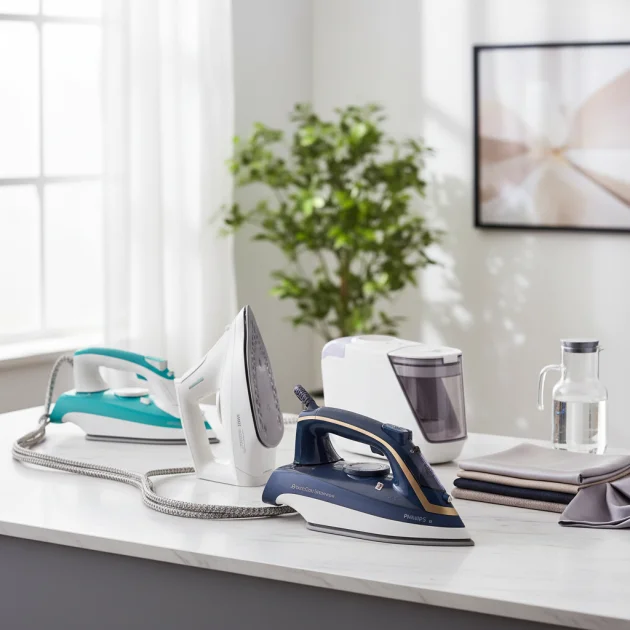
Quick comparison
| Model | Soleplate Material | Steam Output (g/min) | Key Feature for Synthetics |
|---|---|---|---|
| Philips Azur Performer GC4500 | SteamGlide Plus | 45 | OptimalTEMP Technology |
| Philips PerfectCare Elite Plus GC9600 | T-ionicGlide | 160 | No-burn guarantee |
| Philips Azur GC4900 | SteamGlide Elite | 55 | DynamiQ sensor |
What synthetics needs from a steam iron
Synthetics demand specific features from a steam iron to prevent damage. Low to medium heat settings are crucial, as high temperatures can melt or scorch fabrics like polyester, nylon, and acrylic. A steam iron designed for synthetics should offer precise temperature control, often with dedicated settings for different fabric types. Consistent, moderate steam output is also beneficial for relaxing wrinkles without oversaturating the fabric, which can lead to water spots.
The soleplate material plays a significant role. A smooth, non-stick soleplate, such as ceramic or Philips’ SteamGlide, glides effortlessly over synthetic fibers, reducing friction and the risk of snagging. Features like drip-stop systems are essential to prevent water leakage at lower temperatures, protecting delicate fabrics from stains. Lightweight designs and ergonomic handles also enhance maneuverability, allowing for gentle and precise ironing of intricate synthetic garments. Look for irons with rapid heat-up times and even heat distribution to ensure efficient and safe wrinkle removal.
Detailed reviews
Philips Azur Performer GC4500 Series
The Philips Azur Performer GC4500 series stands out for its excellent performance on synthetic fabrics. Its SteamGlide Plus soleplate ensures smooth gliding and scratch resistance, crucial for delicate materials. The iron features OptimalTEMP Technology, which automatically adjusts the temperature, eliminating the need for manual settings and preventing burns on all ironable fabrics, including synthetics. With a continuous steam output of up to 45 g/min and a 180g steam boost, it effectively tackles wrinkles without excessive heat. The drip-stop system prevents water stains, a common concern with synthetics. Its 300ml water tank allows for longer ironing sessions, and the quick calc release ensures long-lasting steam performance. This model is ideal for users seeking a balance of power and safety for their synthetic wardrobe.
Philips PerfectCare Elite Plus GC9600 Series
For those seeking ultimate protection and performance, the Philips PerfectCare Elite Plus GC9600 series is a premium choice. This steam generator iron features Philips’ T-ionicGlide soleplate, known for its superior scratch resistance and gliding capabilities, making it perfect for delicate synthetics. The standout feature is its OptimalTEMP Technology, which guarantees no burns on any ironable fabric, including silk and polyester, without requiring temperature adjustments. It delivers an impressive continuous steam output of up to 160 g/min and a powerful 600g steam boost, effortlessly removing stubborn creases. The large 1.8-liter detachable water tank allows for extended use, and the lightweight iron unit reduces arm strain. This model is an investment for those who frequently iron a variety of fabrics, especially a large volume of synthetics.
Philips Azur GC4900 Series
The Philips Azur GC4900 series offers a robust solution for ironing synthetics with its advanced features. Equipped with a SteamGlide Elite soleplate, it provides excellent gliding and durability, ensuring smooth movement over delicate fabrics. This iron incorporates DynamiQ sensor technology, which intelligently releases steam when the iron is moving and stops when it’s stationary, optimizing steam usage and preventing water drips. It offers a continuous steam output of up to 55 g/min and a powerful 250g steam boost, making quick work of wrinkles. The OptimalTEMP Technology ensures a safe temperature for all ironable fabrics, including synthetics, eliminating the risk of burns. Its 300ml water tank and quick calc release system contribute to its user-friendly design and long-term performance, making it a reliable choice for everyday synthetic garment care.
Routine fit
Integrating a Philips steam iron into your routine for synthetics simplifies garment care significantly. For daily touch-ups on blouses or shirts, a model with OptimalTEMP Technology, like the Azur Performer, allows for quick ironing without sorting fabrics. This means you can go from denim to a delicate polyester top without adjusting settings, saving time and preventing accidental damage. If you frequently iron larger batches of synthetic items, such as curtains or multiple dresses, a steam generator iron like the PerfectCare Elite Plus offers a larger water tank and continuous high steam output, reducing refill interruptions. Its lightweight iron unit also minimizes fatigue during longer sessions. For those who prioritize efficiency and smart technology, the Azur GC4900 with its DynamiQ sensor ensures steam is only used when needed, making the process more intuitive and economical. These irons fit seamlessly into any routine, providing peace of mind when caring for sensitive synthetic fabrics.
FAQs
What temperature is safe for ironing synthetic fabrics?
Most synthetic fabrics, such as polyester, nylon, and acrylic, require low to medium heat settings, typically between 110°C and 150°C (230°F and 300°F). Using a Philips iron with OptimalTEMP Technology eliminates the need to guess, as it automatically sets the safest temperature for all ironable fabrics, including synthetics, preventing scorching or melting. Always check the garment’s care label for specific instructions, but Philips’ advanced technology provides an extra layer of protection.
Can I use steam on all synthetic materials?
Yes, steam can generally be used on most synthetic materials to relax wrinkles effectively. However, it’s crucial to use moderate steam and avoid excessive moisture, which can lead to water spots on certain delicate synthetics like rayon or acetate. Philips irons with controlled steam output and drip-stop systems are ideal for this, ensuring a fine mist rather than heavy saturation. Always test on an inconspicuous area first if unsure.
How do I prevent shiny spots on synthetic fabrics?
Shiny spots on synthetic fabrics often occur from direct, high heat. To prevent this, always iron synthetics on the reverse side of the fabric. Alternatively, use a pressing cloth between the iron and the garment. Philips irons with OptimalTEMP Technology significantly reduce this risk by maintaining a consistent, safe temperature. Additionally, avoid lingering in one spot for too long and keep the iron moving to distribute heat evenly.
Is a ceramic soleplate better for synthetics?
Ceramic soleplates, or advanced coatings like Philips’ SteamGlide and T-ionicGlide, are excellent for synthetics. They provide a very smooth glide, reducing friction and preventing snagging on delicate fibers. Their even heat distribution also helps prevent hot spots that could damage synthetic materials. These soleplates are scratch-resistant and easy to clean, ensuring a consistently smooth ironing try for all fabric types, especially synthetics.
What is OptimalTEMP Technology and how does it help with synthetics?
OptimalTEMP Technology is a key feature in many Philips steam irons that allows you to iron any ironable fabric, from denim to silk and synthetics, without adjusting the temperature. It uses a combination of advanced steam chamber design and soleplate temperature control to deliver the perfect balance of heat and steam. For synthetics, this means you can iron with confidence, knowing the iron will not scorch or burn the fabric, eliminating the need for sorting clothes or worrying about incorrect settings.
Verdict
For the best Philips steam iron for synthetics, the Philips Azur Performer GC4500 series offers an exceptional balance of features and safety. Its SteamGlide Plus soleplate and OptimalTEMP Technology provide a smooth, burn-free ironing try, making it ideal for delicate synthetic fabrics. While the PerfectCare Elite Plus GC9600 is a premium choice for heavy users, the Azur Performer delivers reliable performance for everyday synthetic garment care. Choosing any of these Philips models ensures your synthetic clothes remain pristine and wrinkle-free without the risk of damage.
Frequently Asked Questions
What temperature is safe for ironing synthetic fabrics?
Most synthetic fabrics, including polyester, nylon, and acrylic, require low to medium heat settings, typically between 110u00b0C and 150u00b0C (230u00b0F and 300u00b0F). Philips irons with OptimalTEMP Technology automatically set the safest temperature for all ironable fabrics, eliminating guesswork and preventing scorching.
Can I use steam on all synthetic materials?
Yes, steam can generally be used on most synthetic materials to relax wrinkles effectively. However, it's crucial to use moderate steam and avoid excessive moisture, which can lead to water spots on delicate synthetics like rayon or acetate. Philips irons with controlled steam output and drip-stop systems are ideal for this, ensuring a fine mist.
How do I prevent shiny spots on synthetic fabrics?
Shiny spots on synthetic fabrics often occur from direct, high heat. To prevent this, always iron synthetics on the reverse side of the fabric or use a pressing cloth. Philips irons with OptimalTEMP Technology significantly reduce this risk by maintaining a consistent, safe temperature, and it's important to keep the iron moving.
Is a ceramic soleplate better for synthetics?
Ceramic soleplates, or advanced coatings like Philips' SteamGlide and T-ionicGlide, are excellent for synthetics. They provide a very smooth glide, reducing friction and preventing snagging on delicate fibers. Their even heat distribution also helps prevent hot spots that could damage synthetic materials, ensuring a consistently smooth ironing experience.
What is OptimalTEMP Technology and how does it help with synthetics?
OptimalTEMP Technology is a key feature in many Philips steam irons that allows you to iron any ironable fabric, from denim to silk and synthetics, without adjusting the temperature. It uses an advanced steam chamber design and soleplate temperature control to deliver the perfect balance of heat and steam. For synthetics, this means you can iron with confidence, knowing the iron will not scorch or burn the fabric.
Get our weekly buyer guide
Practical specs, not advice. Unsubscribe anytime.
I’m really happy with my Philips Azur GC4900. The DynamiQ sensor is a game-changer for someone like me who irons a mix of fabrics, including a lot of blends. It adjusts the steam and temperature automatically, which saves me so much time and worry about scorching. My synthetic dresses look so much better now, and I don’t have to constantly check fabric labels.
The Philips PerfectCare Elite Plus GC9600 is pretty good, and the no-burn guarantee is a nice peace of mind for my nylon athletic wear. However, I found the steam output of 160 g/min to be a bit much for some of my lighter rayon shirts, even on the lower settings. It works great for heavier synthetics, but I have to be extra careful with the more delicate stuff. Still, it gets the job done.
This Philips iron is fantastic for all my delicate synthetic garments. I used to be so worried about melting my favorite rayon tops, but the precise temperature control on the Azur Performer GC4500 series is just what I needed. It heats up quickly and maintains a consistent heat, which is crucial for these sensitive materials. My clothes look professionally pressed every time.
I finally caved and bought the Philips Azur Performer GC4500 after struggling with my old iron on my polyester blouses. The SteamGlide Plus soleplate really does make a difference; it just glides over everything without snagging. I used to dread ironing my work clothes, but now it’s so much easier and faster. Definitely recommend this model for anyone with a lot of synthetic fabrics.