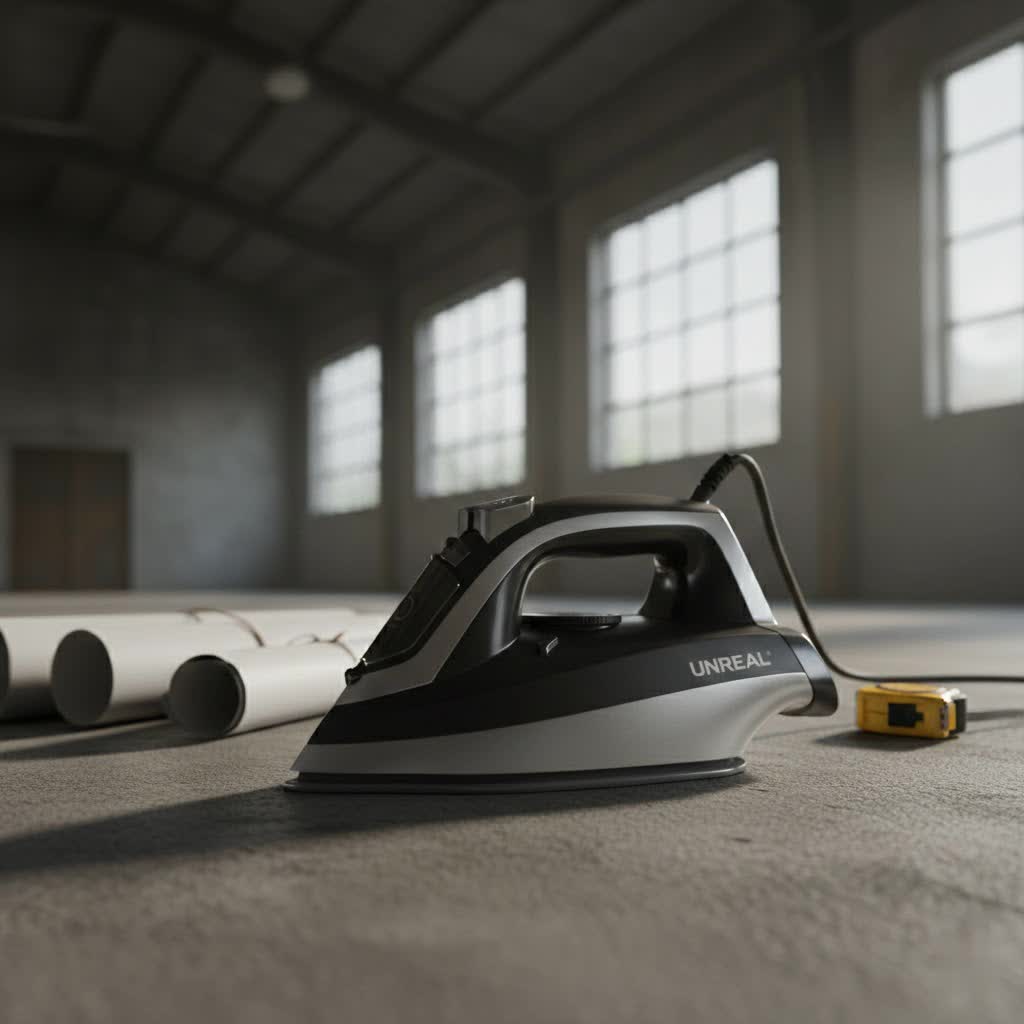
Wrestling with stubborn wrinkles and seeking that perfectly pressed finish? A quality steam iron can transform your laundry routine, and Singer, a brand synonymous with textile expertise, offers a range of steam irons designed to deliver exceptional results. Whether you’re a passionate quilter, a busy professional, or simply aiming for crisp, smooth garments, understanding the innovative features and diverse types of Singer Steam Irons can guide you to your ideal ironing companion.
Understanding Singer Steam Irons: A Perfect Blend of Innovation and Tradition
Singer has built a legacy on precision and reliability, particularly within the sewing and textile industry. This heritage extends seamlessly to their line of steam irons, which are engineered with attention to detail that appeals to both seasoned crafters and everyday users. From robust handheld models to powerful steam presses, Singer incorporates advanced steam technology to make garment care efficient and effective.
Key among their offerings are the Singer SteamCraft series, including the SteamCraft Plus, known for features tailored to precision tasks like quilting and garment construction. For those tackling larger volumes or bulky items, the Singer ESP2 Steam Press offers a compelling alternative. Additionally, Singer’s Steam Stations provide powerful, continuous steam for professional-grade results at home. Each product reflects Singer’s commitment to durability and user-friendly design, ensuring your fabrics receive the best treatment.
Key Features That Set Singer Steam Irons Apart
Singer steam irons are designed with a host of features that enhance their performance and user experience. These innovations ensure effective wrinkle removal and fabric protection.
Precision Tip Technology
|
Our Picks for the Best Steam Iron in 2026
We may earn a commission when you use one of our links to make a purchase.
|
||
| Num | Product | Action |
|---|---|---|
| 1 | Sunbeam Turbo Steam Iron 1400W Quick Heat Stainless Steel Soleplate Shot of Steam Horizontal and Vertical 3 Way Auto Off 240ml Water Tank White Teal |

|
| 2 | Hamilton Beach Steam Iron for Clothes & Garment Steamer with Smooth Press Stainless Steel Soleplate, 1200 Watts, 8’ Retractable Cord, Black (14214) |
|
| 3 | BLACK+DECKER Easy Steam Compact Iron for Clothes, Automatic Shutoff, Nonstick Plate, Light Weight, 1200 Watts |
|
| 4 | Rowenta Iron Steamer for Clothes, Focus Stainless Steel Soleplate, 400 Microsteam Holes, Powerful Steam Iron, Lightweight, Leakproof, 1725 Watts |
|
| 5 | BLACK+DECKER Steam Iron for Clothes with Retractable Cord, Vertical Steaming, Anti-Drip Design, Spray Mist and Auto Clean Button, 1200W |
|
| 6 | Rowenta Handheld Steamer for Clothes, Pure Force 2in1 Steamer & Iron, 1875W, Vertical/Horizonal Steaming & Ironing, Lightweight, Auto-off, XL power, 1875 Watts, DR8822 |
|
| 7 | Professional Garment Steamer, 2-in-1 Vertical & Handheld for Wrinkles, 6 Steam Modes, 30-Second Heat Up, 800mL Tank, Auto Shut-Off, Portable & Standing Design, White |
|
| 8 | Travel Steamer for Clothes, 1200W Handheld Garment Steamer & Iron 2-in-1, 15s Fast Heat-up Portable Steam Iron with Large Ceramic Panel, 120V Mini Ironing Machine for Home, Travel and Business |
|
| 9 | Rowenta Iron, Focus Excellence Stainless Steel Soleplate Steam Iron for Clothes, Retractable Cord, 400+ Microsteam Holes, Powerful steam, LED Display, 1750 W Ironing Clothes, Cordreel, Red DW5433 |
|
| 10 | Jack & Rose Travel Steamer for Clothes,100-220V Portable Iron,15s Heat Up,Steamer & Iron 2 In 1, Travel Size,Large Ceramic Heat Panel,for Global and Europe |
|
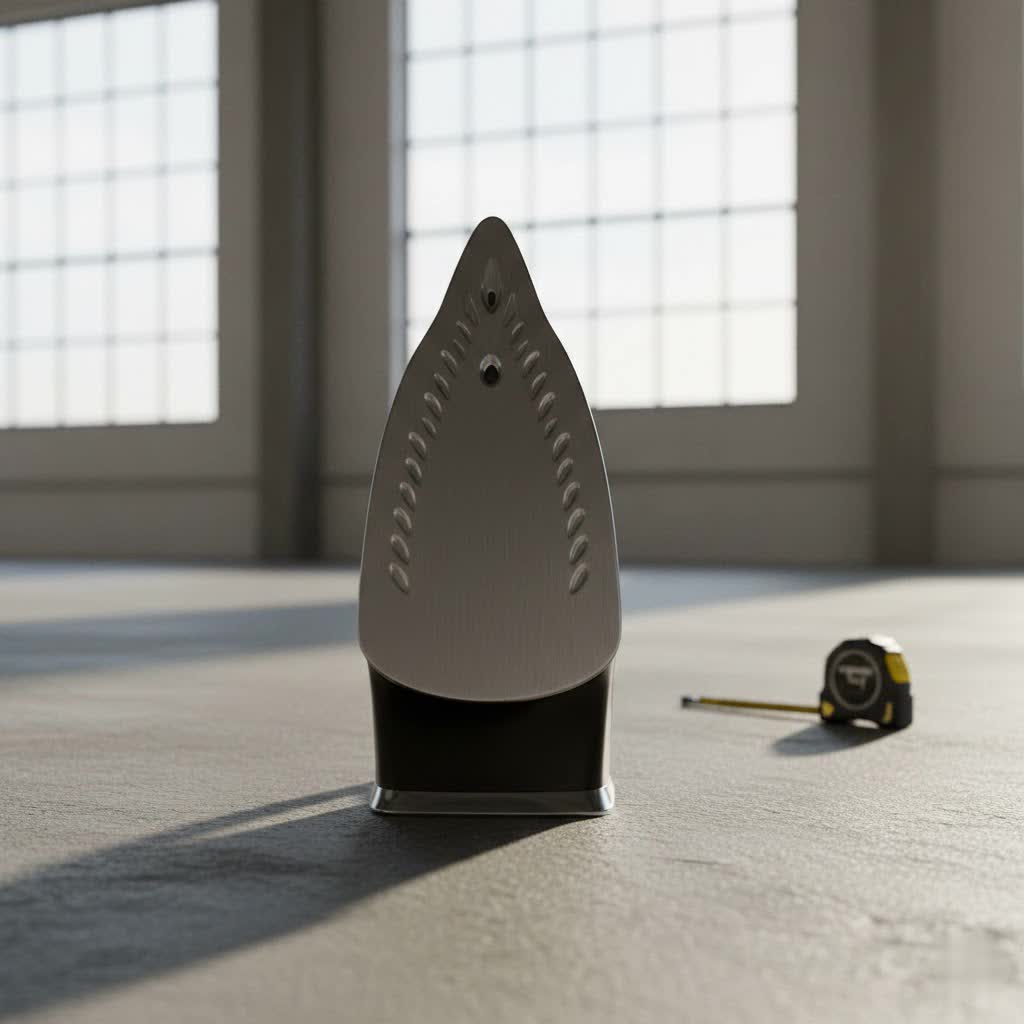
Many Singer steam irons, particularly the SteamCraft models, boast “OnPoint™ tip technology.” This patented design allows for unparalleled precision, enabling users to easily navigate around buttons, seams, and pleats, achieving a crisp finish even in hard-to-reach areas. This feature is especially appreciated by quilters and sewers who demand meticulous detail.
Rapid Heat-up and Powerful Steam Output
Time is valuable, and Singer irons are engineered for quick heating. Once at temperature, they deliver a consistent and powerful steam output, making quick work of stubborn creases. Many models also feature a powerful steam burst function to tackle particularly tough wrinkles or to refresh hanging garments. Users often note the absence of bothersome “spitting,” ensuring clean, pristine results without water marks.
Enhanced Safety and Convenience
Safety is paramount, and Singer incorporates features like a 30-minute vertical auto-off function on models like the SteamCraft. This keeps the iron ready during extended projects but provides peace of mind by automatically shutting off after a period of inactivity in the upright position. A generous water capacity, often around 300ml for handheld irons or a large 1-liter tank for steam stations, reduces the frequency of refills, allowing for longer, uninterrupted ironing sessions.
Durable Soleplates and Anti-Calc Systems
Singer irons typically feature durable soleplates, such as high-quality stainless steel or smooth ceramic. Stainless steel is known for its durability and scratch resistance, while ceramic offers an incredibly smooth glide and even heat distribution. To combat mineral buildup from tap water, many Singer steam irons include internal anti-calcium filters and self-cleaning functions. Regular use of the self-clean feature, even with tap water, helps maintain performance and extend the iron’s lifespan.
Ergonomic Design and Maneuverability
A comfortable ironing experience is crucial. Singer irons often feature ergonomic designs, including soft-grip handles and a 360-degree swivel cord. The swivel cord prevents tangling and allows for greater freedom of movement, contributing to the longevity of the cord itself.
Types of Singer Steam Irons: Finding Your Ideal Match
Singer offers several types of steam irons, each catering to different needs and ironing volumes.
Handheld Steam Irons (e.g., Singer SteamCraft Series)
These are the most common type, ideal for everyday ironing and detailed tasks.
- Pros: Compact, lightweight, easy to store, versatile for various fabrics, excellent for detailed work in sewing and quilting with precision tips. They often heat up quickly and provide powerful steam bursts.
- Cons: Smaller water tanks require more frequent refilling during large ironing sessions compared to steam generators.
Steam Presses (e.g., Singer ESP2 Steam Press)
A stationary appliance designed for speed and efficiency, particularly for large, flat items.
- Pros: Significantly faster for pressing large quantities of laundry like bed linens, tablecloths, and garments. Reduces physical effort as you can often operate them while seated. Delivers intense pressure for crisp results.
- Cons: Bulky, expensive, and requires dedicated storage space. Not suitable for intricate detailing or small items. Often requires a separate stand.
Steam Stations
These units combine a powerful steam generator base with a lightweight iron, offering continuous, high-pressure steam.
- Pros: Produce significantly more steam than traditional handheld irons, making light work of heavy creases and large loads. Large water tanks (e.g., 1L) mean extended ironing without refills. Excellent for vertical steaming. Often feature professional-grade ceramic soleplates.
- Cons: More expensive and bulkier than handheld irons, requiring more storage space. Can be noisier during operation.
Comparison Table: Singer Steam Iron Models at a Glance
| Feature/Model | Singer SteamCraft Iron (Handheld) | Singer ESP2 Steam Press | Singer Steam Station |
|---|---|---|---|
| Type | Handheld Steam Iron | Garment Press | Steam Generator Iron |
| Key Feature 1 | OnPoint™ Precision Tip | Rapid, Flat Pressing | Powerful 4 Bar Steam Pressure |
| Key Feature 2 | 30-min Vertical Auto-Off | Large Ironing Surface | 1L Removable Water Tank |
| Soleplate | Stainless Steel | Non-stick/Coated | Ceramic |
| Water Capacity | ~300ml | Internal (replenished) | 1L |
| Ideal Use Case | Daily ironing, quilting, sewing, detailed garments | Large loads, linens, professional finish | Fast crease removal, heavy fabrics, vertical steaming |
| Portability | High | Low | Medium (base + iron) |
| Price Range | Mid-range | Higher | Higher |
Choosing Your Singer Steam Iron: A Comprehensive Buying Guide
Selecting the right Singer steam iron depends on your specific needs and ironing habits. Consider these factors to make an informed decision:
- Assess Your Ironing Needs: How often do you iron? What types of fabrics do you typically handle? If you sew or quilt frequently, a precision tip is invaluable. For large family loads or professional garments, a steam press or steam station might be more efficient.
- Consider Power and Performance:
- Wattage: Higher wattage (e.g., 2400W for models like SIS277CU) generally means faster heat-up times.
- Steam Output: Measured in grams per minute (g/min), a higher continuous steam output and a strong steam shot are crucial for tackling stubborn wrinkles effectively.
- Bar Pressure: For steam generator irons, a higher bar pressure (e.g., 4 bar) indicates more powerful steam penetration.
- Soleplate Material: Choose between durable stainless steel for its scratch resistance and quick heating, or ceramic for its ultra-smooth glide and even heat distribution. Both are excellent choices found on Singer models.
- Water Tank Capacity: A larger water tank means fewer interruptions for refills, which is especially beneficial for tackling extensive ironing piles.
- Safety Features: Look for essential safety elements like automatic shut-off and anti-drip systems that prevent water stains on your fabrics.
- Ergonomics and Cord Length: A comfortable handle, a lightweight design (if you prefer less effort), and a long, swivel cord (often 12 feet on Singer models) can significantly improve the user experience.
- Budget: Singer offers options across various price points, so determine what features are most critical within your budget.
Top Singer Steam Irons: Detailed Insights
Singer provides reliable options for different ironing demands.
Singer SteamCraft Irons
The Singer SteamCraft and SteamCraft Plus models are highly regarded, especially by the crafting community. Their standout feature is the OnPoint™ precision tip, which excels at maneuvering around intricate details, making them a favorite for quilters and sewers. Users praise their quick heat-up, powerful steam that doesn’t spit, and the convenient 30-minute auto-off feature that allows for seamless transitions during long projects. They also often feature a large 300ml water tank and a durable stainless steel soleplate, offering a balanced combination of performance and user-friendly design. While some users find them to be on the heavier side, their effectiveness in wrinkle removal and precision is consistently highlighted.
Singer ESP2 Steam Press
The Singer ESP2 Steam Press is a game-changer for individuals with substantial ironing loads or those who struggle with traditional ironing due. Reviews consistently highlight its ability to drastically cut down ironing time, pressing large items like sheets and clothing effortlessly. Its ease of use, even while sitting, is a significant advantage for those with physical limitations. While its initial cost and bulkiness are considerations, many users find the investment worthwhile for the speed and professional finish it provides, often recommending a dedicated stand for optimal use.
Maximizing Life and Performance: Essential Singer Steam Iron Care Tips
Proper care ensures your Singer steam iron remains a reliable tool for years.
- Use Distilled Water: To prevent mineral buildup and extend the life of your iron, always use distilled water. If using tap water, ensure your iron has an anti-calc filter and use the self-cleaning function regularly.
- Empty the Water Reservoir: After each use, empty any remaining water from the tank. This prevents stagnant water from causing mold or mildew and reduces mineral deposit formation.
- Clean the Soleplate: Keep the soleplate pristine by wiping it with a damp, soft cloth once it has cooled. Avoid abrasive cleaners, metal pads, or harsh chemicals that can damage the surface. A paste of baking soda and water can gently remove stubborn residue.
- Descale Regularly: If your iron has an anti-calc valve, remove and soak it in white vinegar or lemon juice periodically to dissolve mineral deposits. For internal cleaning, fill the reservoir with a water-vinegar solution (e.g., 1/4 cup vinegar to 3/4 cup distilled water) and run the steam function over an old towel until the tank is empty, then flush with clean water.
- Proper Storage: Store your iron upright, on its heel rest or base, in a dry, ventilated area. Ensure the cord is neatly wrapped without excessive tension.
- Handle with Care: Avoid dropping the iron or striking it against hard surfaces, which can damage the soleplate or internal components.
Conclusion
A Singer steam iron is more than just an appliance; it’s an investment in pristine garment care. With their legacy of quality and innovation, Singer offers a range of options, from the precision-focused SteamCraft handheld irons to the powerful, time-saving ESP2 Steam Press and efficient Steam Stations. By understanding the distinct features and benefits of each type and following simple maintenance guidelines, you can select the perfect Singer steam iron to keep your clothes looking impeccable. Say goodbye to wrinkles and hello to effortless, professional results that reflect Singer’s enduring commitment to excellence.
Câu Hỏi Thường Gặp
Is the Singer SteamCraft iron suitable for quilting?
Yes, the Singer SteamCraft iron is highly suitable for quilting, thanks to its “OnPoint™ precision tip technology” which allows for precise ironing around seams and small fabric pieces. Its fast heat-up and efficient steam output also contribute to a smoother and quicker quilting process.
How do I descale my Singer steam iron?
To descale most Singer steam irons, ensure the iron is cool and empty the water reservoir. Fill the reservoir with a mixture of equal parts distilled water and white vinegar. Set the iron to a medium-high temperature and run the steam function over an old towel until the reservoir is empty. Finish by flushing with clean distilled water to remove any remaining vinegar.
Can I use tap water in my Singer steam iron?
Many Singer steam irons, particularly the SteamLogic series, are designed to be tap water safe due to internal anti-calcium filters. However, it is always recommended to use distilled water to prevent mineral buildup over time. If using tap water, make sure to utilize the iron’s self-cleaning function regularly to flush out any sediments or minerals.
What is the advantage of a Singer Steam Press over a traditional iron?
A Singer Steam Press, like the ESP2, offers significant advantages in speed and ease, especially for large volumes of laundry or bulky items. It uses intense pressure and dual heated plates to flatten garments quickly and effectively, often reducing ironing time by a substantial margin and allowing you to iron while sitting, which can be beneficial for those with back problems.
How often should I clean the soleplate of my Singer iron?
You should clean the soleplate of your Singer iron regularly, ideally after every few uses or whenever you notice any residue or stickiness. A quick wipe with a damp, soft cloth when the iron is cool is usually sufficient. For stubborn stains, a gentle paste of baking soda and water can be used, followed by wiping clean.