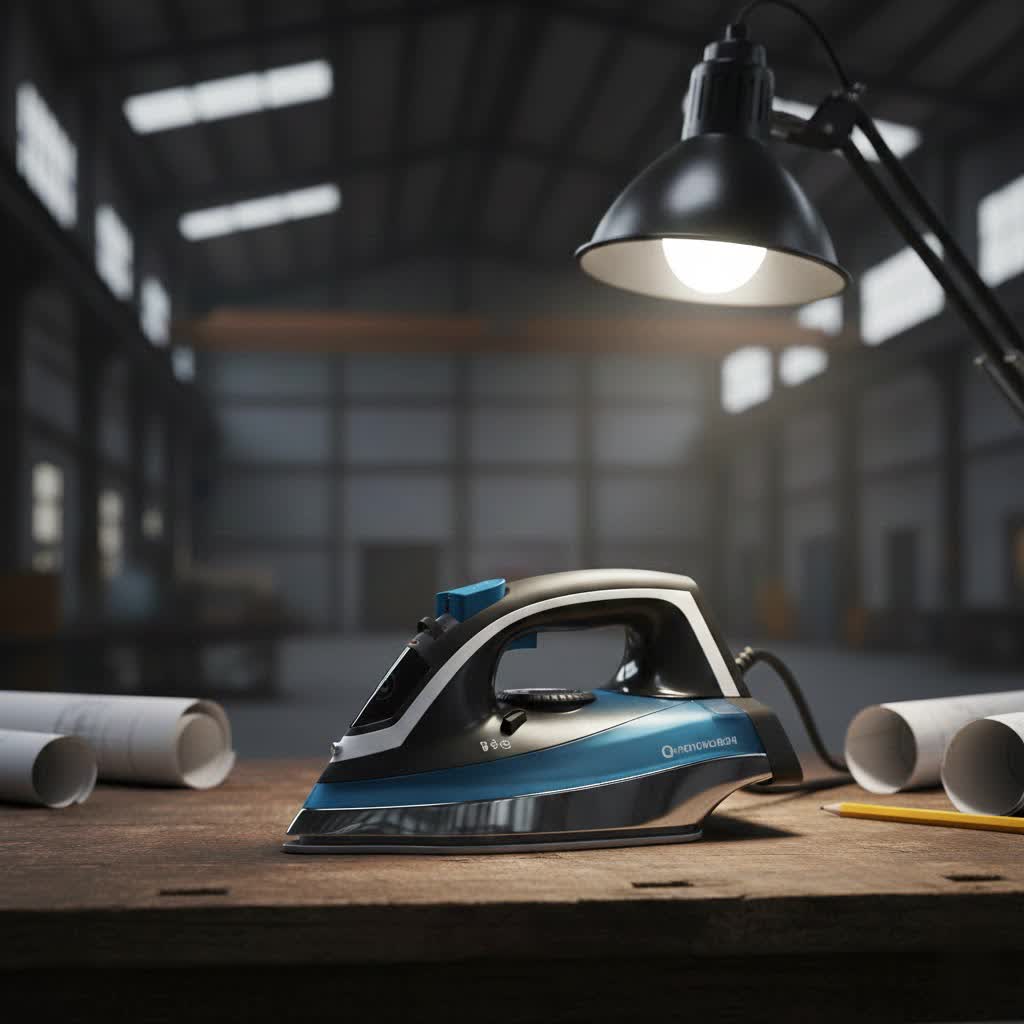
Are you tired of battling stubborn wrinkles with an underperforming iron? For those who demand perfection in garment care, a professional steam iron is not just a luxury but a necessity. Whether you’re a seasoned seamstress, a tailor, or simply someone who prides themselves on impeccably pressed clothes, upgrading to a high-quality steam iron can transform your ironing routine from a chore into a satisfying experience. These advanced appliances are engineered for power, precision, and efficiency, making quick work of even the most challenging fabrics.
Types of Professional Steam Irons
The world of steam irons extends far beyond the basic model found in most homes. Professional-grade irons come in several distinct types, each designed to meet specific needs and provide superior results. Understanding these variations is the first step in selecting the perfect tool for your pressing tasks.
Handheld Steam Irons
Traditional handheld steam irons are the most common type, integrating a water tank and heating element into a single, compact unit. Modern professional models boast enhanced steam output and advanced soleplate technologies.
- Pros: Portable, relatively affordable, easy to store, suitable for everyday ironing tasks.
- Cons: Smaller water tanks often require frequent refills, steam output may be less powerful than generator systems for heavy-duty fabrics.
- Best for: General household use, quick touch-ups, and users who prefer a familiar, all-in-one design.
Steam Generator Irons
These systems feature a separate, larger water boiler unit connected to a lightweight iron via a steam hose. The external boiler generates a continuous, high-pressure flow of steam, which is then delivered to the iron’s soleplate.
- Pros: Exceptional, consistent, high-volume steam output, significantly reduces ironing time, iron head is lighter for extended use, large water tanks mean fewer refills.
- Cons: More expensive, require more storage space for the separate boiler unit, less portable.
- Best for: Large volumes of ironing, heavy fabrics like denim and linen, professional settings where continuous, powerful steam is essential.
Gravity Feed Irons
Primarily found in professional tailoring shops and ateliers, gravity feed irons utilize a large external water tank suspended above the ironing surface. Water flows by gravity to the iron, producing massive amounts of steam.
- Pros: Extremely durable and built for continuous use, provide consistent, powerful steam without auto-shutoff interruptions, very large water capacity.
- Cons: Quite heavy (the iron head itself), require a dedicated setup with a suspended water tank, not ideal for casual home use.
- Best for: Dedicated sewing enthusiasts, tailors, and small businesses needing industrial-grade performance and durability.
Cordless Steam Irons
|
Our Picks for the Best Steam Iron in 2026
As an Amazon Associate I earn from qualifying purchases.
|
||
| Num | Product | Action |
|---|---|---|
| 1 | Rowenta Handheld Steamer for Clothes, Pure Force 2in1 Steamer & Iron, 1875W, Vertical/Horizonal Steaming & Ironing, Lightweight, Auto-off, XL power, 1875 Watts, DR8822 |

|
| 2 | BLACK+DECKER Steam Iron for Clothes with Retractable Cord, Vertical Steaming, Anti-Drip Design, Spray Mist and Auto Clean Button, 1200W |
|
| 3 | Professional Garment Steamer, 2-in-1 Vertical & Handheld for Wrinkles, 6 Steam Modes, 30-Second Heat Up, 800mL Tank, Auto Shut-Off, Portable & Standing Design, White |
|
| 4 | Jack & Rose Travel Steamer for Clothes,100-220V Portable Iron,15s Heat Up,Steamer & Iron 2 In 1, Travel Size,Large Ceramic Heat Panel,for Global and Europe |
|
| 5 | Rowenta Iron Steamer for Clothes, Focus Stainless Steel Soleplate, 400 Microsteam Holes, Powerful Steam Iron, Lightweight, Leakproof, 1725 Watts |
|
| 6 | Travel Steamer for Clothes, 1200W Handheld Garment Steamer & Iron 2-in-1, 15s Fast Heat-up Portable Steam Iron with Large Ceramic Panel, 120V Mini Ironing Machine for Home, Travel and Business |
|
| 7 | Hamilton Beach Steam Iron for Clothes & Garment Steamer with Smooth Press Stainless Steel Soleplate, 1200 Watts, 8’ Retractable Cord, Black (14214) |
|
| 8 | Rowenta Iron, Focus Excellence Stainless Steel Soleplate Steam Iron for Clothes, Retractable Cord, 400+ Microsteam Holes, Powerful steam, LED Display, 1750 W Ironing Clothes, Cordreel, Red DW5433 |
|
| 9 | BLACK+DECKER Easy Steam Compact Iron for Clothes, Automatic Shutoff, Nonstick Plate, Light Weight, 1200 Watts |
|
| 10 | Sunbeam Turbo Steam Iron 1400W Quick Heat Stainless Steel Soleplate Shot of Steam Horizontal and Vertical 3 Way Auto Off 240ml Water Tank White Teal |
|
Offering ultimate freedom of movement, cordless steam irons heat up on a charging base and can be used without a power cord for short bursts. They are then returned to the base to reheat.
- Pros: Unrestricted maneuverability, lightweight, excellent for intricate detailing without cord interference.
- Cons: Require frequent re-docking to maintain optimal temperature, less efficient for very large ironing loads, steam output can be lower than corded counterparts.
- Best for: Quilters, crafters, and individuals prioritizing flexibility and precision for smaller projects.
Steam Press Irons
A steam press is a large, flat pressing machine that clamps down to press and steam large sections of fabric. It resembles a miniature dry cleaner’s press.
- Pros: Ideal for quickly pressing large items like sheets, tablecloths, or yardage of fabric, excellent for applying interfacing or shrinking wool.
- Cons: Requires significant storage space, typically a larger investment, not suitable for detailed garment shaping.
- Best for: Businesses or individuals regularly handling large, flat textile items.
Pros and Cons of Each Type
Understanding the specific benefits and drawbacks of each iron type helps align your choice with your particular ironing habits and needs.
Handheld Steam Irons
- Advantages:
- Portability: Easy to move around and store.
- Convenience: All-in-one design, straightforward to use.
- Cost-Effective: Generally the most affordable professional option.
- Disadvantages:
- Limited Capacity: Smaller water tanks require more frequent refills.
- Varied Steam Output: May not generate enough continuous steam for very heavy or stubborn fabrics compared to generator systems.
Steam Generator Irons
- Advantages:
- Superior Steam Power: Delivers continuous, high-pressure steam for rapid, deep wrinkle removal.
- Faster Ironing: Cuts ironing time significantly, especially for large loads.
- Lighter Iron: The iron itself is lighter to handle, reducing fatigue during long sessions.
- Large Water Tank: Extended ironing sessions without frequent refilling.
- Disadvantages:
- Higher Cost: A significant upfront investment.
- Space Requirement: Requires more storage and counter space due to the separate boiler unit.
- Less Portable: Not designed for quick, on-the-go ironing.
Gravity Feed Irons
- Advantages:
- Industrial Durability: Built to withstand heavy, continuous professional use.
- Massive Steam Volume: Provides incredibly powerful and consistent steam.
- No Auto-Shutoff: Preferred by some professionals who need uninterrupted heat.
- Large Water Capacity: The external tank holds a substantial amount of water.
- Disadvantages:
- Very Heavy: The iron head can be fatiguing for users with wrist issues.
- Complex Setup: Requires a suspended water tank and a sturdy workstation.
- Maintenance: May require specialized repairs, which can be costly.
Cordless Steam Irons
- Advantages:
- Unrivaled Maneuverability: No cord to snag or restrict movement, perfect for intricate work.
- Lightweight: Easy to handle and glide over fabrics.
- Disadvantages:
- Intermittent Heat: Requires frequent re-docking to maintain ironing temperature, slowing down large jobs.
- Lower Steam Output: Often have less powerful steam compared to corded or generator models.
- Battery Life/Recharge Time: Can be a consideration for continuous use.
Steam Press Irons
- Advantages:
- Efficiency for Large Items: Quickly presses big pieces of fabric with minimal effort.
- Powerful Pressing: Excellent for achieving crisp creases and flat finishes.
- Specialized Tasks: Ideal for applying interfacing, shrinking fabrics, or heavy duty pressing.
- Disadvantages:
- Bulky: Requires significant dedicated space.
- Lack of Versatility: Not suitable for shaped garments, intricate details, or vertical steaming.
- High Initial Cost: Can be a substantial investment.
Comparison Table of Steam Iron Types
| Feature | Handheld Steam Iron | Steam Generator Iron | Gravity Feed Iron | Cordless Steam Iron | Steam Press Iron |
|---|---|---|---|---|---|
| Size/Portability | Compact, high portability | Bulky, low portability | Stationary, low portability | Very compact, high portability | Very bulky, stationary |
| Steam Output | Moderate to High | Very High, Continuous | Very High, Continuous | Moderate to Low | Very High, Pressurized |
| Water Capacity | Small (5-10 oz) | Large (35-50+ oz) | Very Large (100+ oz) | Small (5-10 oz) | Large (external or built-in) |
| Cost | $50 – $200 | $200 – $800+ | $200 – $500+ | $80 – $200 | $250 – $1000+ |
| Best Use | Everyday, quick jobs | Large loads, heavy fabrics | Tailoring, continuous use | Detail work, small jobs | Large flat items, interfacing |
How to Choose the Right Professional Steam Iron
Selecting the best professional steam iron for your needs involves considering several key factors beyond just the type of iron. Your specific requirements, the fabrics you work with, and your budget will all play a role in making the optimal choice.
1. Define Your Usage Needs
- Volume: How much ironing do you do? Daily large loads will benefit from a steam generator or gravity feed iron, while occasional small loads suit a handheld or cordless model.
- Fabric Types: Do you primarily iron delicate silks, sturdy cottons, or tough denim? Irons with precise temperature control and powerful, consistent steam are crucial for varied fabric care.
- Specific Tasks: If you frequently iron collared shirts with many buttons, a precision tip and excellent detailing capability are key. For large flat items, a steam press might be ideal.
2. Prioritize Key Features
- Steam Output: Look for continuous steam flow (measured in grams per minute, g/min) and a powerful steam shot or burst (g). For heavy fabrics, aim for at least 30g/min continuous steam and a strong burst over 150g/min. High steam output relaxes fabric fibers more effectively, smoothing wrinkles faster.
- Wattage: A higher wattage (e.g., 1700-1850 watts) generally indicates faster heat-up times and more consistent heat delivery, crucial for tackling stubborn creases efficiently.
- Soleplate Material:
- Ceramic soleplates offer a smooth glide and even heat distribution, preventing snagging on delicate fabrics.
- Stainless steel soleplates are durable, rust-resistant, and also provide a good glide.
- Non-stick soleplates are gentle on delicate materials but may not last as long.
- Temperature Control: Precise and easily adjustable temperature settings are vital for safely ironing different fabric types. Some advanced irons feature automatic temperature adjustment technology.
- Water Tank Capacity: A larger water tank (10+ oz for handhelds, much larger for generators) means less frequent refilling, allowing for longer, uninterrupted ironing sessions.
- Safety Features:
- Auto-shutoff is a common and important safety feature, especially for home users, turning off the iron after a period of inactivity.
- Anti-drip systems prevent water leakage and spotting on garments.
- Anti-calc or self-cleaning systems help prevent mineral buildup, prolonging the iron’s life and ensuring clean steam output.
- Maneuverability and Ergonomics: Consider the iron’s weight, handle comfort, and cord design. A longer cord (8+ feet) or a retractable cord improves ease of use. Cordless irons offer the best maneuverability for detailed work. A precision tip on the soleplate is invaluable for reaching tight spots around buttons and seams.
3. Read Reviews and Trust Experts
Consult professional reviews and user feedback from reputable sources. Pay attention to how irons perform on various fabrics, their durability, and any common complaints about leaking or inconsistent steam. Experts often highlight subtle differences in performance that can significantly impact your ironing experience.
Top Professional Steam Irons Recommended Today
Based on extensive testing and user feedback, several models consistently stand out for their exceptional performance, durability, and features that cater to professional demands.
1. CHI Lava 13113 Steam Iron
Often lauded as a premium choice, the CHI Lava 13113 excels with its rapid heat-up and exceptionally smooth ceramic soleplate. It glides effortlessly across all fabric types, including notoriously difficult polyester, and its 401 steam holes ensure even distribution of its powerful 127g steam output. Its tapered nose is perfect for detailed work, making it a favorite for intricate garment care. While on the pricier side, its performance justifies the investment for those seeking top-tier results.
2. Hamilton Beach Durathon 19803 Steam Iron
An excellent all-rounder and a top value pick, the Hamilton Beach Durathon 19803 offers impressive steam output (196g) that rivals more expensive models. It performs very well on cotton, linen, satin, and silk, delivering effective wrinkle removal with minimal passes. Though slightly bulkier, its affordability and strong performance make it a superb choice for frequent home use, especially for users who value powerful steam.
3. Rowenta Pro Master Xcel DW8360U1
For those whose ironing tasks involve a lot of intricate detailing, the Rowenta Pro Master Xcel DW8360U1 is a standout. Its precisely tapered soleplate nose is expertly designed to navigate around buttons, collars, pleats, and seams with ease. With 550 steam holes and 1775W of power, it handles a variety of fabrics efficiently, making it a robust and reliable option for detailed garment finishing.
4. Black+Decker D3030 Allure Steam Iron
If delicate fabrics like silk and satin are a regular part of your ironing routine, the Black+Decker D3030 Allure is highly recommended. It smooths these sensitive materials effectively with minimal passes, thanks to its even heating and powerful spray feature. Its lightweight design and narrow tip also contribute to precise handling, making it a budget-friendly option for specialized care.
5. Panasonic Cordless Advanced Ceramic Steam Iron
For maximum maneuverability and convenience, especially for quilters or those with smaller, detailed projects, the Panasonic Cordless Advanced Ceramic stands out. This lightweight (2.1 lbs) iron offers cordless operation from its charging dock, allowing for freedom of movement. Its dual tapered ends enhance precision, though its lower steam output and need for frequent re-docking make it less ideal for large, continuous ironing sessions.
Professional-Grade Systems: Reliable Velocity and Steam Generators
For truly professional or industrial needs, brands like Reliable offer high-performance solutions. The Reliable Velocity handheld irons (e.g., 270IR, 240IR) are known for their heavy-duty construction, strong steam production, and the crucial feature of a “shut-off override,” meaning they won’t automatically turn off during long pressing sessions—a key requirement for many professional sewers.
Even more robust are Reliable Steam Generator Irons (e.g., 3000is, 4000is). These high-investment systems provide continuous, enormous volumes of steam, making them game-changers for tackling extensively wrinkled fabrics or large quantities of garments in a studio or commercial setting. The iron head remains light, connected to a large external water tank, offering tireless performance.
Using and Maintaining Your Professional Steam Iron
To maximize the performance and longevity of your professional steam iron, proper usage and maintenance are essential.
Smart Usage Tips
- Water Quality Matters: Always use filtered or distilled water in your steam iron. Tap water, especially hard water, contains minerals that can build up inside the iron, leading to clogs, spitting, and reduced steam output over time.
- Match Temperature to Fabric: Refer to your garment’s care label for recommended ironing temperatures. Start with lower temperatures for delicate fabrics like silk and synthetics, gradually increasing for cotton and linen.
- Prepare Your Garments: Ensure clothes are slightly damp for best results. This allows the heat and steam to penetrate fibers more effectively.
- Use Proper Technique: Apply gentle tension to the fabric as you iron. Move the iron smoothly and continuously across the material in long, even strokes. Utilize the steam burst for stubborn creases and the precision tip for intricate areas like collars, cuffs, and around buttons.
- Vertical Steaming: Many professional steam irons offer a vertical steam function, useful for refreshing hanging garments, drapes, or delicate items that shouldn’t be touched directly by the soleplate.
Essential Maintenance Practices
- Regular Cleaning: Over time, starch, fabric sizing, or synthetic residues can build up on the soleplate. Clean it regularly with a specialized soleplate cleaner or a paste of baking soda and water (always ensure the iron is cold and unplugged).
- Empty Water Tank: After each use, always empty any remaining water from the tank to prevent mineral buildup and leaks.
- Descale (if applicable): If your iron has an anti-calc or self-cleaning feature, use it according to the manufacturer’s instructions to remove mineral deposits. For gravity feed irons, use demineralizer beads in the tank.
- Proper Storage: Store your iron upright (unless it’s a steam generator iron designed to lie flat on a heat-proof mat) in a dry place. Wrap cords neatly or use the retractable cord feature to prevent damage.
- Check for Wear: Periodically inspect the soleplate for scratches or damage and the cord for fraying. Addressing minor issues can prevent larger problems.
“A truly professional iron isn’t just about heat; it’s about the relentless power and consistency of its steam output, which is the secret to effortlessly crisp results every time.” – Admin, ReviewChunjae.com, Steam Iron Specialist
Conclusion
Choosing the best professional steam iron is an investment in pristine presentation and ironing efficiency. From the agile handhelds like the CHI Lava 13113 to the powerhouse steam generator systems, the right iron can dramatically reduce the effort and time spent on garment care. By considering factors like steam output, wattage, soleplate material, and ergonomic design, you can find a tool that not only meets but exceeds your expectations. Embrace the power of professional steaming, and enjoy the confidence that comes with perfectly pressed clothes.
What features do you value most in your steam iron, and how has a professional model transformed your daily routine?
Frequently Asked Questions
What makes a steam iron “professional” compared to a regular one?
Professional steam irons typically feature higher wattage for faster heat, superior continuous steam output and powerful steam bursts, durable soleplate materials, larger water tanks for extended use, and advanced controls for precise fabric care. They are designed for more frequent and demanding use, delivering consistently flawless results.
Is a steam generator iron better than a regular steam iron?
For large volumes of ironing, heavy fabrics, or if you seek significantly faster and more consistent wrinkle removal, a steam generator iron is generally superior. Its separate boiler produces more continuous, high-pressure steam, making the ironing process quicker and more effective.
How often should I descale my steam iron?
The frequency of descaling depends on your iron’s usage and the hardness of your tap water. If you use filtered or distilled water, descaling will be less frequent. However, if you notice reduced steam output, spitting, or white residue, it’s a good indication that your iron needs descaling. Always follow your manufacturer’s instructions.
Can I use essential oils in my steam iron for fragrance?
No, it is strongly advised not to use essential oils or any scented additives in your steam iron. These can clog the internal mechanisms, corrode components, or leave stains and residue on your clothing. If you wish to add fragrance, consider a fabric spray after ironing.
Get our weekly buyer guide
Practical specs, not advice. Unsubscribe anytime.
