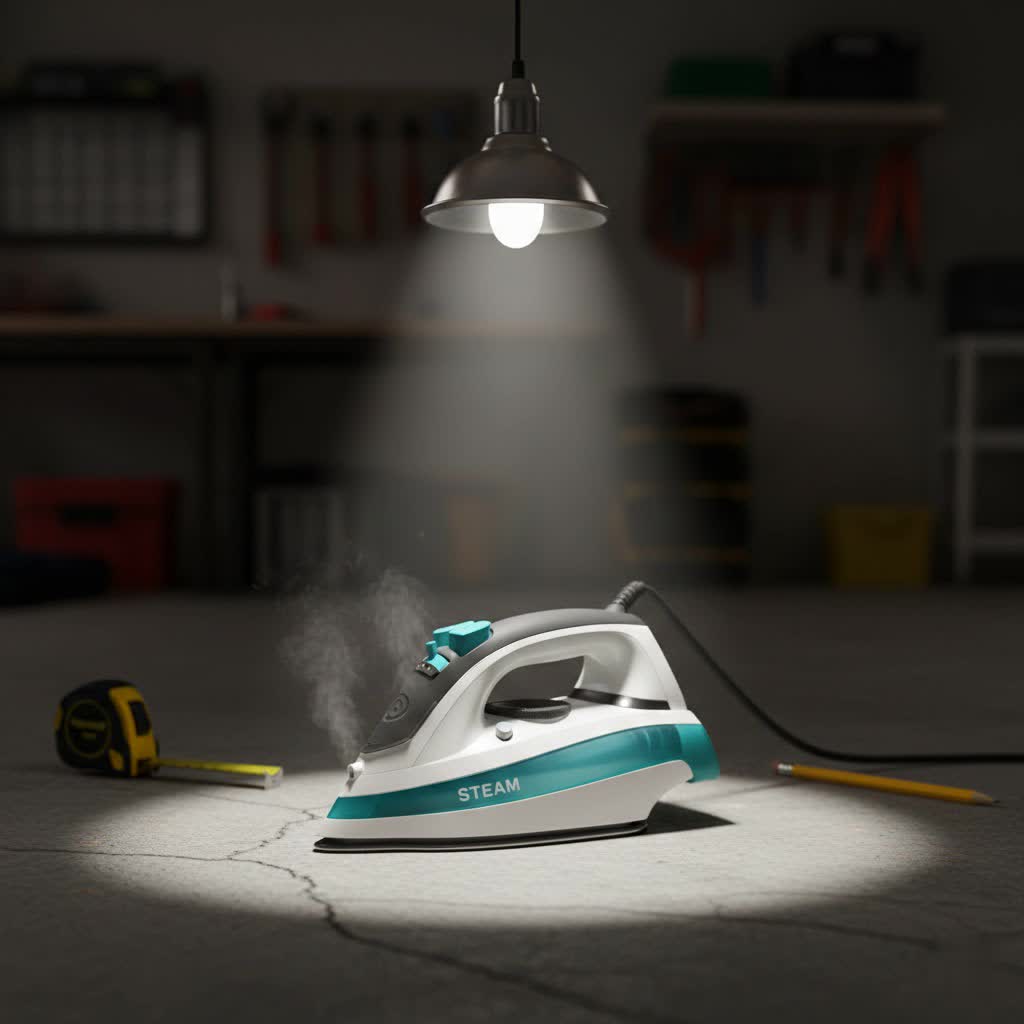
For any quilter, the journey from raw fabric to a finished masterpiece is paved with precision. While cutting and sewing often take center stage, the unsung hero in achieving crisp lines and flawless blocks is undoubtedly the steam iron. A high-quality steam iron isn’t just a household appliance; it’s an indispensable tool that dramatically elevates the quality of your quilting projects, ensuring every seam lies perfectly flat and every fabric piece is impeccably prepared. Investing in the right steam iron can transform frustrating puckers and uneven edges into smooth, professional finishes, making your quilting process both more enjoyable and more accurate.
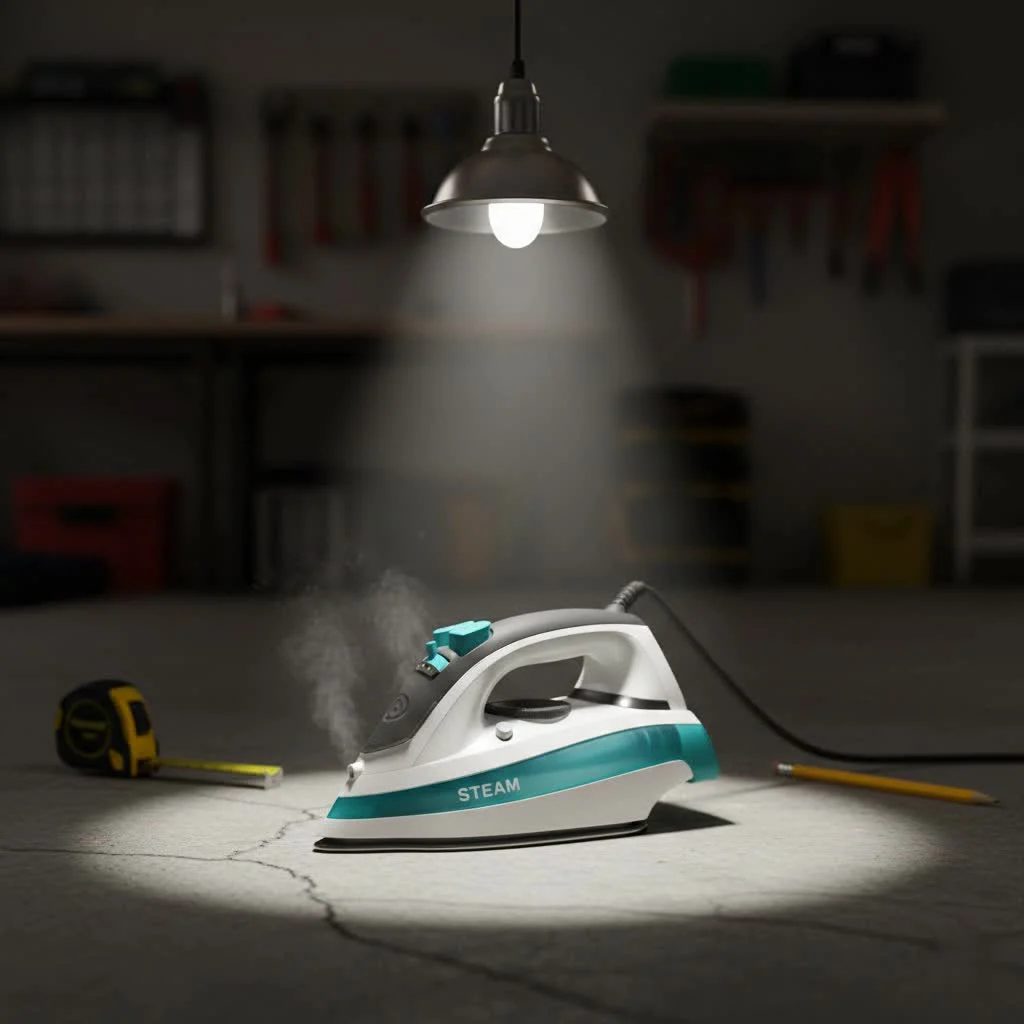
Why a Dedicated Steam Iron is a Quilter’s Best Friend
In quilting, the phrase “press as you go” is a mantra for a reason. Proper pressing ensures that seams are set accurately, reducing bulk and preventing distortion, which is critical for precise block construction. Unlike ironing, which involves sliding the iron back and forth, pressing means lifting and placing the iron down, crucial for maintaining fabric integrity and preventing stretching. A powerful steam iron with consistent heat and steam output can make this task significantly easier, effortlessly smoothing out wrinkles and crisping up seams. It’s about creating a stable foundation for your stitches and a flat surface for your next cuts, ultimately leading to a more professional-looking finished quilt. For shop curated home on this site.
Unraveling the Types of Quilting Irons
The world of steam irons offers a variety of options, each with unique advantages for quilters. Understanding these types can help you choose the best fit for your specific needs and workspace.
Standard Steam Irons
These are the most common irons, versatile enough for both general household use and quilting. They come in various wattages and offer decent steam output, making them a good starting point for many quilters. Many popular models are excellent all-rounders.
Mini and Travel Steam Irons
Compact and lightweight, mini irons are perfect for small, intricate projects like paper piecing, appliqué, or for pressing seams at your sewing machine without needing a full-sized ironing board. They are also ideal for taking to quilting retreats or classes. However, some mini irons may lack auto-shutoff features, requiring extra caution.
Cordless Steam Irons
Offering freedom of movement, cordless irons eliminate the hassle of a trailing cord, making them highly maneuverable around your quilting projects. They typically rest on a charging base and are convenient for quick presses.
Steam Generator Irons (Ironing Stations)
For serious quilters or those working with large volumes of fabric, a steam generator iron offers superior steam power and a larger water tank, reducing the need for frequent refills. These systems feature a separate water tank connected to a lighter iron, providing a continuous, powerful burst of steam capable of tackling stubborn wrinkles and heavy fabrics with ease.
Steam vs. Dry Ironing for Quilting: The Debate
|
Our Picks for the Best Steam Iron in 2026
As an Amazon Associate I earn from qualifying purchases.
|
||
| Num | Product | Action |
|---|---|---|
| 1 | Travel Steamer for Clothes, 1200W Handheld Garment Steamer & Iron 2-in-1, 15s Fast Heat-up Portable Steam Iron with Large Ceramic Panel, 120V Mini Ironing Machine for Home, Travel and Business |

|
| 2 | Hamilton Beach Steam Iron for Clothes & Garment Steamer with Smooth Press Stainless Steel Soleplate, 1200 Watts, 8’ Retractable Cord, Black (14214) |
|
| 3 | Rowenta Iron Steamer for Clothes, Focus Stainless Steel Soleplate, 400 Microsteam Holes, Powerful Steam Iron, Lightweight, Leakproof, 1725 Watts |
|
| 4 | Professional Garment Steamer, 2-in-1 Vertical & Handheld for Wrinkles, 6 Steam Modes, 30-Second Heat Up, 800mL Tank, Auto Shut-Off, Portable & Standing Design, White |
|
| 5 | Jack & Rose Travel Steamer for Clothes,100-220V Portable Iron,15s Heat Up,Steamer & Iron 2 In 1, Travel Size,Large Ceramic Heat Panel,for Global and Europe |
|
| 6 | BLACK+DECKER Easy Steam Compact Iron for Clothes, Automatic Shutoff, Nonstick Plate, Light Weight, 1200 Watts |
|
| 7 | Sunbeam Turbo Steam Iron 1400W Quick Heat Stainless Steel Soleplate Shot of Steam Horizontal and Vertical 3 Way Auto Off 240ml Water Tank White Teal |
|
| 8 | BLACK+DECKER Steam Iron for Clothes with Retractable Cord, Vertical Steaming, Anti-Drip Design, Spray Mist and Auto Clean Button, 1200W |
|
| 9 | Rowenta Iron, Focus Excellence Stainless Steel Soleplate Steam Iron for Clothes, Retractable Cord, 400+ Microsteam Holes, Powerful steam, LED Display, 1750 W Ironing Clothes, Cordreel, Red DW5433 |
|
| 10 | Rowenta Handheld Steamer for Clothes, Pure Force 2in1 Steamer & Iron, 1875W, Vertical/Horizonal Steaming & Ironing, Lightweight, Auto-off, XL power, 1875 Watts, DR8822 |
|
The choice between using steam or a dry iron is a long-standing discussion among quilters.
- Pro-Steam: Many quilters find steam essential for effectively removing creases from fabric, especially if it’s been stored or wrinkled. It can also help to pre-shrink and tighten fabric before cutting.
- Pro-Dry Iron: Conversely, some experts advise against excessive steam, arguing it can distort or stretch fabric, leading to inaccurate blocks. For these quilters, a dry iron combined with a spray bottle of water or starch offers more control, preventing potential stretching and avoiding steam hole imprints on delicate fabrics or fusible interfacing.
Ultimately, the best approach often depends on personal preference and the specific fabric or project. Some quilters use steam for initial fabric preparation (pre-washing and pre-shrinking) and then switch to a dry iron or use a spray bottle for piecing.
Key Features to Seek in Your Quilting Steam Iron
When selecting a steam iron for quilting, several features stand out as particularly important for achieving the best results.
Powerful Heat and Wattage
A high wattage (typically 1500-1800 watts) ensures the iron heats up quickly and maintains a consistent, high temperature, which is essential for pressing seams flat and crisp. Irons with lower wattage may struggle to achieve the heat necessary for effective pressing in quilting.
Consistent Steam Output
An effective steam function helps eliminate stubborn wrinkles and ensures crisp seams. Look for irons with adjustable steam settings, allowing you to control the moisture level for different fabric types. A strong, continuous burst of steam can be invaluable for tackling difficult creases.
Optimal Weight and Balance
Heavier irons are often preferred by quilters because their weight helps apply pressure, minimizing the effort you need to exert. This translates to flatter seams with less arm fatigue during long quilting sessions. However, the iron should also feel balanced and comfortable in your hand for good maneuverability.
Superior Soleplate Design
The soleplate is the iron’s contact point with your fabric, so its design matters immensely.
- Material: Stainless steel soleplates offer durability and a smooth glide, while ceramic provides excellent, even heat distribution. Non-stick coatings can prevent fusible interfacing from sticking but may be less durable over time.
- Shape: A precision tip is invaluable for getting into tight corners, pressing open small seams, and ensuring accuracy in intricate piecing.
- Size: While a larger soleplate covers more area, a moderately sized one offers better control for smaller quilt blocks. Mini irons excel in this area for intricate work.
Safety and Convenience Features
- Auto Shut-off: This is a crucial safety feature, especially in a busy sewing room. Many irons automatically turn off after a period of inactivity or if tipped over. Note that some mini irons may not have this feature due to their compact design.
- Cord Length and Swivel: A longer cord (8-12 feet) provides greater flexibility around your workspace, eliminating the need to constantly reposition your ironing board. A 360-degree swivel cord also prevents tangles and makes the iron comfortable for both left and right-handed users.
- Retractable Cord: A convenient feature for tidy storage.
Water Reservoir and Anti-Calc Systems
A larger water tank means fewer refills, allowing for uninterrupted workflow. Features like a removable lime scale filter or anti-calc system are excellent for prolonging the life of your iron, especially if you use tap water (though distilled water is generally recommended).
A Comparative Look: Quilting Iron Types at a Glance
| Feature | Standard Steam Iron | Mini/Travel Steam Iron | Cordless Steam Iron | Steam Generator Iron |
|---|---|---|---|---|
| Size | Medium to Large | Small to Ultra-Compact | Medium | Large (with separate tank) |
| Power (Wattage) | Good (1500-1800W) | Moderate (often lower) | Good | Excellent (high wattage, pressure) |
| Portability | Limited | High | High | Low (station-based) |
| Typical Use | General quilting, apparel | Small blocks, retreats, precision | Medium projects, flexible | Large projects, continuous pressing |
| Steam Output | Good | Moderate, burst functions | Good | Superior, continuous, high pressure |
| Price Range | $$ | $-$$ | $$-$$$ | $$$-$$$$ |
How to Choose the Perfect Steam Iron for Your Quilting Needs
Selecting the right steam iron involves a blend of understanding your personal quilting habits and the iron’s technical specifications.
- Assess Your Quilting Style: Are you primarily working on large bed quilts, or do you prefer smaller projects like table runners and intricate art quilts? Do you quilt at home, or do you frequently attend retreats? This will help determine if a powerful standard iron, a portable mini iron, or a robust steam generator is best.
- Prioritize Features: If precision is paramount, a sharp soleplate tip and consistent heat are key. If you value uninterrupted workflow, a large water tank and auto-lift features (like Oliso’s iTouch) might be high on your list. Safety-conscious quilters will prioritize auto-shutoff.
- Consider Your Budget: While high-end irons offer advanced features and durability, excellent budget-friendly options are also available. Balance desired features with what you’re willing to invest.
- Read Reviews and Recommendations: Look for insights from fellow quilters and reliable review sites. Pay attention to common complaints (e.g., leaking, inconsistent heat) as well as lauded features. Many quilters swear by brands like Oliso and Rowenta.
Top 5 Recommended Steam Irons for Quilters
Based on quilters’ feedback and essential features, here are some of the most highly-regarded steam irons:
- Oliso Smart Iron (TG1600 Pro+, M3Pro): Beloved for its innovative iTouch auto-lift system, preventing scorching and wrist strain.
- Rowenta Steamforce/Focus Series: Known for powerful steam, heavy weight, and precision soleplates that glide effortlessly.
- Reliable Maven 125IS Ironing Station: A powerful steam generator system ideal for continuous, heavy-duty pressing.
- Panasonic Cordless Multi-Directional Iron: Offers incredible freedom of movement and convenience for quick pressing.
- CHI Steam Iron: A solid, budget-friendly option often praised for getting hot quickly with good steam output.
In-Depth Reviews of Leading Quilting Steam Irons
Oliso Smart Iron (TG1600 Pro+, M3Pro)
The Oliso Smart Iron is a game-changer for many quilters due to its patented iTouch® technology. Little “feet” lift the iron off the ironing board when you let go of the handle, eliminating the need to constantly lift and tilt the iron. This prevents scorching, saves energy, and reduces wrist strain. These irons offer powerful steam, excellent heat, and a robust soleplate. While they come at a higher price point, many quilters consider the ergonomic benefits and performance well worth the investment.
Rowenta Steamforce/Focus Series
Rowenta irons are consistently ranked among the best, celebrated for their strong steam output and robust build quality. Models like the Steamforce and Focus feature a precision tip soleplate, enabling quilters to press even the most intricate seams with accuracy. Their heavier weight assists in flattening fabrics with minimal effort. While some users mention potential leaking if water is left in the reservoir, proper care, such as emptying after use, can mitigate this. The Rowenta 6080 Eco-Intelligence also offers energy efficiency and a calcium build-up reduction system for longevity.
Reliable Maven 125IS Ironing Station
For those who demand continuous, high-performance steam, the Reliable Maven 125IS is an ironing station with a separate boiler. This setup delivers immense steam power and consistent heat, ideal for pressing large quilt backs or voluminous fabric yardage. While it requires more space and is a significant investment, its commercial-grade performance can drastically cut down pressing time and effort on big projects.
Panasonic Cordless Multi-Directional Iron
The Panasonic cordless iron is a favorite for its unparalleled maneuverability. Without a cord, quilters can move freely around their projects, making it especially handy for pressing large pieces or working in tight spaces. It heats up quickly on its charging base, though some users might find its heat retention slightly less than corded counterparts for prolonged, heavy pressing. Its multi-directional soleplate also ensures smooth gliding in any direction.
CHI Steam Iron
The CHI steam iron offers a compelling option for quilters seeking strong performance on a more modest budget. It is noted for its powerful 1700-watt heating element and good steam production, making it effective for smoothing out fabrics and setting seams. While it may not have all the bells and whistles of higher-end models, its core functionality delivers reliable results, proving that you don’t always need to splurge for a capable quilting iron.
Essential Tips for Using and Maintaining Your Quilting Steam Iron
To ensure your steam iron performs optimally and lasts for years, proper usage and maintenance are key.
- Read the Manual: Always refer to your iron’s instruction manual for specific care and usage guidelines.
- Use Distilled or Filtered Water: To prevent mineral buildup and extend the life of your iron, especially if it’s a steam model, use distilled water. If not available, filtered water is a better alternative to tap water, which can leave mineral deposits.
- Empty Water After Use: Always empty the water reservoir after each quilting session to prevent mineral buildup and potential leaking or rust.
- Clean the Soleplate Regularly: Fabric starches or fusible interfacing can leave residue. Clean your soleplate with a specialized iron cleaner or a paste of baking soda and water to maintain a smooth glide.
- Store Safely: Allow the iron to cool completely before storing. Store it upright in a dry place. For irons without auto-shutoff (often mini irons), ensure it’s unplugged and stored on a heat-resistant surface.
- Press, Don’t Iron: Remember the distinction between pressing (lifting and setting) and ironing (gliding). For quilting, pressing is generally preferred to avoid distorting fabric.
Conclusion: Pressing Towards Quilting Perfection
A high-quality steam iron is more than just a tool; it’s a partner in your quilting journey, enabling you to achieve the flat, precise seams and pristine fabrics that are the hallmarks of exceptional quiltmaking. From the ergonomic innovations of Oliso to the powerful steam of Rowenta, and the portability of mini irons, there’s a perfect steam iron for every quilter’s unique needs and preferences. By prioritizing features like powerful heat, consistent steam, optimal weight, and a precise soleplate, and by diligently maintaining your chosen iron, you empower yourself to create beautiful, long-lasting quilts with confidence and ease. The right steam iron ensures your creations are not only sewn with love but also pressed with perfection.
What’s your go-to steam iron for achieving quilting perfection?
Frequently Asked Questions About Quilting Steam Irons
Is a heavier iron better for quilting?
Generally, yes. A heavier iron applies more pressure with less effort from you, helping to flatten seams and set stitches more effectively, which is crucial for accurate quilting.
Can I use tap water in my steam iron for quilting?
It’s generally recommended to use distilled or filtered water in your steam iron. Tap water contains minerals that can build up, leading to clogs, spitting, and reduced iron lifespan.
What’s the difference between pressing and ironing in quilting?
Pressing involves lifting the iron and setting it down to apply heat and pressure to a specific area, preventing fabric distortion. Ironing involves sliding the iron back and forth, which can stretch or distort fabric in quilting.
Do I really need a mini iron for quilting?
While not strictly essential for all quilting, mini irons are highly beneficial for intricate work, pressing small blocks, getting into tight seams, and for portability when attending classes or retreats.
How often should I clean my quilting iron?
You should clean your iron’s soleplate as needed, especially if you notice residue from starch, fusible interfacing, or fabric. Regular maintenance, including emptying the water tank after each use, helps keep it in top condition.
Is auto-shutoff a must-have feature?
For safety and peace of mind, an auto-shutoff feature is highly recommended. It automatically turns off the iron if it’s left idle or tipped over, reducing the risk of accidents. However, some compact mini irons may not include this feature.
Get our weekly buyer guide
Practical specs, not advice. Unsubscribe anytime.
