Tired of battling stubborn wrinkles and wishing for impeccably smooth clothes? A high-quality steam iron isn’t just a household appliance; it’s an essential tool for maintaining a polished appearance and extending the life of your garments. From tackling a mountain of laundry to perfecting a single outfit, the right steam iron can transform a chore into a swift, satisfying task. This comprehensive guide will help you navigate the diverse world of steam irons, understand their unique features, and ultimately choose the best model to suit your lifestyle and ironing needs.
Unraveling the Different Types of Steam Irons
The market offers a variety of steam irons, each designed with distinct functionalities and user experiences in mind. Understanding these categories is the first step toward finding your ideal match. For browse all home articles on this site.
Traditional Steam Irons (Handheld/Corded)
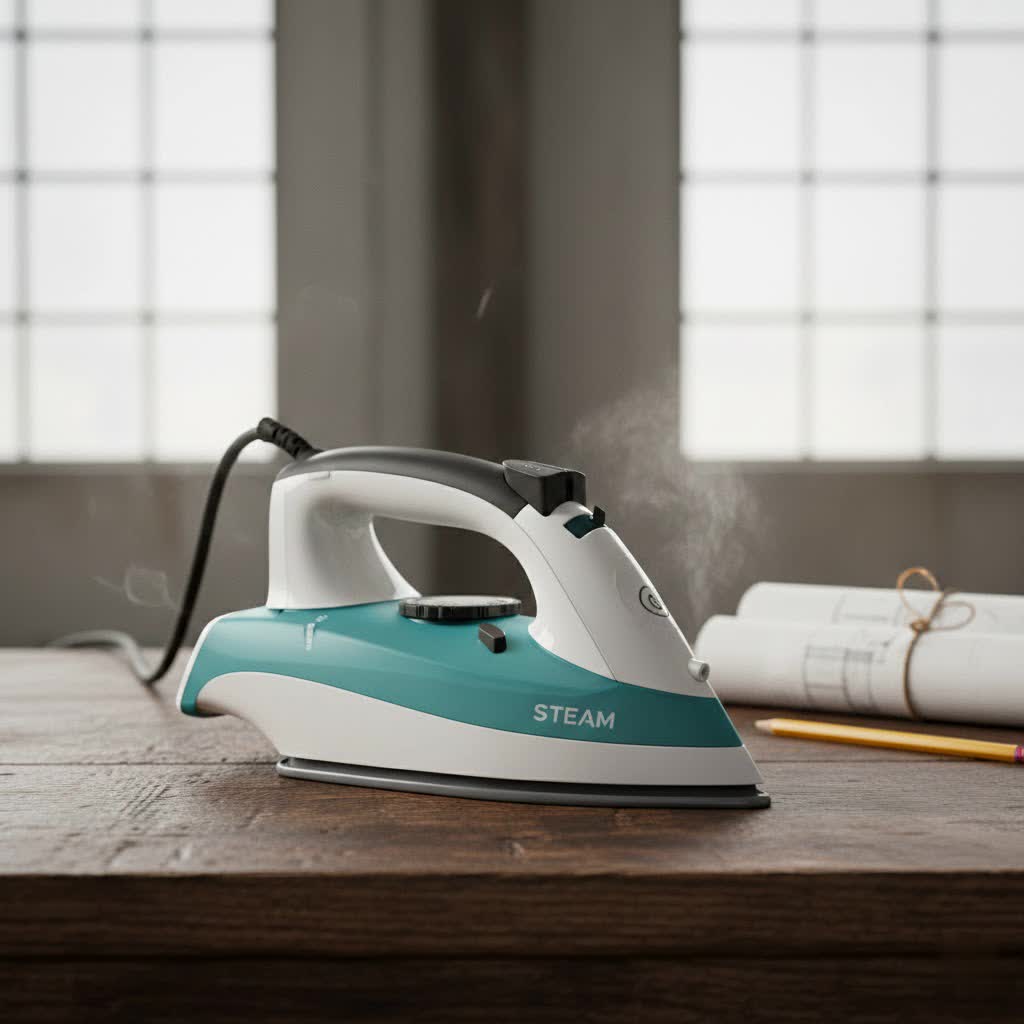
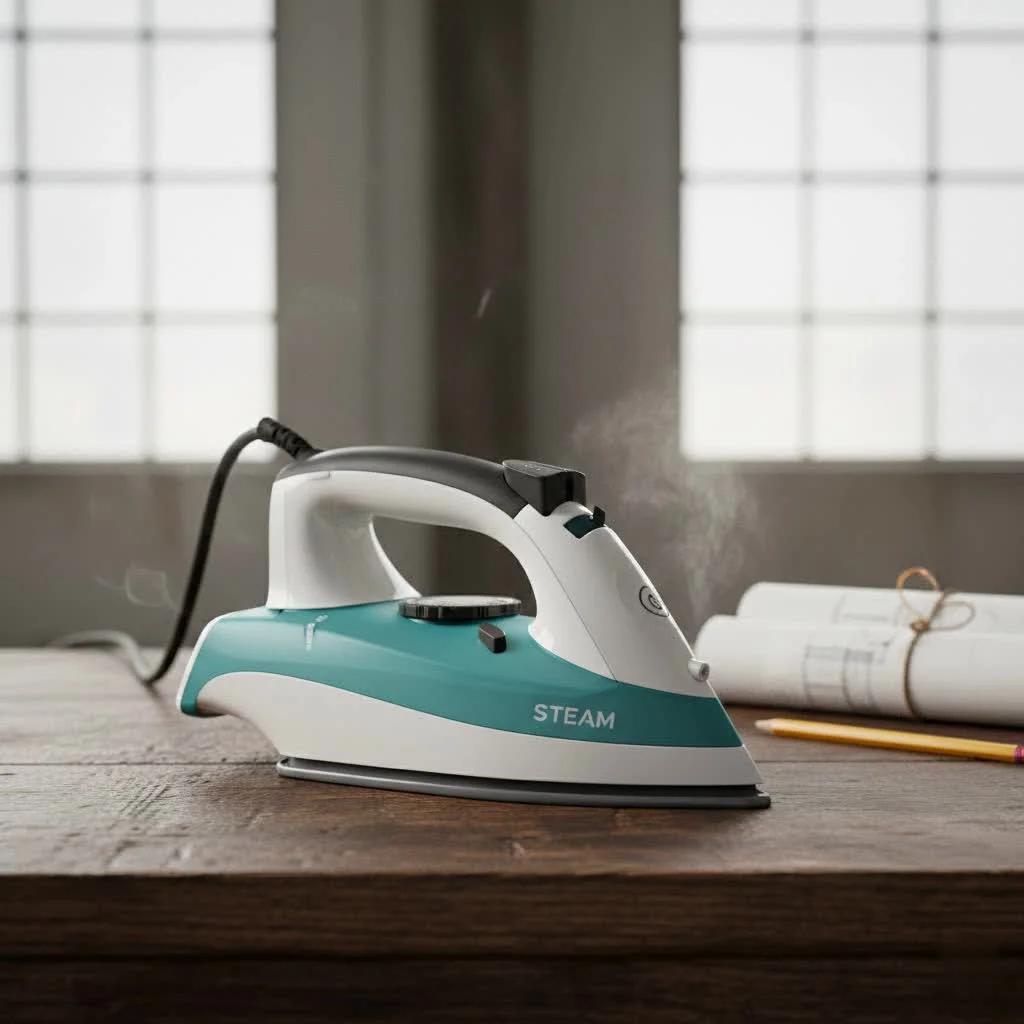
These are the most common and recognizable irons, featuring a water tank built into the main unit and a power cord. They offer continuous steam and a steam shot function to tackle creases.
Cordless Steam Irons
Offering unparalleled freedom of movement, cordless irons charge on a base and then allow you to iron without the restriction of a power cord. This design is particularly appealing for those who find cords cumbersome.
Steam Generator Irons
For serious ironers or large households, steam generator irons are a game-changer. They feature a separate, larger water tank and boiler unit that produces a continuous, powerful jet of steam, delivered through a lightweight iron connected by a hose.
Travel Steam Irons
Designed for portability, travel irons are compact and lightweight, making them perfect companions for business trips or vacations when you need a quick touch-up on the go.
Advantages and Disadvantages of Each Iron Type
Every type of steam iron comes with its own set of pros and cons, influencing its suitability for different users.
-
Traditional Steam Irons (Handheld/Corded): These irons are generally more affordable and compact than steam generators, making them a great entry-level option or for those with smaller ironing loads. Their simplicity and ease of use are significant advantages. However, their steam output is typically less powerful than steam generators, and the cord can sometimes restrict movement or cause tangles.
-
Cordless Steam Irons: The primary benefit of a cordless iron is the freedom of movement it provides, allowing you to iron without the cord getting in the way. They often heat up quickly and are convenient for quick ironing sessions. The main drawback is that they require frequent reheating on their base, which can interrupt continuous ironing, and their water tanks tend to be smaller.
-
Steam Generator Irons: Known for their exceptionally powerful and consistent steam output, these irons make quick work of even the most stubborn creases and large laundry piles. Their large water tanks mean fewer refills, and the iron itself is often lighter to handle. The downsides include their higher price point, bulkier size (requiring more storage space), and longer heat-up time for the generator.
-
Travel Steam Irons: The unbeatable portability and compact design of travel irons make them ideal for on-the-go garment care. They fit easily into luggage and are perfect for touch-ups. However, they generally have minimal steam power and tiny water tanks, meaning they are not suitable for heavy-duty ironing.
Comparing Your Steam Iron Options
To help visualize the differences, here’s a quick comparison of the main types of steam irons:
| Feature | Traditional Steam Iron | Cordless Steam Iron | Steam Generator Iron | Travel Steam Iron |
|---|---|---|---|---|
| Size | Compact | Medium-Compact | Bulky | Ultra-Compact |
| Steam Output | Moderate | Moderate | Very High | Low |
| Water Tank | Small-Medium | Small | Very Large | Very Small |
| Price | Affordable | Mid-Range | Premium | Budget-Friendly |
| Portability | Low | Medium-High | Low | Very High |
| Ideal Use | Regular, moderate loads | Quick touch-ups, light loads | Large, heavy loads | On-the-go touch-ups |
How to Choose the Perfect Steam Iron for Your Needs
Selecting the right steam iron involves considering several key factors that align with your ironing habits and preferences.
Assess Your Ironing Volume and Frequency
|
Our Picks for the Best Steam Iron in 2026
As an Amazon Associate I earn from qualifying purchases.
|
||
| Num | Product | Action |
|---|---|---|
| 1 | BLACK+DECKER Easy Steam Compact Iron for Clothes, Automatic Shutoff, Nonstick Plate, Light Weight, 1200 Watts |

|
| 2 | Sunbeam Turbo Steam Iron 1400W Quick Heat Stainless Steel Soleplate Shot of Steam Horizontal and Vertical 3 Way Auto Off 240ml Water Tank White Teal |
|
| 3 | Travel Steamer for Clothes, 1200W Handheld Garment Steamer & Iron 2-in-1, 15s Fast Heat-up Portable Steam Iron with Large Ceramic Panel, 120V Mini Ironing Machine for Home, Travel and Business |
|
| 4 | Professional Garment Steamer, 2-in-1 Vertical & Handheld for Wrinkles, 6 Steam Modes, 30-Second Heat Up, 800mL Tank, Auto Shut-Off, Portable & Standing Design, White |
|
| 5 | Rowenta Handheld Steamer for Clothes, Pure Force 2in1 Steamer & Iron, 1875W, Vertical/Horizonal Steaming & Ironing, Lightweight, Auto-off, XL power, 1875 Watts, DR8822 |
|
| 6 | Rowenta Iron, Focus Excellence Stainless Steel Soleplate Steam Iron for Clothes, Retractable Cord, 400+ Microsteam Holes, Powerful steam, LED Display, 1750 W Ironing Clothes, Cordreel, Red DW5433 |
|
| 7 | BLACK+DECKER Steam Iron for Clothes with Retractable Cord, Vertical Steaming, Anti-Drip Design, Spray Mist and Auto Clean Button, 1200W |
|
| 8 | Jack & Rose Travel Steamer for Clothes,100-220V Portable Iron,15s Heat Up,Steamer & Iron 2 In 1, Travel Size,Large Ceramic Heat Panel,for Global and Europe |
|
| 9 | Rowenta Iron Steamer for Clothes, Focus Stainless Steel Soleplate, 400 Microsteam Holes, Powerful Steam Iron, Lightweight, Leakproof, 1725 Watts |
|
| 10 | Hamilton Beach Steam Iron for Clothes & Garment Steamer with Smooth Press Stainless Steel Soleplate, 1200 Watts, 8’ Retractable Cord, Black (14214) |
|
If you iron frequently and have large piles of laundry, a powerful steam generator iron might be a worthwhile investment. For occasional ironing or smaller loads, a traditional or cordless steam iron could be sufficient.
Prioritize Steam Output and Shot
Steam output, measured in grams per minute (g/min), indicates the continuous steam an iron produces. A higher g/min means faster wrinkle removal. The steam shot (also g/min) is a burst of extra steam for particularly stubborn creases or vertical steaming. Look for at least 30-40g/min continuous steam and 100g/min+ steam shot for effective results.
Consider Water Tank Capacity
A larger water tank means fewer refills, allowing for longer, uninterrupted ironing sessions. This is especially important for steam generator irons and if you have extensive ironing tasks.
Evaluate Soleplate Material
The soleplate is the heating surface of the iron. Common materials include:
- Ceramic: Offers excellent glide, even heat distribution, and good durability.
- Stainless Steel: Durable, glides well, and heats up quickly.
- Non-stick (Teflon): Good for delicate fabrics, but can be less durable.
Look for Essential Features
Modern steam irons often come with advanced features that enhance performance and convenience:
- Auto Shut-off: A crucial safety feature that turns the iron off if left unattended.
- Anti-Calc/Self-Clean System: Prevents limescale buildup, prolonging the iron’s life and preventing stains on clothes.
- Anti-Drip System: Stops water from leaking onto garments, especially at lower temperatures.
- Vertical Steaming: Allows you to remove wrinkles from hanging clothes, curtains, and drapes.
- Temperature Control: Adjustable settings for different fabric types. Some advanced irons offer automatic temperature adjustment (e.g., OptimalTEMP technology).
- Cord Length/Cordless Functionality: A longer cord offers more flexibility, while cordless designs provide ultimate freedom of movement.
Ergonomics and Weight
A comfortable grip and balanced weight are important for prolonged ironing sessions. A lighter iron can reduce arm fatigue, especially with steam generator models where only the iron unit is handled.
Top 5 Recommended Steam Irons for 2026
Based on expert reviews and user feedback, here are some of the best steam irons available today, catering to different needs and budgets:
1. Morphy Richards easyCHARGE Power+ Cordless Iron
- Overview: Often hailed as an excellent all-rounder, this cordless iron combines convenience with strong performance.
- Pros: Offers brilliant user-friendly features, consistently removes wrinkles in just a couple of passes, boasts a generous water tank for a cordless model, and provides great overall performance in timed tests. The lightning-fast recharging on its base is a significant plus.
- Cons: Some users have noted that the water shot button can occasionally leak.
- Ideal for: Those seeking the ultimate convenience of cordless ironing without sacrificing performance for medium laundry loads.
2. Philips PerfectCare Steam Generator 7000
- Overview: A top contender for heavy-duty ironing, this steam generator iron is designed to power through large piles with ease.
- Pros: Delivers exceptionally fast crease removal, making it ideal for large ironing jobs or numerous sheets. Features OptimalTEMP technology, which automatically adjusts to any ironable fabric without needing manual temperature settings, preventing burns. The large 1.8L water tank allows for up to two hours of continuous use.
- Cons: It is a considerably bulky and expensive option, requiring ample storage space.
- Ideal for: Families with substantial laundry, those who iron frequently, or users needing industrial-level performance.
3. Tower T22008 CeraGlide Cordless Steam Iron
- Overview: This iron offers fantastic value and the unique flexibility of being used as both a cordless and a corded model.
- Pros: Excellent value for money, allowing for cordless operation with the option to attach the base for continuous corded use. It heats up very quickly (around 30 seconds) and glides effortlessly over fabrics thanks to its ceramic soleplate. The 360ml water tank is decent for a cordless unit.
- Cons: The water tank, while good for a cordless, isn’t the largest overall, and its aesthetic design might not appeal to everyone.
- Ideal for: Budget-conscious buyers who desire cordless freedom but also the option for longer corded ironing sessions, suitable for small to medium homes.
4. Russell Hobbs 3100w Powersteam Ultra Iron
- Overview: A powerful and reliable corded iron known for its consistent performance and speedy heat-up.
- Pros: Provides consistent power for large laundry piles, features an ultra-smooth ceramic soleplate for effortless gliding, and boasts a super-speedy heat-up time of under 30 seconds. The 3-meter cord offers good reach, and its strong 210g/min steam shot effectively removes deep creases. Includes auto shut-off and a self-clean function.
- Cons: The front-fill water tank can be a bit tricky to fill without the included beaker.
- Ideal for: Users who prefer a powerful corded iron for consistent, fast results on diverse fabrics and large loads.
5. CHI Lava Electric Iron
- Overview: Praised for its effectiveness across all fabric types and quick heating capabilities.
- Pros: Exceptional at ironing various fabrics like cotton, linen, satin, and polyester, delivering quick and effective smoothing. It heats up very fast, minimizing waiting time. Offers clear temperature controls and maneuvers easily.
- Cons: While generally well-regarded, specific drawbacks aren’t as widely highlighted in summaries, but it might fall into a higher price bracket for a traditional iron.
- Ideal for: Anyone seeking an efficient and versatile traditional iron that handles a wide range of garments with superior results and quick readiness.
Expert Tips for Using and Maintaining Your Steam Iron
To maximize the performance and longevity of your steam iron, follow these essential tips:
- Read the Manual: Always start by reading the manufacturer’s instructions. Each iron has unique features and maintenance requirements.
- Use Appropriate Water: While many modern irons can handle tap water, using distilled or filtered water is always recommended, especially in hard water areas, to prevent mineral buildup and limescale.
- Regular Cleaning and Descaling: Clean the soleplate regularly with a damp cloth and mild detergent (when cool) to remove residue. Utilize your iron’s self-clean or anti-calc function regularly to flush out mineral deposits.
- Empty Water Tank After Use: Never store your iron with water in the tank. Emptying it prevents leaks, limescale buildup, and bacterial growth.
- Store Properly: Allow the iron to cool completely before storing it. Store it upright, ideally in a dry, safe place, and wrap the cord neatly (if applicable) to prevent damage.
- Test on an Inconspicuous Area: Before ironing a new garment, always test the iron’s temperature and steam settings on an inside seam or hidden area to ensure compatibility.
Conclusion
Choosing the best steam iron to buy is a decision that significantly impacts the ease and effectiveness of your garment care routine. Whether you prioritize powerful steam for heavy loads, the convenience of a cordless design, or the portability of a travel iron, there’s a perfect model out there for you. By considering your individual needs, understanding the different types, and paying attention to key features like steam output and soleplate material, you can confidently select an iron that will keep your clothes looking their best for years to come.
What features do you value most in a steam iron, and how will your choice transform your ironing experience?
Frequently Asked Questions
What is the ideal steam output for an iron?
For effective wrinkle removal, look for a continuous steam output of at least 30-40 grams per minute (g/min). If you frequently encounter very stubborn creases, an iron with a steam shot of 100g/min or more will be beneficial.
How often should I descale my steam iron?
The frequency depends on your water hardness and how often you iron. In hard water areas or with frequent use, descaling every 2-4 weeks is advisable. If you use distilled water, you may need to descale less often, perhaps every few months.
Can I use tap water in my steam iron?
Many modern steam irons are designed to tolerate tap water, especially those with anti-calc systems. However, using distilled or demineralized water is generally recommended to prevent limescale buildup, which can clog steam vents and stain clothes, particularly in areas with hard water.
What is a steam generator iron and why is it different?
A steam generator iron has a separate, larger water tank and boiler unit that produces high-pressure steam. This powerful, continuous steam is then fed to a lightweight iron via a hose. Its key difference is the significantly higher steam output and larger water capacity compared to traditional irons, making it ideal for tackling large amounts of laundry quickly and efficiently.
Are cordless steam irons worth it?
Cordless steam irons offer unmatched freedom of movement and can make ironing feel less restrictive. They are particularly worth it for those who find cords cumbersome, iron smaller loads, or prefer quick touch-ups. However, be mindful of their shorter ironing time per charge and the need to frequently return them to their base for reheating.
Get our weekly buyer guide
Practical specs, not advice. Unsubscribe anytime.
