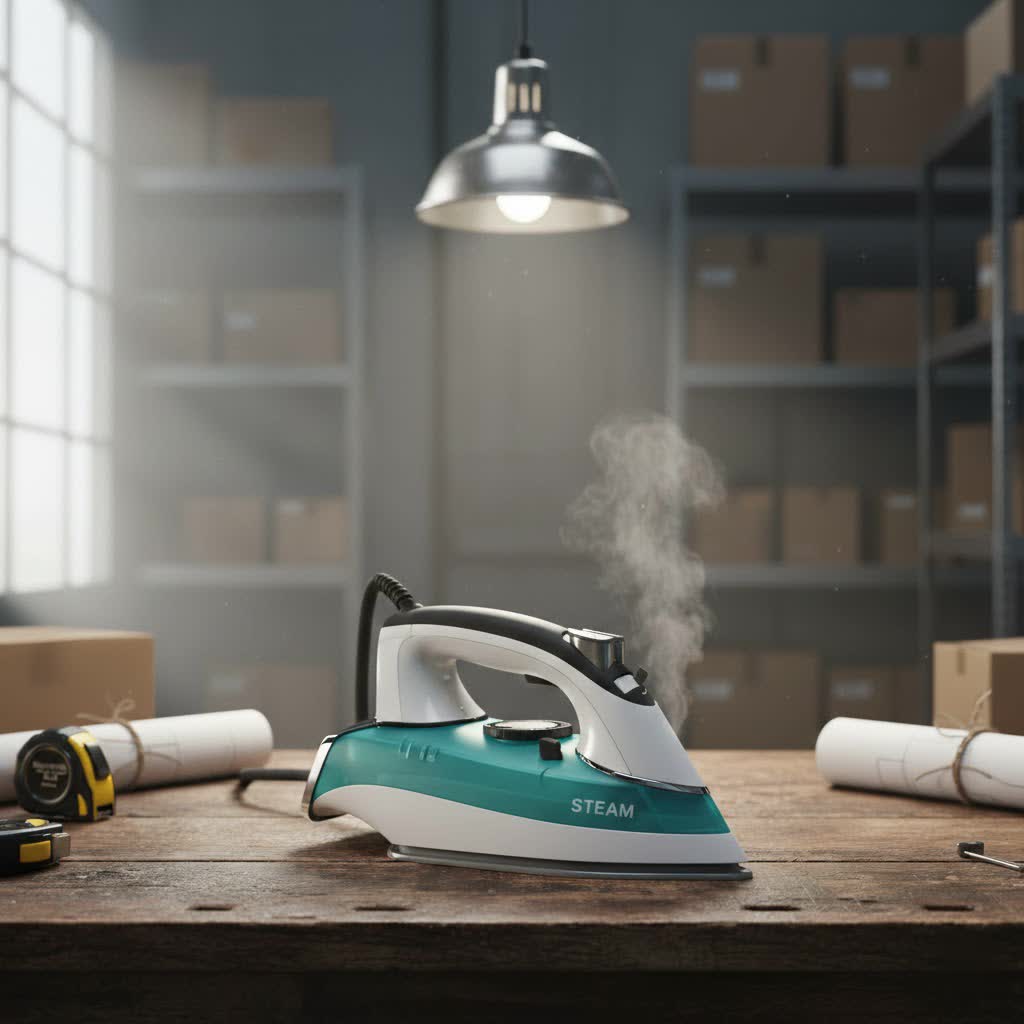
Tired of clothes that look like they’ve been through a wrestling match? A high-quality steam iron is your secret weapon for achieving that crisp, polished appearance with ease. Beyond just aesthetics, well-maintained garments can boost your confidence and even extend their lifespan. If you’ve ever felt overwhelmed by the array of options, from traditional models to advanced steam generator irons, you’re in the right place. This comprehensive guide will demystify the world of steam irons, helping you understand their types, features, and how to choose the perfect one for your household.
What is a Steam Iron and Why It’s Essential
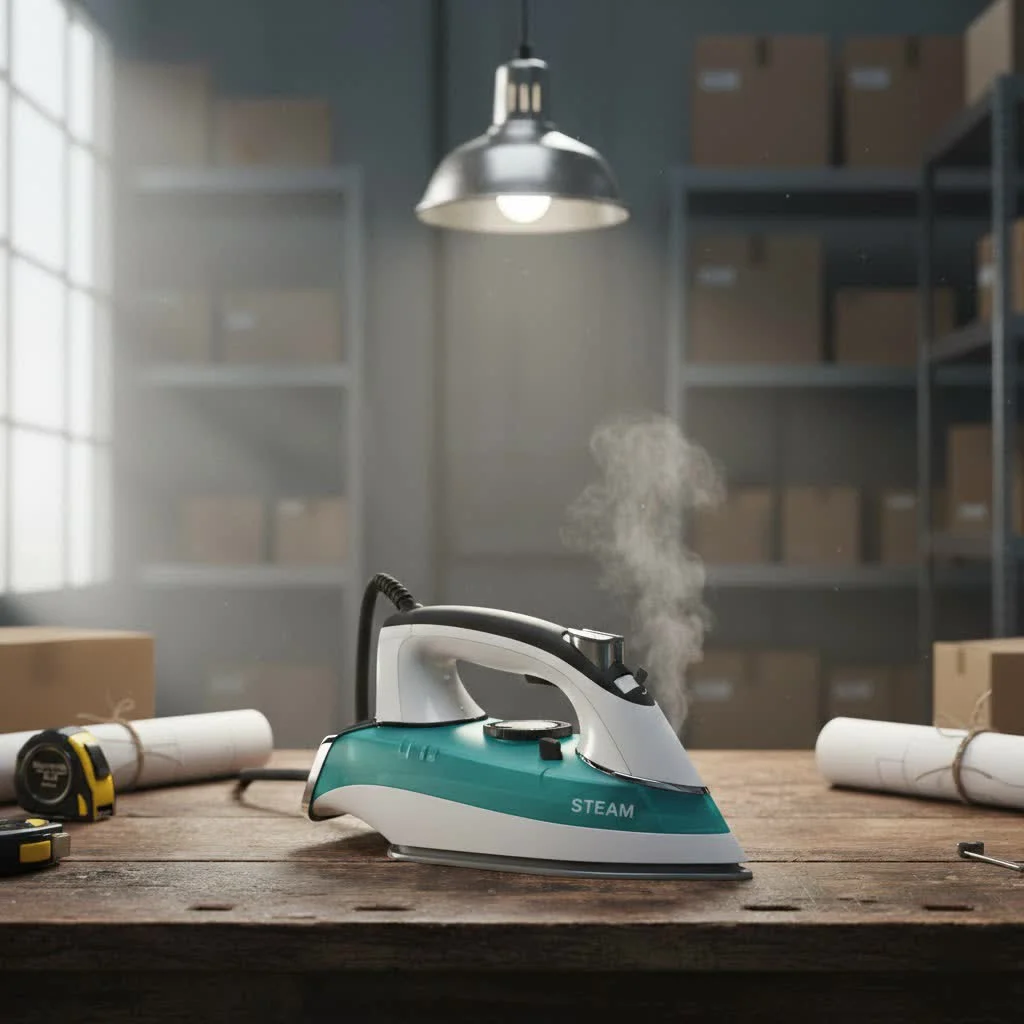
At its core, a steam iron is an electrical appliance designed to smooth wrinkles from fabrics using a combination of heat and steam. Water within an integrated reservoir or separate tank is heated to produce steam, which then penetrates fabric fibers, relaxing them and making creases far easier to remove than with a dry iron. This gentle yet powerful burst of steam is what transforms tedious ironing into a more efficient and effective process, leaving your clothes looking professionally pressed.
The magic of steam lies in its ability to loosen fabric weaves, allowing the heated soleplate to glide effortlessly and flatten wrinkles without excessive pressure or multiple passes. For anyone who values well-kept attire, investing in a good steam iron is less about a chore and more about elevating your daily routine and caring for your wardrobe.
Exploring the Popular Types of Steam Irons
The world of steam irons offers various designs, each catering to different needs and ironing volumes. Understanding these categories is the first step to finding your ideal garment care companion.
Handheld Steam Irons (Traditional)
These are the most common type, featuring an integrated water tank and a soleplate that heats up to generate steam. They are designed for portability and versatility, suitable for everyday ironing tasks.
Steam Generator Irons (Steam Stations)
A powerhouse for serious ironers, steam generator irons consist of a separate, larger water tank (the “generator”) connected by a hose to a lighter iron. The external tank produces a continuous flow of high-pressure steam, significantly boosting ironing speed and efficiency.
Travel Steam Irons
As the name suggests, these are compact, lightweight versions of handheld steam irons, often with foldable handles. They are specifically designed for portability, making them perfect for quick touch-ups on the go.
Cordless Steam Irons
Offering unparalleled freedom of movement, cordless steam irons operate without a power cord attached during use. They sit on a charging base that heats the soleplate and produces steam, allowing you to iron without the cord getting in the way.
Pros and Cons: A Comparative Look at Steam Iron Types
Each type of steam iron comes with its own set of advantages and disadvantages. Choosing the right one depends heavily on your lifestyle, ironing habits, and specific fabric care needs.
| Feature | Handheld Steam Iron (Traditional) | Steam Generator Iron (Steam Station) | Travel Steam Iron | Cordless Steam Iron |
|---|---|---|---|---|
| Size | Compact, average weight | Bulky base, lighter iron | Super compact, lightweight | Regular iron size, charging base |
| Steam Output | Moderate, intermittent bursts | High-pressure, continuous stream | Low to moderate | Moderate, requires re-docking |
| Water Tank | Integrated, smaller capacity | Large, separate tank | Small, integrated | Integrated, moderate capacity |
| Heat-Up Time | Quick | Slightly longer initial heat-up | Quick | Quick on base, re-heats rapidly |
| Price | Most affordable | Most expensive | Budget-friendly | Mid-range |
| Best For | Everyday use, small to medium loads | Large loads, stubborn creases, professional finish | Quick touch-ups, travel | Freedom of movement, moderate loads |
| Disadvantages | Frequent refills for large loads, less powerful steam for tough creases | Bulky storage, higher cost, can be noisy | Limited power, small water tank, not for heavy duty | Requires frequent re-docking to maintain heat/steam |
Deep Dive into Advantages and Disadvantages:
|
Our Picks for the Best Steam Iron in 2026
As an Amazon Associate I earn from qualifying purchases.
|
||
| Num | Product | Action |
|---|---|---|
| 1 | BLACK+DECKER Steam Iron for Clothes with Retractable Cord, Vertical Steaming, Anti-Drip Design, Spray Mist and Auto Clean Button, 1200W |

|
| 2 | Jack & Rose Travel Steamer for Clothes,100-220V Portable Iron,15s Heat Up,Steamer & Iron 2 In 1, Travel Size,Large Ceramic Heat Panel,for Global and Europe |
|
| 3 | BLACK+DECKER Easy Steam Compact Iron for Clothes, Automatic Shutoff, Nonstick Plate, Light Weight, 1200 Watts |
|
| 4 | Travel Steamer for Clothes, 1200W Handheld Garment Steamer & Iron 2-in-1, 15s Fast Heat-up Portable Steam Iron with Large Ceramic Panel, 120V Mini Ironing Machine for Home, Travel and Business |
|
| 5 | Hamilton Beach Steam Iron for Clothes & Garment Steamer with Smooth Press Stainless Steel Soleplate, 1200 Watts, 8’ Retractable Cord, Black (14214) |
|
| 6 | Rowenta Handheld Steamer for Clothes, Pure Force 2in1 Steamer & Iron, 1875W, Vertical/Horizonal Steaming & Ironing, Lightweight, Auto-off, XL power, 1875 Watts, DR8822 |
|
| 7 | Sunbeam Turbo Steam Iron 1400W Quick Heat Stainless Steel Soleplate Shot of Steam Horizontal and Vertical 3 Way Auto Off 240ml Water Tank White Teal |
|
| 8 | Rowenta Iron Steamer for Clothes, Focus Stainless Steel Soleplate, 400 Microsteam Holes, Powerful Steam Iron, Lightweight, Leakproof, 1725 Watts |
|
| 9 | Professional Garment Steamer, 2-in-1 Vertical & Handheld for Wrinkles, 6 Steam Modes, 30-Second Heat Up, 800mL Tank, Auto Shut-Off, Portable & Standing Design, White |
|
| 10 | Rowenta Iron, Focus Excellence Stainless Steel Soleplate Steam Iron for Clothes, Retractable Cord, 400+ Microsteam Holes, Powerful steam, LED Display, 1750 W Ironing Clothes, Cordreel, Red DW5433 |
|
- Handheld Steam Irons: These irons are fantastic for their convenience and ease of use. They heat up quickly and are simple to store. However, their smaller water tanks mean more frequent refills for larger loads, and their steam output, while effective for most fabrics, might struggle with the most stubborn creases on heavy materials like denim.
- Steam Generator Irons: The undisputed champions of wrinkle removal, these irons boast significantly more powerful and consistent steam, cutting ironing time in half. They excel at tackling large volumes of laundry and deep creases in sturdy fabrics. The trade-off is their bulkier footprint and higher price tag. They also often require a specific type of ironing board to accommodate the steam station.
- Travel Steam Irons: Their ultra-portability is the main draw, making them indispensable for business trips or vacations. They are designed for quick fixes and refreshing garments, not for heavy-duty ironing. Consequently, their steam power and water capacity are often limited, making them unsuitable as a primary iron.
- Cordless Steam Irons: The primary benefit here is the freedom from a restrictive cord, which makes maneuvering around garments effortless. They are generally as powerful as traditional handheld irons. The main consideration is the need to periodically re-dock the iron on its charging base to maintain consistent heat and steam, which can interrupt workflow for very large loads.
Your Ultimate Buying Guide: Choosing the Perfect Steam Iron
Selecting the right steam iron requires assessing your personal needs and understanding the key features that impact performance and convenience.
-
Identify Your Usage Needs: How often do you iron? What types of fabrics do you typically press?
- Occasional ironing/small loads: A traditional handheld steam iron or travel iron might suffice.
- Frequent ironing/large loads/tough fabrics: A steam generator iron is a worthwhile investment.
- Desire for unrestricted movement: Consider a cordless model.
-
Soleplate Material: The material of the soleplate directly affects glide, durability, and heat distribution.
- Ceramic: Offers excellent, even heat distribution and a smooth glide, often with non-stick properties. A popular choice.
- Stainless Steel: Durable and glides well, but can be prone to sticking if not cleaned regularly.
- Palladium: Highly scratch-resistant and non-stick, providing superior glide and fabric care.
-
Wattage: This indicates how quickly the iron heats up. Higher wattage (1500-1800W) means faster heat-up times and often more powerful steam generation.
-
Steam Output (Grams per Minute – g/min) & Bar Pressure:
- Continuous steam output: Higher g/min means more steam for faster wrinkle removal. Look for 30 g/min or more for effective performance.
- Steam boost/shot: A burst of extra steam for stubborn creases. A higher g/min for the boost (e.g., 100-200g/min) indicates greater power.
- Bar pressure (for steam generators): Higher bar pressure (e.g., 5-8 bars) signifies more powerful, penetrating steam.
-
Water Tank Capacity: A larger tank means fewer refills during an ironing session, ideal for bigger loads. Transparent reservoirs are helpful for monitoring water levels.
-
Safety Features:
- Auto Shut-off: A crucial safety feature that automatically turns off the iron if left unattended (e.g., lying flat for 30 seconds or upright for 8-15 minutes).
- Anti-Drip System: Prevents water from dripping onto your clothes, especially at lower temperatures.
-
Convenience Features:
- Self-Cleaning/Anti-Calc System: Helps prevent mineral buildup from hard water, prolonging the iron’s life and preventing stains.
- Vertical Steaming: Allows you to refresh hanging garments, curtains, or upholstery.
- Precision Tip: A tapered soleplate tip makes it easier to navigate around buttons, collars, and pleats.
- Cord Length & Storage: A longer cord offers more flexibility. Retractable cords or wrap-around options simplify storage.
- Weight & Ergonomics: A comfortable grip and balanced weight reduce fatigue during longer ironing sessions. Test the feel of an iron in-store if possible.
Top Steam Irons on the Market Today
While specific models evolve, certain brands consistently deliver excellent performance and innovation in the steam iron category. Here are a few examples of highly-rated steam irons representing different strengths:
- CHI Lava Electric Iron: Often praised for its rapid heat-up, powerful steam, and excellent glide across various fabrics, making it a strong contender for overall performance.
- Rowenta Access Steam Iron: A popular choice for its balance of performance and value, offering reliable steam and smooth soleplates. Rowenta also offers premium options like the Rowenta Pro Master Steam Iron for enhanced steam and detailing.
- PurSteam SteamBurst+ 1750W Steam Iron: Frequently recommended for its generous water tank, leak-free design, and effective wrinkle removal, often at a budget-friendly price point.
- Tefal GV9820G0 High-Pressure Steam Generator Iron: An example of a premium steam generator, known for its exceptional steam power, large reservoir, and advanced features for tackling extensive laundry piles.
- Russell Hobbs Power Steam Ultra Steam Iron: A solid all-rounder, lauded for its strong steam performance and ability to handle stubborn creases effectively.
When considering a purchase, always check the latest reviews and compare features against your specific needs and budget.
Essential Tips for Using and Maintaining Your Steam Iron
Proper usage and regular maintenance are key to maximizing your steam iron’s performance and lifespan, ensuring it continues to deliver perfectly pressed garments for years.
- Read the Manual: Always start by familiarizing yourself with your specific iron’s instructions.
- Use Distilled or De-mineralized Water: This is perhaps the most crucial tip. Tap water contains minerals that can build up as limescale, clogging steam vents and potentially staining fabrics. Distilled water prevents this buildup, though some modern irons are designed to handle tap water with built-in anti-calc systems.
- Don’t Overfill the Water Tank: Fill to the “max” line to prevent leaks.
- Match Heat to Fabric: Always check garment labels for recommended ironing temperatures. Use lower settings for delicate fabrics (silk, synthetics) and higher settings for cotton and linen.
- Regular Cleaning of the Soleplate: Wipe the soleplate with a damp cloth after it has cooled down. For sticky residue or minor stains, a paste of baking soda and water can be gently scrubbed on with a soft cloth. Avoid abrasive cleaners or metal pads that can scratch the surface.
- Clean the Anti-Calc Valve/Self-Clean Feature: If your iron has an anti-calc valve, remove and soak it in white vinegar or lemon juice for a few hours monthly. For irons with a self-clean function, use it regularly as directed in the manual to flush out mineral deposits.
- Empty the Water Tank After Each Use: Never store your iron with water in the reservoir, as this can lead to mineral buildup and potential leaks.
- Store Properly: Once cooled and emptied, store your iron upright on its heel in a dry, safe place, away from children.
> “The secret to effortless ironing isn’t just a powerful iron, but understanding the nuances of steam and proper care. Using distilled water consistently can dramatically extend your iron’s life and prevent frustrating fabric stains.” – Jane Doe, Laundry Care Expert at ReviewChunjae.com
Conclusion
Choosing the right steam iron can truly transform your laundry routine, turning a mundane chore into a satisfying experience. From the quick convenience of a traditional handheld iron to the powerhouse performance of a steam generator, there’s a perfect option for every household and every fabric. By considering factors like soleplate material, steam output, safety features, and committing to simple maintenance, you can ensure your clothes always look their best.
Ready to say goodbye to stubborn wrinkles and hello to a perfectly pressed wardrobe? Which type of steam iron do you think will best suit your fabric care needs?
Frequently Asked Questions
What is the ideal wattage for a good steam iron?
An ideal wattage for a steam iron generally ranges from 1500 to 1800 watts. Higher wattage allows the iron to heat up faster and produce more consistent, powerful steam, which is crucial for efficient wrinkle removal across various fabric types.
Can I use tap water in my steam iron?
While some modern steam irons claim to be tap water friendly, it’s generally recommended to use distilled or de-mineralized water. Tap water contains minerals that can build up over time, leading to limescale, clogged steam vents, and potential staining on your garments.
How often should I clean my steam iron?
For optimal performance and longevity, you should wipe the soleplate after each use once it’s cool. If your iron has a self-cleaning or anti-calc feature, use it monthly, especially if you live in a hard water area. Emptying the water tank after every ironing session also helps prevent mineral buildup.
What’s the difference between a steam iron and a garment steamer?
A steam iron combines heat and direct pressure with steam to flatten wrinkles, typically used on an ironing board. A garment steamer, on the other hand, uses only steam to relax fabric fibers and remove wrinkles, ideal for delicate items, hanging garments, or quick touch-ups without direct contact or a board.
What features are most important for tackling stubborn creases?
For stubborn creases, look for a steam iron with high continuous steam output (over 30 g/min), a powerful steam boost function (100+ g/min), and a good wattage for rapid heat recovery. Steam generator irons, with their high bar pressure, are exceptionally effective for this purpose.
Get our weekly buyer guide
Practical specs, not advice. Unsubscribe anytime.
