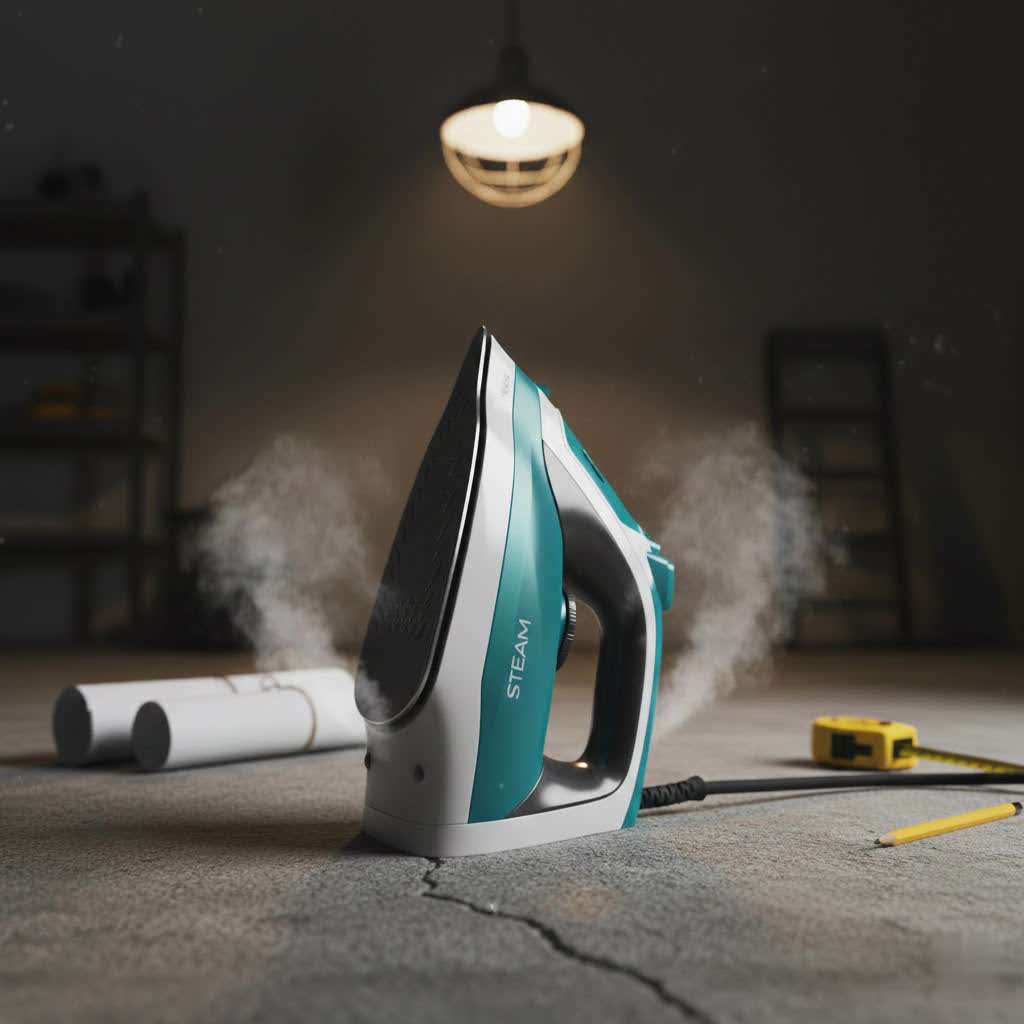
Tired of battling stubborn wrinkles and wishing for impeccably smooth garments? The secret to a crisp, polished look often lies in the power of a good steam iron. While countless brands promise wrinkle-free results, understanding the nuances of these essential appliances is key. Here, we delve into the world of steam irons, exploring different types, crucial features, and expert tips, with a special look at Oreck’s unique contribution to the cordless ironing experience.
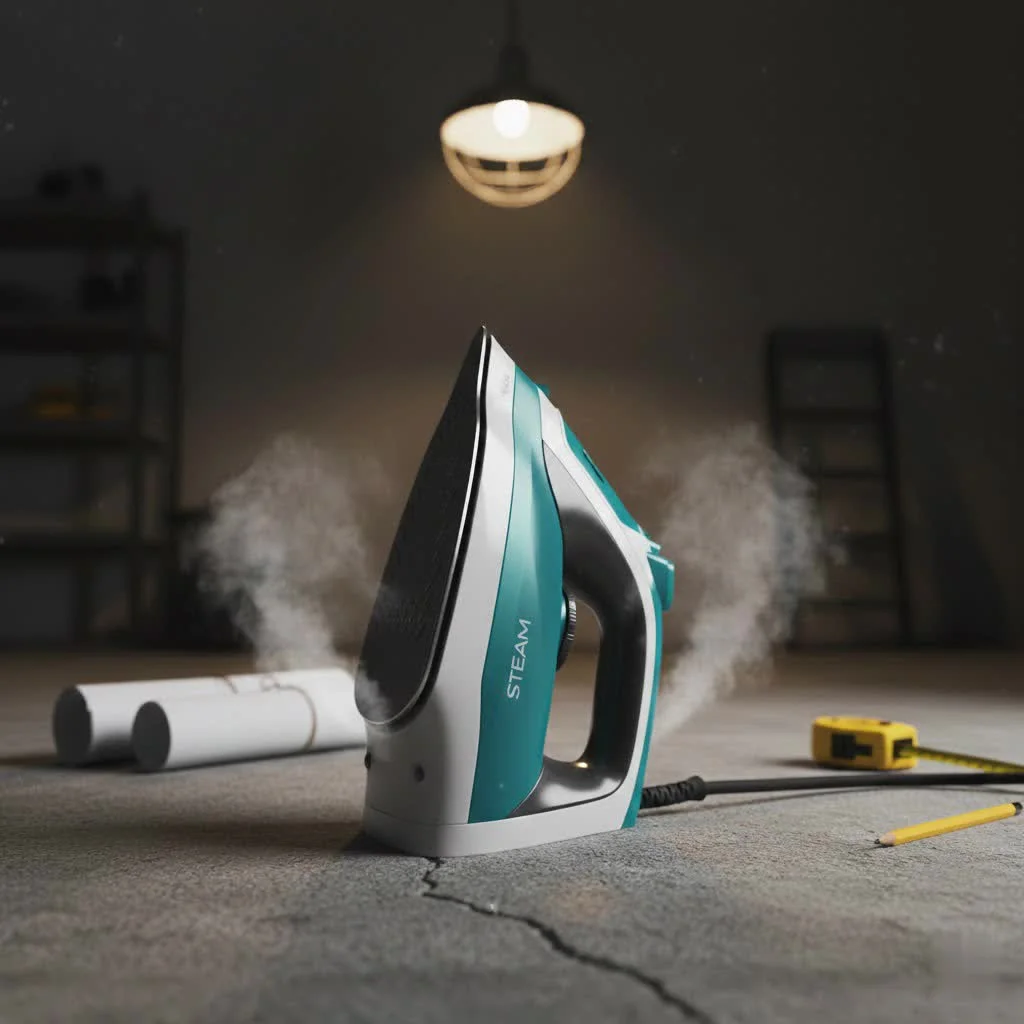
Steam Irons: The Perfect Solution for Wrinkle-Free Clothes
A steam iron is an indispensable tool for anyone serious about garment care. By combining heat with moisture, steam irons relax fabric fibers, allowing the soleplate to glide effortlessly and press out creases with remarkable efficiency. This dual action is far superior to dry ironing, delivering professional-looking results right in your own home.
Common Types of Steam Irons
The steam iron market offers a variety of designs, each catering to different needs and ironing habits. Understanding their core functionalities will help you determine the best fit for your lifestyle.
Handheld Steam Irons (Traditional & Cordless)
These are the most common type, resembling classic irons but with added steam capabilities. They are versatile, offering precise control for detailed ironing. Oreck’s primary steam iron offerings, notably the JP8100C series, fell into this category, distinguishing themselves with a corded/cordless hybrid design. This innovation aimed to provide the freedom of movement typical of a cordless model while retaining the option for sustained power.
Upright Garment Steamers
Often mistaken for traditional irons, garment steamers are designed to refresh and de-wrinkle clothes vertically while they hang. They use continuous steam to relax fabrics, ideal for delicate items, intricate designs, and quick touch-ups without direct soleplate contact.
Travel Steam Irons
Compact and lightweight, travel irons are specifically designed for portability. They often have foldable handles and smaller water tanks, making them perfect for maintaining a polished appearance on the go.
Pros and Cons of Each Type
Each steam iron type comes with its own set of advantages and limitations.
Handheld Steam Irons (Including Cordless/Corded, like Oreck)
- Pros: Handheld irons offer unparalleled precision for crisp creases and sharp edges, making them excellent for formal wear, shirts, and detailed crafting. Cordless models, like the Oreck JP8100C series, provide exceptional freedom of movement, eliminating tangled cords and making ironing less cumbersome for smaller tasks or when working in different areas. The ability to switch to a corded mode, as seen in Oreck models, offers flexibility for longer ironing sessions.
- Cons: Traditional corded irons can be limited by cord length and tangling. Cordless irons, while convenient, typically require frequent recharging on their base to maintain optimal heat, which can interrupt flow during extensive ironing loads. This frequent re-docking can make them less efficient for large piles of laundry.
Upright Garment Steamers
- Pros: Garment steamers are incredibly fast for quick de-wrinkling and refreshing clothes. They are gentle on all fabrics, including delicates like silk, lace, and embellished garments, as they don’t involve direct heat contact. They’re also excellent for items that are difficult to iron flat, such as drapes or suits.
- Cons: While effective for removing general wrinkles, garment steamers cannot achieve the sharp, pressed creases that a traditional iron can. They are less precise for detailed work and may not fully flatten very stubborn wrinkles.
Travel Steam Irons
- Pros: The main advantage of travel irons is their extreme portability. They are lightweight, compact, and designed to fit easily into luggage, ensuring you can look your best even when away from home.
- Cons: Due to their small size, travel irons often have lower wattage and smaller water tanks, resulting in less powerful steam output and shorter operating times. They are best suited for light touch-ups rather than extensive ironing.
Comparison of Steam Iron Types
|
Our Picks for the Best Steam Iron in 2026
As an Amazon Associate I earn from qualifying purchases.
|
||
| Num | Product | Action |
|---|---|---|
| 1 | BLACK+DECKER Easy Steam Compact Iron for Clothes, Automatic Shutoff, Nonstick Plate, Light Weight, 1200 Watts |

|
| 2 | Travel Steamer for Clothes, 1200W Handheld Garment Steamer & Iron 2-in-1, 15s Fast Heat-up Portable Steam Iron with Large Ceramic Panel, 120V Mini Ironing Machine for Home, Travel and Business |
|
| 3 | Rowenta Iron Steamer for Clothes, Focus Stainless Steel Soleplate, 400 Microsteam Holes, Powerful Steam Iron, Lightweight, Leakproof, 1725 Watts |
|
| 4 | Jack & Rose Travel Steamer for Clothes,100-220V Portable Iron,15s Heat Up,Steamer & Iron 2 In 1, Travel Size,Large Ceramic Heat Panel,for Global and Europe |
|
| 5 | BLACK+DECKER Steam Iron for Clothes with Retractable Cord, Vertical Steaming, Anti-Drip Design, Spray Mist and Auto Clean Button, 1200W |
|
| 6 | Sunbeam Turbo Steam Iron 1400W Quick Heat Stainless Steel Soleplate Shot of Steam Horizontal and Vertical 3 Way Auto Off 240ml Water Tank White Teal |
|
| 7 | Professional Garment Steamer, 2-in-1 Vertical & Handheld for Wrinkles, 6 Steam Modes, 30-Second Heat Up, 800mL Tank, Auto Shut-Off, Portable & Standing Design, White |
|
| 8 | Rowenta Iron, Focus Excellence Stainless Steel Soleplate Steam Iron for Clothes, Retractable Cord, 400+ Microsteam Holes, Powerful steam, LED Display, 1750 W Ironing Clothes, Cordreel, Red DW5433 |
|
| 9 | Hamilton Beach Steam Iron for Clothes & Garment Steamer with Smooth Press Stainless Steel Soleplate, 1200 Watts, 8’ Retractable Cord, Black (14214) |
|
| 10 | Rowenta Handheld Steamer for Clothes, Pure Force 2in1 Steamer & Iron, 1875W, Vertical/Horizonal Steaming & Ironing, Lightweight, Auto-off, XL power, 1875 Watts, DR8822 |
|
Choosing the right iron involves balancing power, portability, and precision. Here’s a quick comparison to guide your decision:
| Feature | Cordless/Corded Steam Iron (e.g., Oreck) | Traditional Corded Steam Iron | Upright Garment Steamer | Travel Iron |
|---|---|---|---|---|
| Size | Compact to Medium | Medium | Large (with stand) | Super Compact |
| Power | Medium to High | High | High (steam output) | Low to Medium |
| Price (General) | Mid to High | Low to Mid | Mid to High | Low |
| Best for | Small tasks, sewing, quick touch-ups, versatile use | Everyday ironing, crisp creases, large loads | Delicates, quick de-wrinkling, vertical steaming | On-the-go touch-ups |
Guide to Choosing the Right Steam Iron
Selecting the ideal steam iron requires considering several factors tailored to your specific ironing habits and garment care needs.
1. Determine Your Usage Needs
Consider how often you iron and what types of fabrics you typically handle. For frequent, heavy-duty ironing of cottons and linens, a powerful iron with a large water tank is essential. For occasional touch-ups or delicate garments, a lighter, more agile iron or a garment steamer might be more suitable. If cord-free convenience is a priority for quick tasks, a cordless model like Oreck’s original offerings could be a strong consideration.
2. Soleplate Material
The soleplate is the heart of your iron, determining how smoothly it glides over fabric.
- Stainless Steel: Durable, glides well, and distributes heat evenly. It’s a popular and cost-effective choice.
- Ceramic/Non-stick: Offers excellent glide and even heat distribution, reducing the risk of scorching. These are often easier to clean.
- Titanium: Highly durable, scratch-resistant, and provides excellent heat transfer.
3. Steam Output and Features
Effective wrinkle removal relies heavily on steam. Look for:
- Continuous Steam: Measured in grams per minute (g/min), a higher rate means more efficient wrinkle removal.
- Steam Burst: A powerful shot of steam for tackling stubborn wrinkles or for vertical steaming of hanging garments.
- Vertical Steam: Allows you to steam clothes on a hanger, useful for refreshing suits, dresses, or curtains.
- Adjustable Steam: Control over steam intensity for different fabric types.
4. Power and Wattage
Wattage typically indicates how quickly an iron heats up and how powerful its steam output can be. Most home steam irons range from 1200W to 1800W. Higher wattage often translates to faster heating and stronger steam performance, crucial for thicker fabrics. The Oreck JP8100CB, for instance, operated at 1350W, offering a good balance of power for its cordless and corded modes.
5. Water Tank Capacity
A larger water tank means less frequent refilling, which is a significant convenience for larger ironing loads. However, larger tanks also add to the iron’s weight. Consider models with clear water level indicators and easy-to-fill openings.
6. Safety Features
Modern steam irons often come with important safety enhancements:
- Auto Shut-Off: Automatically turns the iron off after a period of inactivity, whether left flat, on its heel, or on its side. Oreck’s JP8100C series included this feature, turning off after 10 minutes of no movement.
- Drip-Stop System: Prevents water from leaking from the soleplate at lower temperatures, safeguarding your clothes from water spots.
7. Corded vs. Cordless
This is where Oreck made its mark. A cordless iron offers unmatched freedom, perfect for quick pressing during crafting or for garments with many details where the cord can get in the way. However, it requires returning to a charging base to reheat, typically every 40 seconds for models like Oreck’s. A corded iron provides continuous heat and steam without interruption, ideal for large batches of ironing. Many Oreck models provided the best of both worlds with a convertible design.
8. Ergonomics and Weight
A comfortable grip and balanced weight are crucial for reducing fatigue, especially during long ironing sessions. Test the iron’s feel in your hand, ensuring it’s not too heavy or awkward.
Top Categories of Steam Irons for Today’s Needs
While Oreck’s dedicated clothing steam iron models, like the JP8100C series, were innovative for their time, the market has evolved. Today, consumers often seek specific performance characteristics rather than a single brand’s line. Here are categories of steam irons that are highly valued for their particular strengths:
- Best for Heavy-Duty Performance: These irons boast high wattage (1700W+), powerful continuous steam, and robust soleplates, making light work of denim, linen, and thick cottons. They prioritize raw power and consistent results.
- Best Cordless Convenience: For those who prioritize freedom of movement for quilting, sewing, or quick daily touch-ups, top cordless models offer efficient reheating bases and strong steam bursts. These models perfect the hybrid approach pioneered by irons like Oreck’s.
- Best for Delicates & Versatility: Steam irons with variable temperature and steam settings, along with vertical steam capabilities, are ideal for handling a wide range of fabrics, from silk to wool, without risk of damage. Many also double as garment steamers for added utility.
- Best Value: Budget-friendly options that still deliver reliable steam, decent heat, and essential safety features prove that effective wrinkle removal doesn’t have to break the bank.
- Premium Performance & Features: High-end irons often include advanced soleplate coatings, anti-calc systems, self-cleaning functions, and intelligent fabric settings that automatically adjust heat and steam, offering an unparalleled ironing experience.
A Detailed Look at the Oreck Cordless Steam Iron Concept
The Oreck Cordless Steam Iron, particularly the JP8100C series (JP8100CA, JP8100CB, JP8100CC), represented a significant step towards greater convenience in home ironing. This innovative design offered users the flexibility of both cordless and corded operation, attempting to bridge the gap between freedom of movement and sustained heating power.
Pros:
- Cordless Freedom: The primary advantage was the ability to iron without a cord getting in the way, making it excellent for intricate tasks like quilting, pressing seams, or quickly refreshing a garment. Users appreciated the untethered experience.
- Dual Functionality: The option to attach the cord meant that for larger loads, the iron could operate continuously, overcoming the common limitation of cordless models.
- Safety Features: The inclusion of an auto shut-off after 10 minutes of inactivity and a drip-stop feature to prevent water leaks were well-received safety enhancements.
- Quick Reheat: When returned to its base, the Oreck cordless iron would reheat relatively quickly, ensuring it was ready for the next pass.
Cons:
- Limited Cordless Heat Retention: For extensive ironing, the cordless mode required frequent re-docking (around every 40 seconds) to maintain optimal temperature and steam output. This could interrupt the ironing flow and diminish efficiency for larger tasks.
- Steam Output Concerns: Some users reported that the steam production, especially in cordless mode, might not be sufficient for very heavy fabrics or deep wrinkles, necessitating a switch to corded mode or more passes.
- Aging Technology: Given that these models were prevalent over a decade ago, newer irons may offer more advanced soleplate technology, stronger steam, and faster reheating capabilities.
Overall Assessment:
The Oreck Cordless Steam Iron was a thoughtful product that addressed a genuine need for ironing flexibility. It was particularly suited for specific use cases where cordless operation was paramount, such as craft projects or quick touch-ups. However, for continuous, heavy-duty ironing, the need for frequent reheating in cordless mode was a notable trade-off, leading many to utilize its corded functionality for larger loads. Its legacy lies in paving the way for more sophisticated cordless irons available today.
Tips for Using and Maintaining Your Steam Iron
Proper usage and regular maintenance are crucial for extending the life of your steam iron and ensuring consistent performance.
- Read Your Manual: Always consult your iron’s user guide for specific instructions on temperature settings, water filling, and care procedures. This is especially true for models with unique features, like the Oreck’s corded/cordless switch and self-clean function.
- Use the Right Water: While normal tap water is often acceptable, if you live in a hard water area, using distilled or demineralized water is highly recommended. This prevents mineral buildup (limescale) that can clog steam vents and affect performance, a tip explicitly stated in the Oreck JP8100C series manual.
- Regular Self-Cleaning: Most steam irons, including Oreck models, feature a self-clean system. Utilize this at least once a month, or more frequently if you use tap water, to flush out mineral deposits and impurities from the steam vents.
- Empty After Use: Always unplug your iron and empty any remaining water from the tank after each use. This prevents stagnation and mineral residue from settling, which can lead to clogs and leaks.
- Proper Storage: Allow the iron to cool completely before storing it. Store it upright on its heel rest or its designated stand (for cordless models like Oreck’s) in a dry place. Neatly loop the power cord if it’s a corded model or use the storage position for convertible models.
- Ironing Technique: Sort clothes by fabric type and start with items requiring lower heat. Always test an inconspicuous area first if unsure of a fabric’s content. Avoid ironing over zippers, buttons, or metal embellishments, as these can scratch the soleplate.
Conclusion
Achieving perfectly pressed clothes is within reach with the right steam iron. From the precise control of a handheld model to the speed of a garment steamer, understanding the different types and their features empowers you to make an informed choice. The Oreck Cordless Steam Iron, while a product of its era, highlighted the enduring appeal of convenience and versatility in ironing, a legacy that continues to influence modern appliance design. By considering your specific needs, prioritizing essential features, and adhering to proper care, you can ensure your garments always look their best.
What features do you value most in a steam iron for your daily routine?
Frequently Asked Questions
Is Oreck still making steam irons for clothing?
While Oreck historically offered innovative steam irons like the cordless/corded JP8100C series, current information suggests that dedicated Oreck clothing steam irons are not widely available in new product lines today. Oreck’s focus appears to have shifted, and the models discussed are generally older.
What are the main benefits of a cordless steam iron?
The primary benefit of a cordless steam iron is the unparalleled freedom of movement it offers. Without a cord to contend with, you can maneuver the iron effortlessly, making it ideal for quilting, sewing projects, intricate garments, or quick touch-ups where a cord would be a hindrance.
How often should I descale my steam iron?
It is generally recommended to descale or use the self-clean function on your steam iron at least once a month. If you live in an area with hard water and frequently use tap water, performing this maintenance more often can prevent mineral buildup and ensure optimal steam performance.
Can I use tap water in my Oreck steam iron?
According to the user guide for the Oreck JP8100C series, normal tap water can usually be used. However, if you reside in a hard water area, it is strongly recommended to use distilled water to prevent mineral accumulation and ensure the iron’s optimum performance and longevity.
Why is my steam iron not producing steam?
Several factors can cause a steam iron to stop producing steam. Common issues include an empty water tank, the iron not reaching the correct temperature setting for steam, or clogged steam vents due to mineral buildup. Ensure the tank is filled, the temperature dial is on a steam-appropriate setting, and perform a self-clean cycle to clear any blockages. If these steps don’t resolve the issue, a faulty thermostat or thermal fuse could be the cause.
Get our weekly buyer guide
Practical specs, not advice. Unsubscribe anytime.
