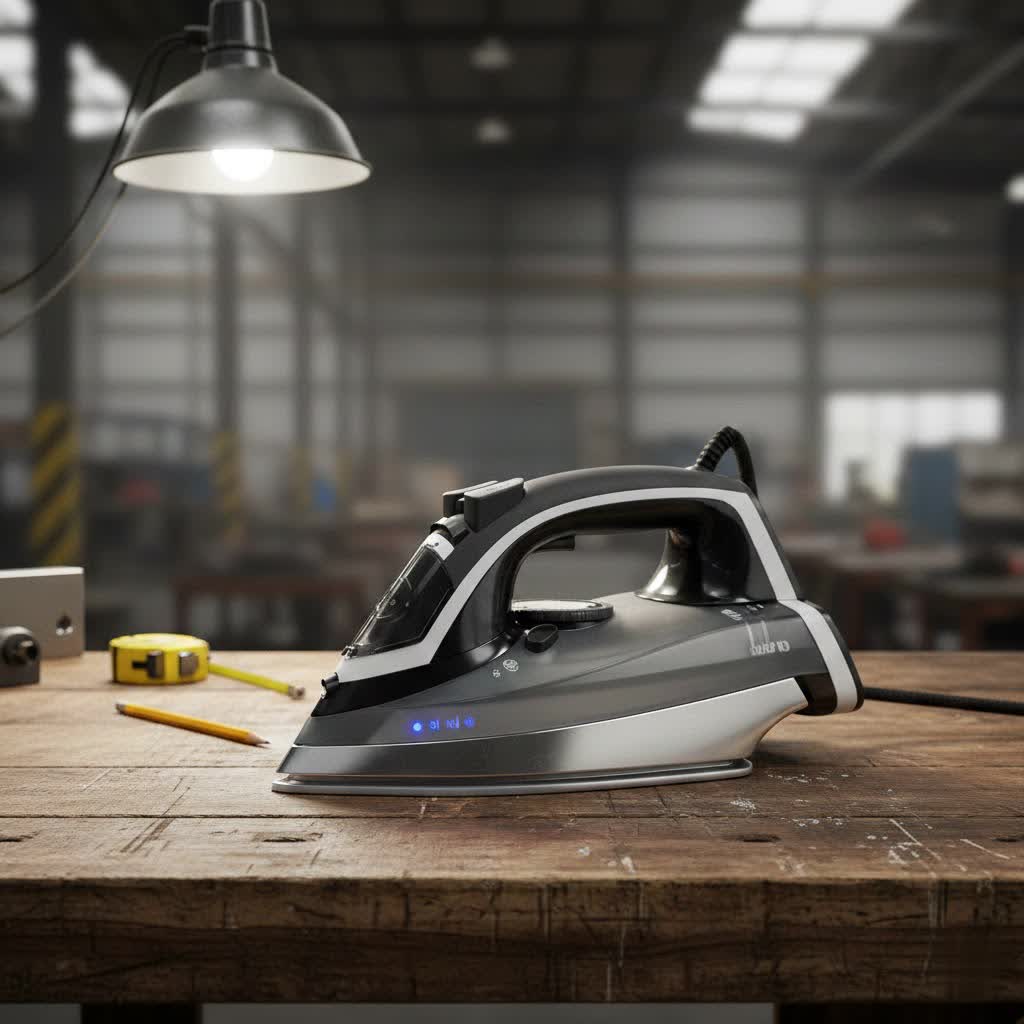
Tired of battling stubborn wrinkles with an underperforming iron? A reliable steam iron is more than just an appliance; it’s your secret weapon for maintaining a crisp, polished wardrobe and making a stellar first impression. Finding a steam iron that consistently delivers powerful steam, glides effortlessly, and stands the test of time can transform your ironing routine from a tedious chore into a satisfying experience. This comprehensive guide will help you navigate the world of steam irons, understand what truly defines reliability, and pinpoint the best models to keep your clothes impeccably smooth.
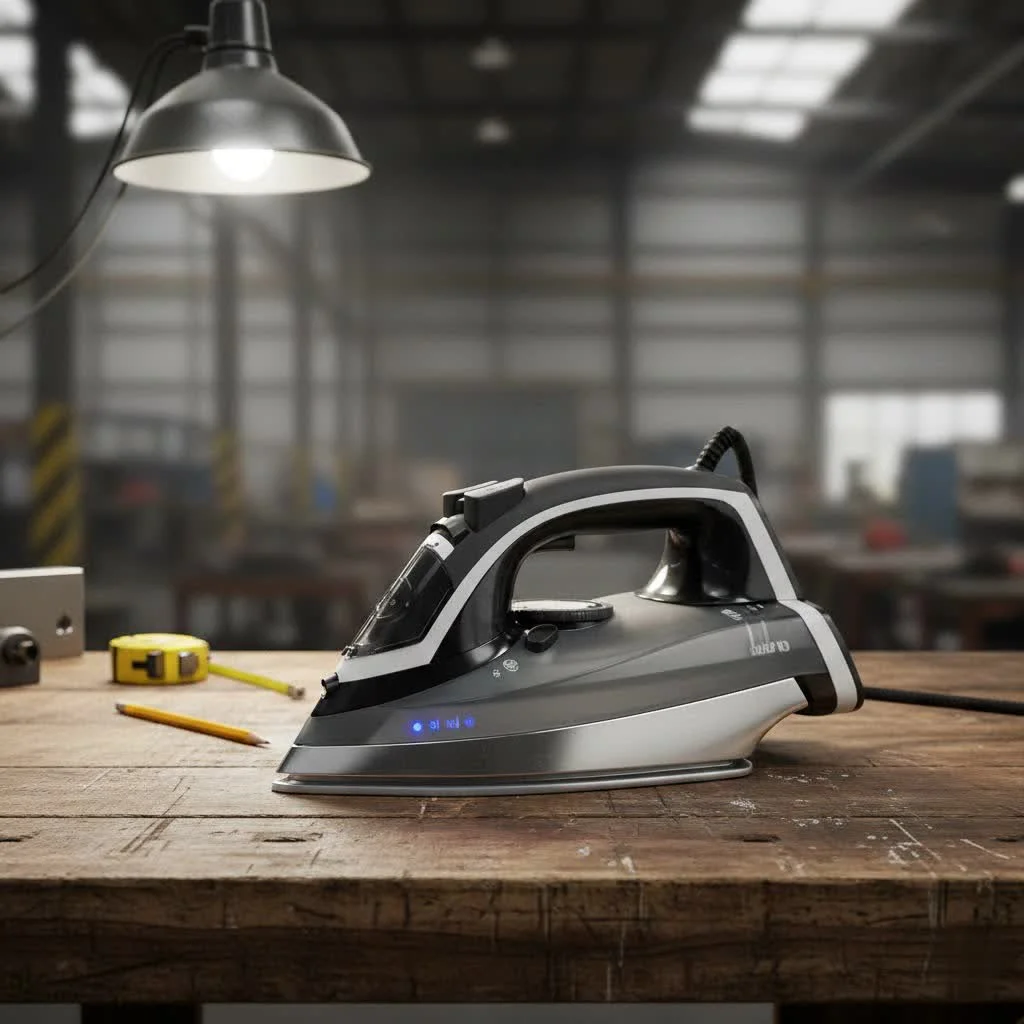
The Core of Reliability: What Makes a Steam Iron Trustworthy?
At its heart, a reliable steam iron is one that you can consistently depend on for effective and safe wrinkle removal, ironing session after session. This trust is built upon several critical factors that contribute to both performance and longevity. For best home roundups on this site.
First and foremost is durability. A reliable iron is constructed with high-quality materials, particularly for its soleplate and internal heating elements, ensuring it withstands frequent use without degradation. Components like the thermostat should offer precise and consistent temperature control across various fabrics. Equally important is consistent performance. This means a steady, powerful steam output without annoying drips or sputtering, allowing for efficient crease removal.
Safety features are non-negotiable for a trustworthy appliance. An automatic shut-off mechanism provides peace of mind, turning the iron off when left unattended. A stable design prevents accidental tipping, reducing the risk of burns or damage. Finally, user experience plays a vital role; a reliable iron should be easy to fill, maintain, and maneuver, making the task less strenuous and more effective. It should be designed for minimal fuss, delivering smooth results reliably.
Mastering Wrinkles: Understanding Types of Steam Irons
The world of steam irons offers a variety of designs, each catering to different needs and ironing habits. Understanding these types is the first step in choosing a reliable model that fits your lifestyle.
Traditional Handheld Steam Irons
These are the most common type, recognized by their classic design with an integrated water tank and a cord.
- Pros: Generally compact, lightweight, and versatile for everyday ironing tasks. They are easy to store and typically more affordable.
- Cons: Water tank capacity is usually smaller, requiring more frequent refills during larger loads. They demand more manual effort to press out deep creases.
Garment Steamers (Standing Steamers)
Designed primarily for vertical steaming, these units typically feature a large water reservoir and a hose with a steaming nozzle.
- Pros: Excellent for delicate fabrics that shouldn’t be touched by a hot soleplate, and perfect for refreshing hanging garments like suits, dresses, and curtains. They heat up quickly and have a large water capacity for extended steaming.
- Cons: Less effective for creating crisp pleats or sharp creases. They can be bulky to store and less precise than traditional irons for intricate areas.
Travel Steam Irons
|
Our Picks for the Best Steam Iron in 2026
As an Amazon Associate I earn from qualifying purchases.
|
||
| Num | Product | Action |
|---|---|---|
| 1 | Sunbeam Turbo Steam Iron 1400W Quick Heat Stainless Steel Soleplate Shot of Steam Horizontal and Vertical 3 Way Auto Off 240ml Water Tank White Teal |

|
| 2 | BLACK+DECKER Easy Steam Compact Iron for Clothes, Automatic Shutoff, Nonstick Plate, Light Weight, 1200 Watts |
|
| 3 | Hamilton Beach Steam Iron for Clothes & Garment Steamer with Smooth Press Stainless Steel Soleplate, 1200 Watts, 8’ Retractable Cord, Black (14214) |
|
| 4 | BLACK+DECKER Steam Iron for Clothes with Retractable Cord, Vertical Steaming, Anti-Drip Design, Spray Mist and Auto Clean Button, 1200W |
|
| 5 | Professional Garment Steamer, 2-in-1 Vertical & Handheld for Wrinkles, 6 Steam Modes, 30-Second Heat Up, 800mL Tank, Auto Shut-Off, Portable & Standing Design, White |
|
| 6 | Jack & Rose Travel Steamer for Clothes,100-220V Portable Iron,15s Heat Up,Steamer & Iron 2 In 1, Travel Size,Large Ceramic Heat Panel,for Global and Europe |
|
| 7 | Travel Steamer for Clothes, 1200W Handheld Garment Steamer & Iron 2-in-1, 15s Fast Heat-up Portable Steam Iron with Large Ceramic Panel, 120V Mini Ironing Machine for Home, Travel and Business |
|
| 8 | Rowenta Iron, Focus Excellence Stainless Steel Soleplate Steam Iron for Clothes, Retractable Cord, 400+ Microsteam Holes, Powerful steam, LED Display, 1750 W Ironing Clothes, Cordreel, Red DW5433 |
|
| 9 | Rowenta Iron Steamer for Clothes, Focus Stainless Steel Soleplate, 400 Microsteam Holes, Powerful Steam Iron, Lightweight, Leakproof, 1725 Watts |
|
| 10 | Rowenta Handheld Steamer for Clothes, Pure Force 2in1 Steamer & Iron, 1875W, Vertical/Horizonal Steaming & Ironing, Lightweight, Auto-off, XL power, 1875 Watts, DR8822 |
|
As the name suggests, these are miniature versions of handheld irons, built for portability.
- Pros: Super compact and lightweight, making them ideal companions for business trips or vacations. They typically heat up fast for quick touch-ups.
- Cons: Limited power and very small water tanks mean they are best suited for minor wrinkles and light loads, not heavy-duty ironing.
Steam Generator Irons (Advanced Systems)
These powerful systems consist of a separate, large water tank base connected to a lightweight iron via a steam hose.
- Pros: Offer exceptionally powerful and continuous steam output, making light work of large laundry piles and stubborn creases. The large water tank allows for extended ironing sessions without refilling, often up to two hours. The iron itself is lightweight, reducing arm fatigue.
- Cons: Significantly more expensive than traditional irons and can be quite bulky, requiring dedicated storage space.
Choosing Your Perfect Pressing Partner: A Buying Guide
Selecting a reliable steam iron means carefully considering its features and how they align with your specific ironing demands. Here’s what to look for to ensure you make a trustworthy choice.
Key Features for Reliability and Performance
- Soleplate Material: The material of the soleplate greatly impacts glide and durability.
- Ceramic: Glides smoothly, distributes heat evenly, and is generally non-stick and less prone to scratching.
- Stainless Steel: Durable and provides a good glide, but can be prone to scratching and may stick if not properly maintained.
- Titanium: Highly scratch-resistant and glides very smoothly, offering excellent durability.
- Steam Output & Settings: Look for variable steam settings to match different fabric types. A strong continuous steam output (measured in g/min) is essential for effective wrinkle removal. A “shot of steam” or “steam boost” feature provides an extra burst for stubborn creases, and vertical steam is useful for hanging garments.
- Water Tank Capacity & Drip Protection: A larger water tank (e.g., 350ml or more for handheld irons) means fewer refills, especially for larger loads. Drip protection is crucial to prevent water from leaking onto your clothes and causing stains, particularly at lower temperatures. A transparent reservoir helps monitor water levels easily.
- Wattage & Heat-up Time: Higher wattage (e.g., 1600W or more) generally translates to faster heat-up times and more powerful steam. A good steam iron should be ready to use within 30 seconds to a minute.
- Weight & Ergonomics: A lightweight iron is easy to maneuver, but a slightly heavier one might require less downward pressure to flatten creases. An ergonomic handle reduces strain during extended ironing sessions.
- Safety (Auto Shut-off): This essential feature automatically turns off the iron if left unattended for a period (e.g., 30 seconds horizontally, 8-15 minutes vertically), preventing accidents and saving energy.
- Self-Cleaning & Anti-Calc Systems: These features help prevent mineral buildup, especially in hard water areas, which can clog steam vents and reduce the iron’s lifespan and performance. Regular cleaning prolongs the reliability of your iron.
Matching Your Needs: What’s Your Ironing Style?
Your ironing frequency and the types of garments you typically iron should guide your choice. For occasional touch-ups or travel, a lightweight handheld or travel iron suffices. If you tackle large loads regularly and prioritize speed and power, a high-wattage traditional iron or a steam generator system would be more suitable. Consider your storage space and budget, as these factors will also influence the most reliable choice for your home.
Top Picks for Reliable Steam Irons in 2024-2026
Based on extensive testing and user feedback, here are some of the most reliable steam irons currently available, offering a range of features for different needs.
1. CHI Lava Electric Iron
The CHI Lava Electric Iron consistently stands out for its overall performance and reliability.
- Pros: Exceptionally effective across all fabric types, glides effortlessly, and offers clear, precise temperature controls. Users report it smooths wrinkles without sticking and maintains its performance over time. It boasts strong steam output and built-in safety features.
- Cons: Some users mention a smaller water tank.
- Key Features: Durable soleplate (often ceramic or titanium-infused), strong steam, precise temperature settings.
- Why it’s reliable: Its consistent wrinkle removal and durable construction make it a top choice for regular use.
2. Rowenta Pro Master Xcel DW8360U1
Known for its powerful steam and precision, the Rowenta Pro Master Xcel is a favorite for detailed ironing.
- Pros: Delivers powerful steam bursts and features a precision tip perfect for navigating around buttons, seams, and collars. It excels at fast crease removal, especially for heavy fabrics.
- Cons: Can be pricier than basic models.
- Key Features: High steam output (e.g., 70g/min continuous, 200g/min steam shot), micro-steam soleplate with numerous holes, anti-drip, self-clean.
- Why it’s reliable: Its robust steam power and ergonomic design ensure consistent, high-quality results, particularly for intricate garment care.
3. PurSteam SteamBurst+ 1750W Steam Iron
This model is celebrated for its generous water capacity and effective, leak-free performance.
- Pros: Features a large, leak-free water tank (up to 13.5 fl oz) for extended ironing sessions without frequent refills. Offers multiple steam options and effectively removes wrinkles with minimal effort. Easy-to-read controls and fast heat-up.
- Cons: Can be somewhat bulky compared to compact irons.
- Key Features: 1750W power, large water tank, anti-drip system, varied steam settings, ceramic soleplate.
- Why it’s reliable: Its combination of powerful steam, large capacity, and drip-free operation makes it highly dependable for tackling significant laundry loads.
4. Russell Hobbs Power Steam Ultra Iron
A robust corded iron that offers consistent power and quick results for large ironing piles.
- Pros: Delivers impressive continuous steam output (e.g., 70g/min) and a powerful steam shot (e.g., 210g/min), making quick work of deep creases. Heats up in under 30 seconds and features an ultra-smooth ceramic soleplate for easy gliding. Includes a self-clean function and anti-scale cartridge, making it suitable for hard water areas.
- Cons: The front-fill water tank can be a bit fiddly without a beaker.
- Key Features: 3100W power, ceramic soleplate, auto shut-off, vertical steam, 3m cord.
- Why it’s reliable: Its powerful performance, rapid heating, and effective descaling features contribute to its long-term reliability and user satisfaction.
5. Morphy Richards easyCHARGE Power+ Cordless Iron
For those seeking freedom of movement without sacrificing performance, this cordless iron is a top contender.
- Pros: Offers brilliant cordless convenience with a lightning-fast recharging base (e.g., 25 seconds). Delivers consistent wrinkle removal on cotton shirts in just two passes. Features a large water tank for a cordless model (e.g., 350ml) and user-friendly design.
- Cons: The water spray button can sometimes be overly zealous, potentially leaving damp patches. Steam output might be slightly less consistent than high-end corded models for very tough creases.
- Key Features: Cordless design, rapid reheat, 30g/min continuous steam, 130g/min steam boost, ceramic soleplate.
- Why it’s reliable: Its innovative cordless design combined with quick, effective ironing and a decent water capacity makes it a reliable choice for flexible and efficient garment care.
Extending the Life of Your Steam Iron: Usage and Maintenance Tips
Even the most reliable steam iron needs proper care to maintain its performance and extend its lifespan.
- Read the Manual: Always start by thoroughly reading your iron’s instruction manual. It contains specific guidelines for operation, maintenance, and troubleshooting unique to your model.
- Use Distilled or Filtered Water: Tap water, especially in hard water areas, can lead to mineral buildup (limescale) that clogs steam vents and reduces efficiency. Using distilled or filtered water significantly prolongs the life of your iron and prevents white flakes on your clothes.
- Regular Cleaning:
- Soleplate: Clean the soleplate regularly to prevent fabric residue or starch buildup. Use a damp cloth, a mild cleaner, or specialized soleplate cleaning sticks. Never use abrasive materials that can scratch the surface.
- Steam Vents: If your iron has a self-clean function, use it as recommended by the manufacturer. Otherwise, clear clogged vents with a cotton swab dipped in distilled water and white vinegar.
- Water Tank: Empty the water tank after each use to prevent stagnant water and mineral deposits.
- Proper Storage: Store your iron upright (if it’s a traditional iron) or on its designated base. Ensure the soleplate is cool before putting it away to prevent accidental burns or damage to surfaces. If it’s a corded iron, wrap the cord neatly to avoid kinks and fraying.
> “A well-maintained steam iron is a happy iron. Simple habits like using distilled water and regular cleaning can double its lifespan and ensure pristine results every time.” – Admin, ReviewChunJae.com, Steam Iron Specialist
Conclusion
Choosing a reliable steam iron is an investment in your wardrobe and your peace of mind. By focusing on models with durable construction, consistent steam output, essential safety features like auto shut-off, and convenient maintenance options, you can find a pressing partner that truly lasts. Whether you opt for the powerful efficiency of a steam generator, the versatility of a traditional handheld, or the freedom of a cordless design, prioritizing reliability ensures your clothes remain crisp and you save time in your daily routine. Don’t let wrinkles win; arm yourself with a steam iron you can trust.
What features do you value most in a steam iron for your daily needs?
Frequently Asked Questions
How often should I descale my steam iron?
The frequency of descaling depends on your water hardness and how often you use the iron. In hard water areas, descaling every 2-4 weeks is recommended, while in soft water areas, every 1-2 months may suffice. Always refer to your iron’s manual for specific instructions on its anti-calc or self-clean function.
Can I use scented water in my steam iron?
No, it is generally not recommended to use scented water, fabric softener, or starch directly in your steam iron’s water tank. These additives can clog steam vents, leave residue on the soleplate, and potentially damage internal components, compromising the iron’s reliability and performance over time.
Why is my steam iron leaking water?
Water leakage often occurs due to using the iron at too low a temperature for steam generation, causing water to drip from the soleplate before it turns into steam. It can also be a sign of excessive mineral buildup clogging the steam vents, preventing proper steam release. Ensure the iron is at its optimal steam temperature and perform regular descaling to prevent leaks.
Get our weekly buyer guide
Practical specs, not advice. Unsubscribe anytime.
