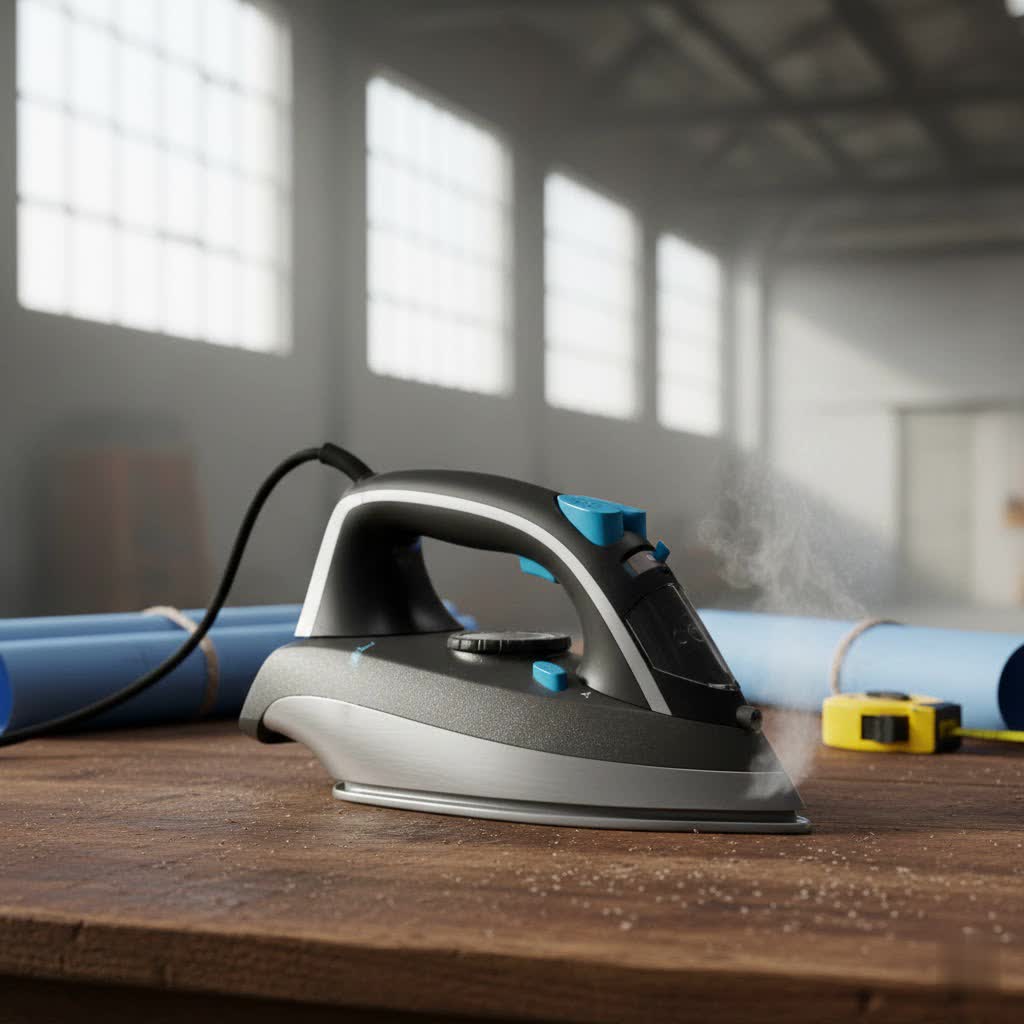
In the meticulous world of sewing, achieving a truly professional finish hinges on one often-underestimated tool: the steam iron. You can spend hours perfecting your stitches and seams, but without proper pressing at each stage, your handmade garments or quilts can quickly look less than polished. A high-quality steam iron for sewing is not just a convenience; it’s a critical partner to your sewing machine, transforming raw fabric into crisp, well-defined pieces, and ensuring your projects exude a store-bought quality. But with a many options available, how do you choose the right one for your creative endeavors? This comprehensive guide will navigate the best steam irons for sewing, detailing their unique advantages and essential features to help you select the perfect tool to improve your craft.
Understanding the Indispensable Role of Pressing in Sewing
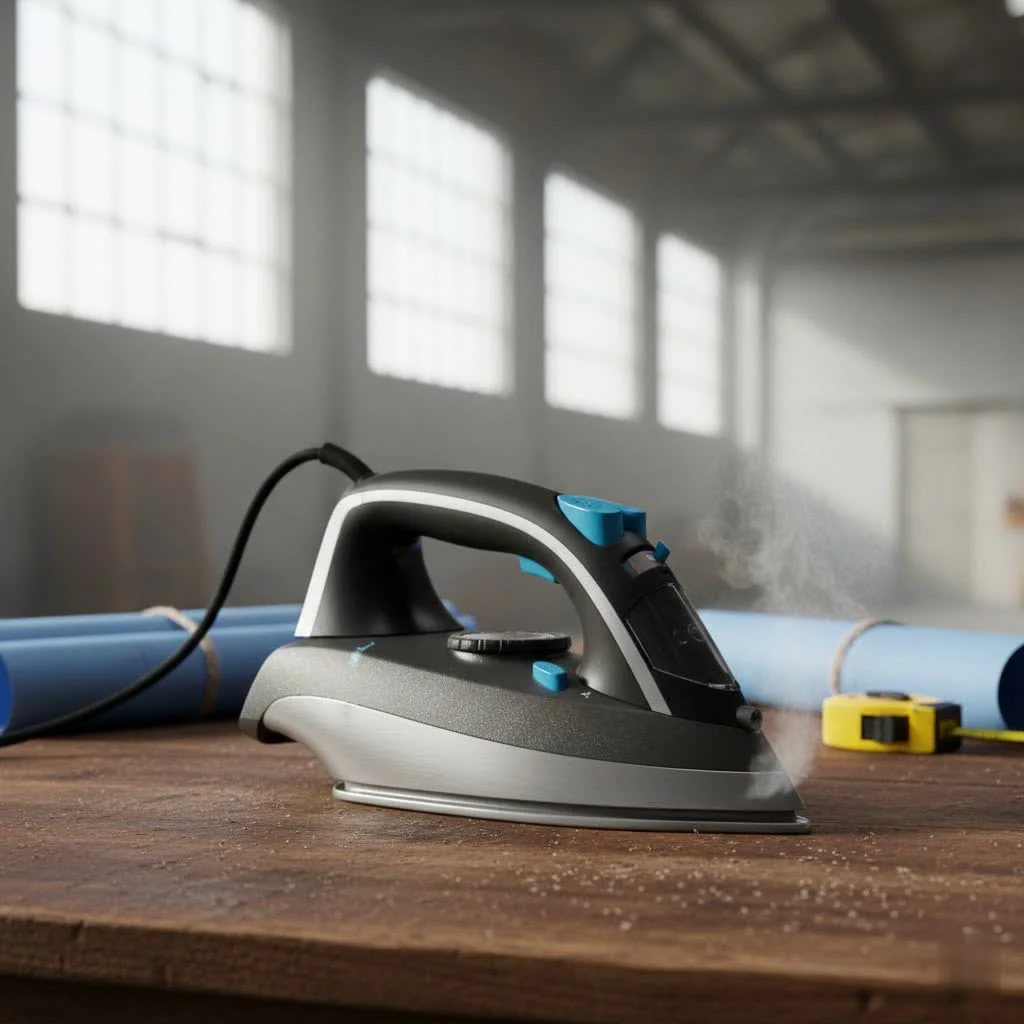
Pressing is fundamental to achieving impeccable results in any sewing project. Unlike ironing, which involves sliding the iron across fabric to remove wrinkles, pressing focuses on applying heat and steam to specific areas to set seams, shape fabric, and create crisp folds. This critical step sets stitches, flattens bulk, and allows fabric to “” its new form, resulting in cleaner lines and a more professional appearance. Skipping this step can lead to distorted seams, puckering, and an overall unfinished look, regardless of how precise your stitching may be. Integrating a quality steam iron into your workflow ensures every seam lies flat, every dart is perfectly shaped, and every project reflects the care and skill you’ve invested.
Exploring Popular Types of Steam Irons for Sewing
The market offers various types of steam irons, each with distinct advantages for sewists. Understanding these differences is key to matching the tool to your specific needs and projects.
Handheld/Traditional Steam Irons
These are the most common type of irons found in homes and sewing studios. Modern handheld steam irons often boast features tailored for sewists, such as precision tips and enhanced steam functions. They are generally compact and easy to maneuver, making them suitable for a wide range of tasks. However, their internal water tanks require more frequent refilling, and many consumer models include an auto-shutoff feature, which can be frustrating for sewists who need continuous heat during long pressing sessions.
Steam Generator Irons
Stepping up from traditional irons, steam generator irons feature a separate, larger water tank connected to the iron via a hose. This design allows for a significantly greater volume of continuous, powerful steam, making quick work of even the most stubborn wrinkles and heavy fabrics. The iron itself is typically lighter, as it doesn’t carry a water reservoir, reducing arm fatigue during extended use. While more expensive and requiring more space for the separate tank, a steam generator can be a major upgrade for serious sewists and quilters who demand high steam output and uninterrupted pressing.
Gravity Feed Irons
|
Our Picks for the Best Steam Iron in 2026
As an Amazon Associate I earn from qualifying purchases.
|
||
| Num | Product | Action |
|---|---|---|
| 1 | Professional Garment Steamer, 2-in-1 Vertical & Handheld for Wrinkles, 6 Steam Modes, 30-Second Heat Up, 800mL Tank, Auto Shut-Off, Portable & Standing Design, White |

|
| 2 | Travel Steamer for Clothes, 1200W Handheld Garment Steamer & Iron 2-in-1, 15s Fast Heat-up Portable Steam Iron with Large Ceramic Panel, 120V Mini Ironing Machine for Home, Travel and Business |
|
| 3 | Jack & Rose Travel Steamer for Clothes,100-220V Portable Iron,15s Heat Up,Steamer & Iron 2 In 1, Travel Size,Large Ceramic Heat Panel,for Global and Europe |
|
| 4 | Hamilton Beach Steam Iron for Clothes & Garment Steamer with Smooth Press Stainless Steel Soleplate, 1200 Watts, 8’ Retractable Cord, Black (14214) |
|
| 5 | BLACK+DECKER Steam Iron for Clothes with Retractable Cord, Vertical Steaming, Anti-Drip Design, Spray Mist and Auto Clean Button, 1200W |
|
| 6 | Rowenta Iron Steamer for Clothes, Focus Stainless Steel Soleplate, 400 Microsteam Holes, Powerful Steam Iron, Lightweight, Leakproof, 1725 Watts |
|
| 7 | Sunbeam Turbo Steam Iron 1400W Quick Heat Stainless Steel Soleplate Shot of Steam Horizontal and Vertical 3 Way Auto Off 240ml Water Tank White Teal |
|
| 8 | Rowenta Handheld Steamer for Clothes, Pure Force 2in1 Steamer & Iron, 1875W, Vertical/Horizonal Steaming & Ironing, Lightweight, Auto-off, XL power, 1875 Watts, DR8822 |
|
| 9 | Rowenta Iron, Focus Excellence Stainless Steel Soleplate Steam Iron for Clothes, Retractable Cord, 400+ Microsteam Holes, Powerful steam, LED Display, 1750 W Ironing Clothes, Cordreel, Red DW5433 |
|
| 10 | BLACK+DECKER Easy Steam Compact Iron for Clothes, Automatic Shutoff, Nonstick Plate, Light Weight, 1200 Watts |
|
Often found in professional tailoring shops and ateliers, gravity feed irons are robust and durable workhorses. They are designed for continuous, heavy-duty use, providing an immense amount of consistent steam. A key advantage for sewists is their characteristic lack of an auto-shutoff feature, ensuring the iron remains hot and ready for extended periods. The large water tank (often 4 liters or more) is suspended above the pressing station, allowing water to flow to the iron by gravity, ensuring constant steam without frequent refills. These irons are typically heavier, relying on both weight and steam for effective pressing, and require a dedicated setup.
Mini/Travel Steam Irons
For intricate details, small pattern pieces, or on-the-go pressing, mini and travel steam irons are invaluable. Their compact size and precision capabilities make them ideal for pressing tight curves, collar points, doll clothes, or appliqué. Many quilters also appreciate them for block construction. They heat up quickly and are perfect for taking to sewing classes, retreats, or when space is limited at your pressing station. While they offer less steam power and smaller water tanks than full-sized irons, their specialized utility fills a crucial niche for many sewists.
Steam Press Irons
A steam press iron resembles a large clamshell, designed to press larger fabric sections quickly and efficiently. By simply laying fabric on the padded surface and closing the lid, you can apply significant heat and steam over a broad area. This tool is excellent for applying interfacing, steam shrinking large pieces of wool, or pressing wide panels of fabric. While not a substitute for a traditional iron for detailed seam pressing, a steam press can be a major time-saver for specific tasks, especially for quilters or those working with home décor projects.
Key Features to Consider in a Sewing Steam Iron
Choosing the best steam iron for your sewing practice involves evaluating several critical features that impact performance, convenience, and safety.
Consistent Steam Output and Type
Powerful and consistent steam is paramount for achieving crisp seams and smoothing fabrics. Look for irons with strong continuous steam and steam burst functions. Some high-end irons, like the LauraStar, boast “true dry steam,” which can be handled without burning and is incredibly effective at penetrating fabric without leaving it damp. A good baseline for steam output is around 50 grams per minute.
Soleplate Material and Design
The soleplate is the part of the iron that directly touches your fabric, so its material and design are crucial.
- Stainless steel soleplates are durable, provide excellent glide, and distribute heat evenly.
- Ceramic-coated soleplates also offer even heat distribution and a smooth glide but may require more care to prevent scratches.
- Precision Tip: For sewists, an iron with a narrow, pointed “OnPoint™ tip” is invaluable for getting into sharp corners, pressing tiny seams open, and maneuvering around buttons and other embellishments.
Weight and Ergonomics
The ideal iron weight for sewing is a balance. A slightly heavier iron can provide better pressing power with less manual effort, which is beneficial for thicker fabrics or setting stubborn creases. However, an iron that’s too heavy can lead to hand and wrist fatigue during long sewing sessions. Look for a design that feels comfortable and balanced in your hand, with an ergonomic grip that minimizes strain.
Wattage and Heat Settings
Higher wattage (1500 watts or more) generally translates to quicker heat-up times and more powerful, consistent heat recovery, which is essential when moving between different fabric types. Adjustable heat settings are vital for tailoring the temperature to various fabrics, from delicate silks to sturdy denim, preventing scorching and protecting your materials. Some advanced irons offer electronic temperature control that automatically adjusts based on fabric type.
Water Tank Capacity and Water Type
A larger water tank means less frequent refilling, allowing for longer, uninterrupted pressing sessions. This is a significant advantage of steam generator and gravity feed irons. Regarding water, using filtered or distilled water is highly recommended to prevent mineral buildup (calcium deposits) inside the iron. Mineral buildup can clog steam vents, reduce steam output, and cause the iron to spit dirty water onto your projects. While some irons, like SINGER®, have anti-calcium filters and can use tap water, a 50/50 mix with distilled water is a good preventative measure in hard water areas.
Auto Shut-off vs. Continuous Power
This is a hotly debated feature among sewists. Most household irons have an auto-shutoff for safety, typically activating after 8-15 minutes of inactivity. While reassuring for home safety, this can be incredibly disruptive for sewists who press intermittently and return to a cold iron. Many professional-grade irons and some specialized sewing irons (e.g., Reliable Velocity with its shut-off override, gravity feed irons) offer continuous power or a significantly longer auto-shutoff period (e.g., SINGER®’s 30-minute auto-off) to accommodate the stop-and-go nature of sewing.
Cord Length and Cordless Options
A longer cord provides greater flexibility and maneuverability around your pressing surface, reducing the need for extension cords. Retractable cords are a bonus for neat storage. Cordless irons offer ultimate freedom of movement, though they require reheating on a base, which can interrupt workflow.
Durability
Irons in a busy sewing room are prone to accidental falls. Investing in a durable, sturdy iron that can withstand the rigors of frequent use is a wise choice, as it will likely save you money in replacements over time.
Comparing Steam Iron Types for Sewing
| Feature/Type | Handheld/Traditional | Steam Generator | Gravity Feed | Mini/Travel |
|---|---|---|---|---|
| Steam Output | Moderate | High, Continuous | Very High, Continuous | Low to Moderate |
| Water Tank | Small, Integrated | Large, Separate | Very Large, Suspended | Very Small, Integrated |
| Iron Weight | Moderate to Heavy | Lighter | Heavy (approx. 4 lbs) | Very Light |
| Auto Shut-off | Common (often short) | Varies (often longer/none) | None (professional) | Varies (often short) |
| Portability | High | Low (due to tank) | Very Low (fixed setup) | Very High |
| Price Range | Affordable to Mid | Mid to High | High (professional) | Very Affordable |
| Best For | General pressing, light projects | High volume, heavy fabrics | Professional studios, heavy daily use | Detailed work, travel, small projects |
Top Steam Irons for Sewing: Reviews and Recommendations
Selecting from the many options can be daunting. Here are a few highly-regarded types and brands often recommended by sewists:
Reliable Velocity Steam Iron
Known for its exceptional durability and powerful steam, the Reliable Velocity is a favorite handheld option among sewists. Its key selling point is the shut-off override, allowing the iron to stay hot as long as you need it, eliminating frustrating interruptions during your creative flow. It’s heavier than typical irons, providing excellent pressing leverage, and built to withstand years of heavy use. This makes it an investment that pays off in longevity and performance.
Rowenta Steam Irons
Rowenta is a brand frequently praised for its robust steam output and smooth gliding soleplates. Models like the Rowenta Focus or Steamforce offer high wattage for quick heating and numerous steam holes for effective wrinkle removal. While some models have auto-shutoff, their overall performance and precision tips make them popular choices for garment sewists looking for a reliable, high-performing conventional iron.
Oliso Smart Irons
The Oliso irons, particularly those with iTouch Technology or Scorchguards, stand out for their innovative auto-lift feature. The iron automatically lifts off the fabric when you release the handle, preventing scorching and saving your wrist from constant lifting. This unique feature, combined with strong steam and good heat, offers a blend of convenience and safety highly appreciated by quilters and those with long pressing sessions.
LauraStar Lift Iron
For those seeking professional-grade results and willing to invest, the LauraStar Lift iron is a portable 3-in-1 steam generator renowned for its “true dry steam.” This advanced steam technology penetrates fabric deeply without leaving it wet, resulting in crisp finishes. While it comes with a higher price tag, its exceptional steam production and versatile functionality for ironing, steaming, and purifying make it a top-tier choice for serious sewists.
Prym Mini Steam Iron
When precision is paramount, the Prym Mini Steam Iron is an indispensable tool. Its ultra-compact design and pointed soleplate are perfect for pressing open small seams, shaping intricate curves, and working with delicate fabrics where a larger iron would be cumbersome. It’s ideal for appliqué, doll clothes, or anyone who needs a secondary iron for detailed work or crafting on the go.
Essential Tips for Using and Maintaining Your Sewing Steam Iron
To ensure your steam iron performs optimally and lasts for years, follow these practical tips:
- Read the Manual: Always familiarize yourself with your specific iron’s instructions, especially regarding water type and cleaning.
- Use the Right Water: Stick to filtered or distilled water to prevent mineral buildup. Even if your iron claims to handle tap water, using purified water will extend its lifespan and prevent spitting.
- Clean Regularly: Over time, starch, fusibles, and fabric residue can build up on the soleplate. Clean it regularly with a specialized iron cleaner or a paste of baking soda and water to maintain a smooth glide.
- Empty After Use: Don’t leave water in the tank when storing your iron, as this can lead to mineral deposits and rust. Empty the tank after each session once the iron has cooled.
- Store Safely: Allow your iron to cool completely before storing it. Store it upright (if it’s a traditional iron) or on its designated heat-proof mat. For gravity feed irons, ensure the tank is securely suspended.
- Invest in Accessories: A good wool pressing mat enhances heat retention and provides an excellent surface for pressing. A Teflon soleplate cover can protect delicate fabrics from scorching and prevent shine.
- Press, Don’t Iron: the distinction. Place the iron down, apply steam and pressure, then lift and move to the next section. Avoid dragging the iron, as this can stretch or distort your fabric.
- Power Source: For powerful irons like gravity feed or steam generators, ensure you use a direct wall socket or a heavy-duty 10-gauge extension cord to prevent electrical hazards and ensure optimal performance.
Conclusion
A high-quality steam iron is as vital to a sewist’s toolkit as a reliable sewing machine. It’s the silent workhorse that elevates your projects from handmade to professional, ensuring crisp seams, perfectly set details, and a polished finish that truly makes your creations shine. Whether you opt for the powerful continuous steam of a generator iron, the robust reliability of a gravity feed model, the precision of a mini iron, or a feature-rich handheld, choosing the right steam iron for sewing will improve your experience. By considering factors like steam output, soleplate design, and the crucial auto-shutoff feature, you can find the perfect pressing partner for your unique sewing journey. What pressing challenge are you ready to conquer next with your ideal steam iron?
Frequently Asked Questions
What makes a steam iron “good for sewing” compared to a regular iron?
A steam iron good for sewing typically offers powerful and consistent steam output, a precision soleplate tip for intricate areas, and often a longer auto-shutoff period or no auto-shutoff at all, allowing for continuous pressing during projects.
Is an auto-shutoff feature desirable for a sewing iron?
Generally, no. Most sewists prefer an iron without an auto-shutoff, or one with an override or a very long delay (e.g., 30 minutes), as it prevents interruptions and keeps the iron ready during intermittent pressing sessions.
Can I use tap water in my steam iron for sewing?
It’s generally recommended to use filtered or distilled water to prevent mineral buildup and extend the life of your iron. While some irons have anti-calcium filters, hard water can still lead to clogs and spitting over time.
How much wattage is ideal for a sewing steam iron?
A wattage of 1500 watts or higher is often recommended as it ensures quicker heat-up times and more robust, consistent steam generation, which is beneficial for tackling various fabrics and stubborn wrinkles.
What is a “precision tip” on a steam iron, and why is it important for sewing?
A precision tip is a narrower, more pointed front on the iron’s soleplate. It’s crucial for sewists because it allows for accurate pressing in tight spaces like seam allowances, collar points, cuffs, and around buttons, ensuring crisp and clean results.
Get our weekly buyer guide
Practical specs, not advice. Unsubscribe anytime.
