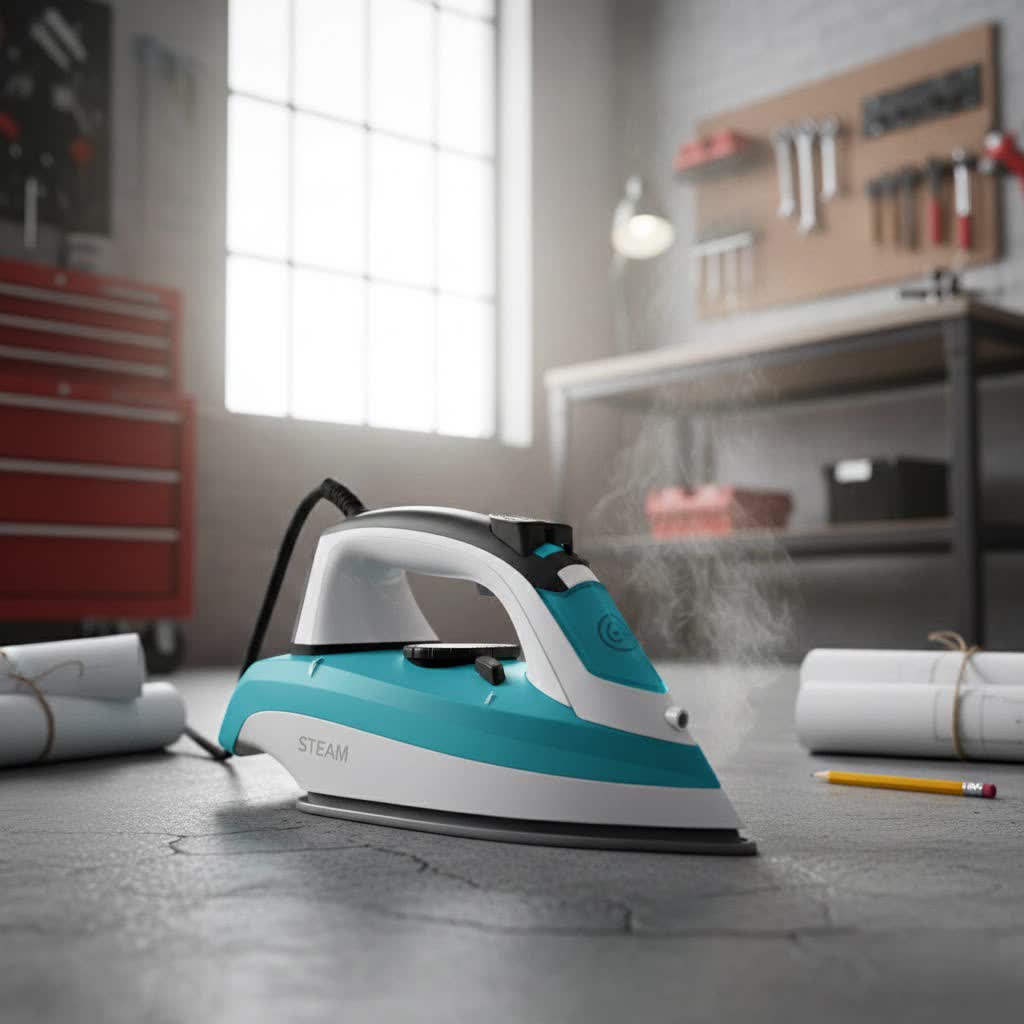
Stepping out in crisp, wrinkle-free clothes isn’t just about looking good; it’s about feeling confident and ready to tackle your day. While laundry might feel like a never-ending chore, the right steam iron can transform your garment care routine from a dreaded task into a satisfying one. Whether you’re a meticulous dresser, a quilter, or simply someone who appreciates a smooth finish, understanding the diverse world of steam irons is the first step to finding your ideal match. With countless models promising effortless results, how do you choose the steam iron that truly fits your needs? Let’s dive into the essential features, types, and considerations to help you target the perfect appliance for impeccably pressed clothes every time.
Understanding the Different Types of Steam Irons
The term “steam iron” encompasses a range of appliances, each designed to cater to different ironing demands and lifestyles. Knowing these distinctions is key to making an informed decision. For explore our home reviews on this site.
Traditional Steam Irons
These are the most common type, featuring a heated soleplate and an integrated water tank that produces steam through perforations. They are versatile for everyday ironing tasks and ideal for achieving sharp creases and a smooth finish on most fabrics. Their compact design makes them easy to store.
Handheld Garment Steamers
Designed for quick wrinkle removal and refreshing delicate garments directly on the hanger, handheld steamers prioritize portability and ease of use. They’re excellent for travel or for garments that are difficult to iron flat, like embellished dresses or structured jackets. However, they may not achieve the crispness a traditional iron offers.
Steam Generator Irons (Steam Stations)
For those who tackle large volumes of ironing or demand professional-grade results, steam generator irons are the ultimate solution. They consist of a separate, large water tank that generates a continuous, high-pressure steam flow, which is then delivered to a lightweight iron. This powerful steam penetrates fabrics more deeply, significantly reducing ironing time and effort. They are, however, bulkier and typically more expensive than traditional steam irons.
Pros and Cons of Each Steam Iron Type
Each type of steam iron comes with its own set of advantages and disadvantages.
Traditional Steam Irons
- Pros:
- Compact and Convenient: Easy to store in small spaces.
- Affordable: Generally the most budget-friendly option.
- Versatile: Suitable for most fabrics and able to create sharp creases.
- Ergonomic: Often designed for comfortable handling during extended use.
- Cons:
- Limited Steam Output: May require more effort for stubborn wrinkles.
- Smaller Water Tank: Requires more frequent refills during long ironing sessions.
- Slower for Large Loads: Not ideal for families with heavy ironing needs.
Handheld Garment Steamers
|
Our Picks for the Best Steam Iron in 2026
As an Amazon Associate I earn from qualifying purchases.
|
||
| Num | Product | Action |
|---|---|---|
| 1 | Sunbeam Turbo Steam Iron 1400W Quick Heat Stainless Steel Soleplate Shot of Steam Horizontal and Vertical 3 Way Auto Off 240ml Water Tank White Teal |

|
| 2 | Rowenta Handheld Steamer for Clothes, Pure Force 2in1 Steamer & Iron, 1875W, Vertical/Horizonal Steaming & Ironing, Lightweight, Auto-off, XL power, 1875 Watts, DR8822 |
|
| 3 | Rowenta Iron Steamer for Clothes, Focus Stainless Steel Soleplate, 400 Microsteam Holes, Powerful Steam Iron, Lightweight, Leakproof, 1725 Watts |
|
| 4 | Hamilton Beach Steam Iron for Clothes & Garment Steamer with Smooth Press Stainless Steel Soleplate, 1200 Watts, 8’ Retractable Cord, Black (14214) |
|
| 5 | Rowenta Iron, Focus Excellence Stainless Steel Soleplate Steam Iron for Clothes, Retractable Cord, 400+ Microsteam Holes, Powerful steam, LED Display, 1750 W Ironing Clothes, Cordreel, Red DW5433 |
|
| 6 | Travel Steamer for Clothes, 1200W Handheld Garment Steamer & Iron 2-in-1, 15s Fast Heat-up Portable Steam Iron with Large Ceramic Panel, 120V Mini Ironing Machine for Home, Travel and Business |
|
| 7 | BLACK+DECKER Steam Iron for Clothes with Retractable Cord, Vertical Steaming, Anti-Drip Design, Spray Mist and Auto Clean Button, 1200W |
|
| 8 | Professional Garment Steamer, 2-in-1 Vertical & Handheld for Wrinkles, 6 Steam Modes, 30-Second Heat Up, 800mL Tank, Auto Shut-Off, Portable & Standing Design, White |
|
| 9 | Jack & Rose Travel Steamer for Clothes,100-220V Portable Iron,15s Heat Up,Steamer & Iron 2 In 1, Travel Size,Large Ceramic Heat Panel,for Global and Europe |
|
| 10 | BLACK+DECKER Easy Steam Compact Iron for Clothes, Automatic Shutoff, Nonstick Plate, Light Weight, 1200 Watts |
|
- Pros:
- Portability: Perfect for travel and quick touch-ups.
- Gentle on Fabrics: Ideal for delicate materials that might be damaged by direct soleplate contact.
- No Ironing Board Needed: Can be used on hanging garments.
- Cons:
- Less Precision: Difficult to create sharp creases or fully flatten heavy fabrics.
- Smaller Water Capacity: Often requires frequent refills.
- Not a Replacement for Traditional Ironing: Best for refreshing rather than deep wrinkle removal.
Steam Generator Irons
- Pros:
- Superior Steam Power: High-pressure, continuous steam for fast, efficient ironing.
- Large Water Tank: Allows for longer ironing sessions without refilling.
- Less Effort: Steam does most of the work, reducing physical strain.
- Professional Results: Excellent for heavy fabrics and achieving a crisp finish.
- Cons:
- Bulky and Heavy: Requires more storage space and can be less portable.
- Higher Price Point: A significant investment compared to other types.
- Requires Vented Ironing Board: High steam output benefits from a board designed to handle it.
Quick Comparison: Steam Iron Types
To help you visualize the differences, here’s a quick comparison:
| Feature | Traditional Steam Iron | Handheld Garment Steamer | Steam Generator Iron |
|---|---|---|---|
| Size | Compact | Very Compact | Bulky |
| Steam Power | Moderate | Low to Moderate | High to Very High |
| Price | Low to Moderate | Low | High |
| Best For | Everyday ironing, crisp finishes | Quick touch-ups, travel, delicate fabrics | Large loads, professional results, heavy fabrics |
How to Choose the Right Steam Iron for You
Selecting the perfect steam iron involves evaluating several key features that impact performance, convenience, and durability. Consider these factors when making your choice:
Soleplate Material
The material of the soleplate greatly influences how smoothly the iron glides over fabric and its overall durability.
- Ceramic Soleplates: Known for even heat distribution and non-stick properties, making them excellent for gliding across various fabrics without snagging. Ceramic-titanium combinations offer enhanced scratch resistance and effective heat transfer.
- Stainless Steel Soleplates: Offer great durability and a smooth glide, resisting scratches and corrosion well. They heat up quickly and maintain a consistent temperature.
- Aluminum Soleplates: Lightweight and heat up fast, but are more prone to scratches and can sometimes stick to fabrics if not coated properly. Often found in more budget-friendly models.
Wattage (Power)
Higher wattage generally means faster heat-up times and more consistent, powerful steam production. For efficient ironing, especially if you deal with tough wrinkles, look for models around 1500 watts or higher. A robust wattage ensures your iron is ready when you are and maintains its performance throughout your task.
Steam Output and Features
The quality and quantity of steam are crucial for effective wrinkle removal.
- Continuous Steam: Measured in grams per minute (g/min), a higher continuous steam output means faster wrinkle elimination.
- Steam Shot/Burst: A powerful surge of steam released on demand, ideal for tackling stubborn creases.
- Vertical Steaming: Allows you to steam hanging garments, curtains, or drapes, offering added versatility.
- Variable Steam Settings: Essential for adjusting steam levels to suit different fabric types, preventing damage to delicate materials.
Water Tank Capacity
A larger water tank means fewer interruptions for refilling, which is a significant convenience, especially for bigger ironing loads. However, a larger tank also adds to the iron’s weight. Consider your typical ironing volume when deciding on tank size. Look for tanks that are easy to fill and empty.
Safety Features
Modern steam irons often come with important safety features:
- Auto-Shutoff: Automatically turns the iron off after a period of inactivity (e.g., 30 seconds if left face down, or 8-15 minutes if left upright). This provides peace of mind and prevents accidents.
- Anti-Drip System: Prevents water from leaking out of the soleplate at lower temperatures, safeguarding your garments from water spots.
Ergonomics and Cord Design
Comfort and maneuverability are vital for an enjoyable ironing experience.
- Weight and Balance: Pick up the iron if possible to test its weight and how balanced it feels in your hand. A lighter iron is easier to move but might require more downward pressure, while a heavier one needs less pressure but more effort to lift.
- Cord Length and Type: A longer cord (8 feet or more) offers greater flexibility, allowing you to iron without being restricted to a power outlet. A swivel cord (360-degree rotation) prevents tangling, and a retractable cord makes for neat and easy storage.
Maintenance Features (Self-Cleaning and Anti-Calc)
These features prolong the life of your iron and maintain its performance.
- Self-Cleaning: Helps flush out mineral deposits and impurities from the steam vents, which is especially beneficial if you use tap water.
- Anti-Calc System: Designed to prevent limescale buildup, a common problem in hard water areas, ensuring consistent steam production over time.
Popular & Highly-Rated Steam Iron Brands and Their Strengths
While specific models come and go, certain brands consistently offer reliable and feature-rich steam irons. Here are some of the brands frequently recognized for quality:
- CHI: Often praised for powerful steam bursts and ceramic-titanium soleplates that glide smoothly without leaking water. Their irons are known for effective wrinkle removal even on cold fabrics, with lightweight and balanced designs.
- Rowenta: A premium brand known for robust steam output and durable stainless steel soleplates with numerous micro-holes for excellent steam distribution. Many Rowenta models feature auto-shutoff and anti-drip systems, making them a solid choice for those seeking reliability and performance, though some models can be on the heavier side.
- Black+Decker: Offers a range of steam irons, often noted for their powerful steam bursts and effective non-stick soleplates, providing good performance at a more accessible price point. Retractable cords and automatic shut-off are common features.
- Sunbeam: Known for producing compact and budget-friendly steam irons that still deliver decent steam performance. They often include essential features like variable steam settings and shot of steam for quick tasks.
- Conair: While also offering traditional irons, Conair is particularly strong in the handheld garment steamer category, providing effective and portable solutions for quick de-wrinkling and travel.
Essential Tips for Using and Maintaining Your Steam Iron
To ensure your steam iron performs optimally and lasts for years, proper usage and maintenance are crucial.
Read the Manual
Always start by reading your iron’s instruction manual. It contains specific guidelines for your model, including water requirements, temperature settings for different fabrics, and cleaning procedures.
Use the Right Water
While many modern irons can use tap water, using distilled or de-mineralized water can significantly reduce mineral buildup and prolong your iron’s lifespan, especially in areas with hard water. Avoid using scented ironing water or additives, as these can clog steam vents.
Match Temperature to Fabric
Always check garment care labels and adjust your iron’s temperature settings accordingly. Start with lower temperatures for delicate fabrics like silk and synthetics, and increase for cotton and linen. Ironing delicate items first while the iron is heating up (or cooling down) is a smart practice.
Clean Your Soleplate Regularly
Over time, starch, melted fabric, or mineral deposits can accumulate on the soleplate. Clean it when cool with a damp cloth and mild detergent, or use a specialized soleplate cleaner if needed. A clean soleplate ensures optimal glide and prevents transferring residue to clean clothes.
Descale Your Iron
If your iron has a self-cleaning function, use it regularly (e.g., once a month or as per the manufacturer’s recommendation) to flush out mineral deposits. If not, consult your manual for descaling instructions, often involving a vinegar solution. This prevents steam vents from clogging and maintains steam performance.
Store Properly
Allow your iron to cool completely before storing it. Empty any remaining water from the tank to prevent mineral buildup and leakage. Store it upright in a dry, safe place, ideally with the cord neatly wrapped (especially if it has a retractable cord feature).
Conclusion
Choosing the ideal steam iron is a personalized journey, deeply tied to your specific garment care habits and lifestyle. From the reliable performance of a traditional steam iron for everyday pressing to the quick convenience of a handheld steamer for last-minute touch-ups, or the unparalleled power of a steam generator for demanding tasks, there’s a perfect match out there. By considering essential features like soleplate material, wattage, steam output, and safety mechanisms, you can confidently invest in a tool that not only simplifies ironing but also elevates the crispness and care of your wardrobe. Ready to transform your laundry routine and embrace perfectly pressed attire? What’s the one feature you simply can’t do without in your next steam iron?
Get our weekly buyer guide
Practical specs, not advice. Unsubscribe anytime.
