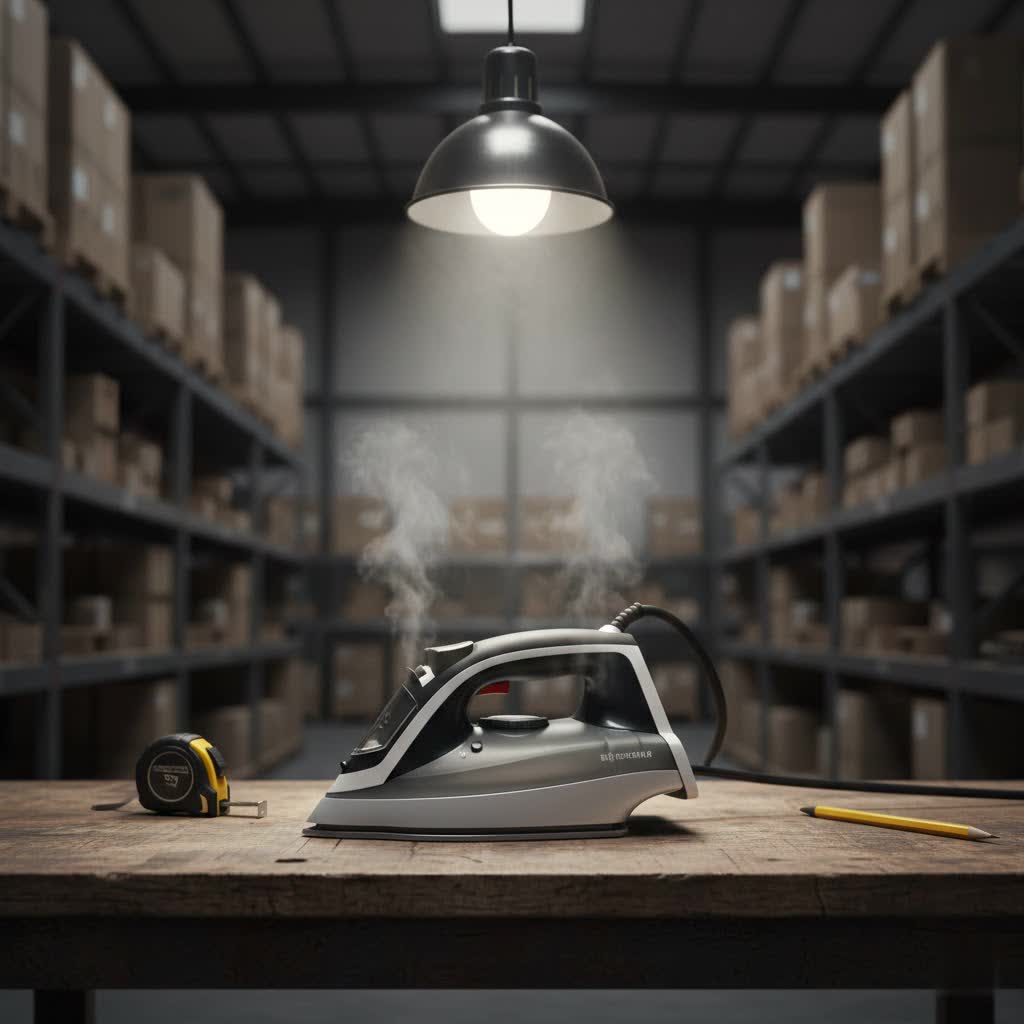
Step into a world where everyday household items held a distinct character and enduring craftsmanship. For decades, the steam iron has been an indispensable tool for achieving crisp, wrinkle-free garments, evolving from rudimentary heated slabs to sophisticated appliances. Yet, there’s a unique allure to the vintage steam iron, an appeal that transcends mere functionality and invites us to appreciate the design, ingenuity, and history embedded in these classic devices. This guide delves into the fascinating journey of vintage steam irons, exploring their origins, unique characteristics, and why they continue to captivate collectors and enthusiasts alike.
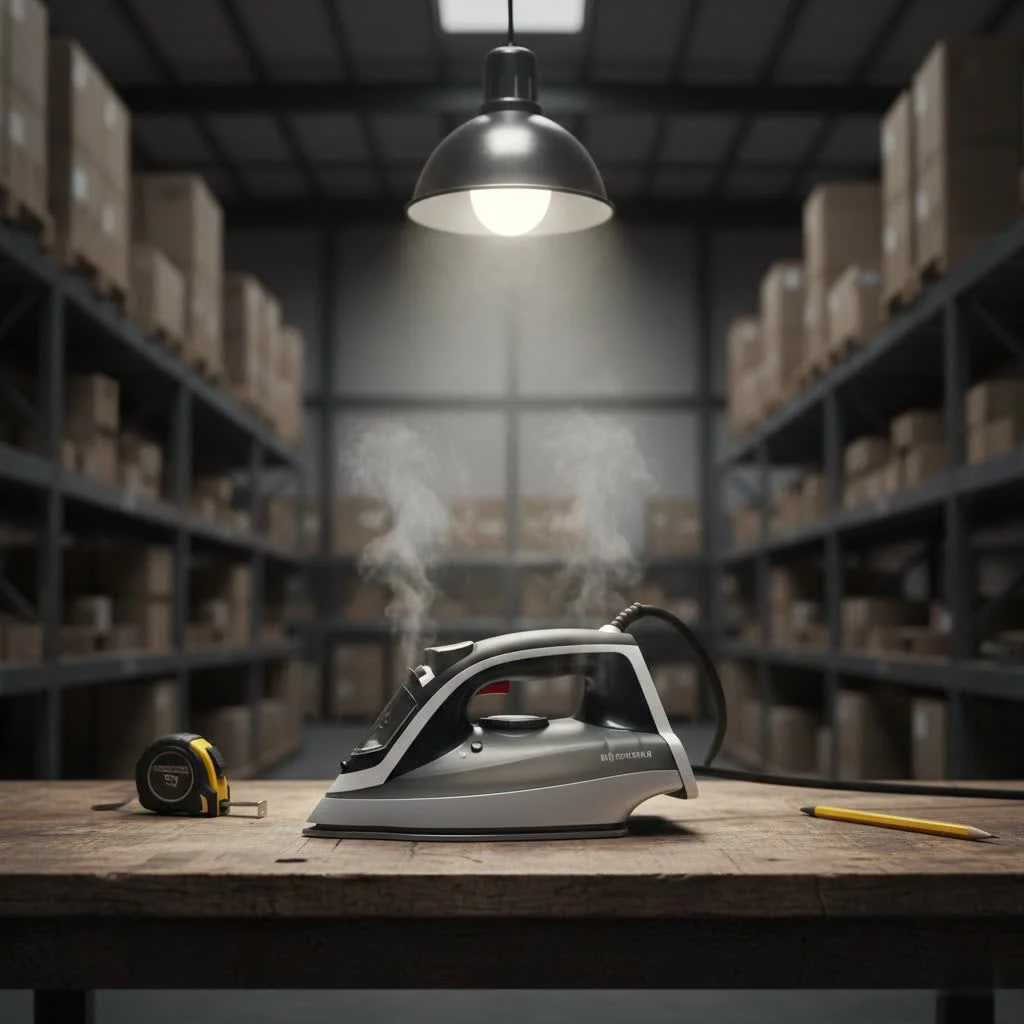
The Evolution of Steam Iron Technology: A Glimpse into the Past
The journey of the clothes iron is a long one, beginning with simple smoothing stones used as far back as the 8th century and progressing to solid metal flat irons heated over fire by the 1300s. These early “sad irons” required constant reheating and often a protective layer of cloth to prevent soot transfer. The 19th century brought advancements with box irons filled with hot coals and the monumental invention of the electric iron by Henry W. Seely in 1882, which still operated without steam. For expert home reviews on this site.
The true revolution for garment care arrived with the introduction of steam. The first commercially available electric steam iron emerged in 1926 from New York’s Eldec Company, though its initial market success was limited. A significant breakthrough came in 1934 when Max Skolnik secured a patent for an electric steam iron and dampener. This innovation paved the way for the Steam-O-Matic Corporation to achieve commercial success in 1938, making steam ironing accessible to households throughout the 1940s and 1950s.
Mid-20th century steam irons marked a distinct period in their design and functionality. Early models often had smaller internal water reservoirs or even external tanks that fed water through a tube. The aesthetic shifted from the sleek, streamlined designs of earlier dry electric irons to accommodate the necessary water storage, often resulting in larger, more squared-off bases. Innovations like aluminum soleplates, introduced to combat rust, and the ability to switch between wet and dry operation in the 1950s further defined these vintage appliances.
Why Embrace a Vintage Steam Iron? More Than Just Nostalgia
Why do collectors and design aficionados seek out vintage steam irons in an era of advanced garment care technology? The answer lies in a blend of aesthetics, craftsmanship, and a tangible connection to history. These irons often boast distinctive designs that reflect the industrial artistry of their time, from robust metal bodies to elegantly shaped handles and unique control dials. They serve as sculptural pieces, capable of adding a touch of authentic retro flair to any home or collection.
Beyond their visual appeal, many vintage steam irons were built with an emphasis on durability. Constructed from heavier, often more substantial materials than their modern counterparts, these appliances were designed to last through decades of use. This robust build quality is a testament to an era of manufacturing where longevity was a key selling point. While modern irons prioritize lightweight convenience, vintage models offer a reassuring heft that often translates to stable, effective pressing.
Collecting vintage steam irons also offers a fascinating historical journey. Each iron tells a story of domestic life and technological progress. Holding an iron that was once a cutting-edge appliance provides a direct link to how households managed garment care generations ago. Enthusiasts appreciate tracing the evolution of features, materials, and branding, turning the act of collecting into an engaging exploration of industrial design and social history.
Identifying and Valuing Your Vintage Find
For those venturing into the world of vintage steam irons, identification is the first step. Look for manufacturer markings, model numbers, and patent dates, which are often stamped on the soleplate, body, or handle of the iron. Brands like Steam-O-Matic, General Mills (known for its “Tru Heat” iron), and Proctor (“Never Lift” models) are frequently encountered and highly recognizable names from the mid-century period. Online resources and collector communities can be invaluable for cross-referencing these details.
Assessing the condition of a vintage steam iron is crucial for both its collectibility and potential functionality. Examine the soleplate for scratches, rust, or damage, as this directly impacts performance. Check the body for dents, cracks, or significant wear. For electric models, inspect the cord for fraying, cracks, or exposed wires – this is paramount for safety. Authenticity is typically confirmed through consistent branding and design elements, and comparison with known models.
Several factors influence the market value of a vintage steam iron. Rarity plays a significant role; unique designs, limited production models, or irons from less common manufacturers tend to fetch higher prices. The overall condition, particularly if it’s in working order, also heavily impacts value. Irons that come with their original boxes, instruction manuals, or accessories are often more desirable to collectors. For a realistic valuation, consulting “sold” listings on online marketplaces like eBay offers a good gauge of current market prices, as asking prices can often be inflated.
Preserving and Using Your Vintage Treasure
Acquiring a vintage steam iron brings with it the responsibility of proper care and, if desired, safe operation. For cleaning, begin by unplugging the iron and allowing it to cool completely. The soleplate can often be cleaned with a mild abrasive cleaner designed for iron soleplates, or a paste of baking soda and water for stubborn residue. For the exterior, a soft cloth dampened with a gentle cleaner is usually sufficient. Avoid harsh chemicals or abrasive pads that could damage finishes.
Safety is paramount, especially if you intend to plug in and use an electric vintage steam iron. Older wiring can become brittle and hazardous over time, posing risks of electrical shock or fire. It is strongly recommended to have the iron’s electrical components inspected and, if necessary, rewired by a qualified electrician before use. Even if deemed safe, use an older iron with caution and never leave it unattended while powered on.
Many vintage steam irons are cherished primarily for their aesthetic and historical value, making them perfect display pieces. They can serve as decorative accents in a laundry room, a conversation starter in a living area, or a prized part of an appliance collection. If you choose to use it, reserve it for occasional, light tasks on appropriate fabrics, always mindful of its age and unique characteristics. Embrace its quirks, and appreciate the legacy it represents in the continuous quest for perfectly pressed garments.
Conclusion
The vintage steam iron stands as more than just a tool for wrinkle removal; it’s a piece of domestic history, a testament to evolving design, and a symbol of enduring craftsmanship. From the initial non-electric models to the pioneering steam inventions of the mid-20th century, these appliances narrate a compelling story of human ingenuity. Their unique aesthetics, robust build, and historical significance continue to attract collectors and those who appreciate the tangible heritage of everyday objects. Whether for display or occasional practical use, a vintage steam iron offers a charming glimpse into the past, enriching our appreciation for the simple yet profound advancements that have shaped our homes. What stories might your next vintage find whisper from a bygone era?
Frequently Asked Questions
What era do most collectors consider “vintage” for steam irons?
|
Our Picks for the Best Steam Iron in 2026
As an Amazon Associate I earn from qualifying purchases.
|
||
| Num | Product | Action |
|---|---|---|
| 1 | Jack & Rose Travel Steamer for Clothes,100-220V Portable Iron,15s Heat Up,Steamer & Iron 2 In 1, Travel Size,Large Ceramic Heat Panel,for Global and Europe |

|
| 2 | BLACK+DECKER Steam Iron for Clothes with Retractable Cord, Vertical Steaming, Anti-Drip Design, Spray Mist and Auto Clean Button, 1200W |
|
| 3 | Rowenta Handheld Steamer for Clothes, Pure Force 2in1 Steamer & Iron, 1875W, Vertical/Horizonal Steaming & Ironing, Lightweight, Auto-off, XL power, 1875 Watts, DR8822 |
|
| 4 | Hamilton Beach Steam Iron for Clothes & Garment Steamer with Smooth Press Stainless Steel Soleplate, 1200 Watts, 8’ Retractable Cord, Black (14214) |
|
| 5 | Rowenta Iron, Focus Excellence Stainless Steel Soleplate Steam Iron for Clothes, Retractable Cord, 400+ Microsteam Holes, Powerful steam, LED Display, 1750 W Ironing Clothes, Cordreel, Red DW5433 |
|
| 6 | BLACK+DECKER Easy Steam Compact Iron for Clothes, Automatic Shutoff, Nonstick Plate, Light Weight, 1200 Watts |
|
| 7 | Travel Steamer for Clothes, 1200W Handheld Garment Steamer & Iron 2-in-1, 15s Fast Heat-up Portable Steam Iron with Large Ceramic Panel, 120V Mini Ironing Machine for Home, Travel and Business |
|
| 8 | Rowenta Iron Steamer for Clothes, Focus Stainless Steel Soleplate, 400 Microsteam Holes, Powerful Steam Iron, Lightweight, Leakproof, 1725 Watts |
|
| 9 | Professional Garment Steamer, 2-in-1 Vertical & Handheld for Wrinkles, 6 Steam Modes, 30-Second Heat Up, 800mL Tank, Auto Shut-Off, Portable & Standing Design, White |
|
| 10 | Sunbeam Turbo Steam Iron 1400W Quick Heat Stainless Steel Soleplate Shot of Steam Horizontal and Vertical 3 Way Auto Off 240ml Water Tank White Teal |
|
Generally, “vintage” for steam irons refers to models produced from the mid-1930s through the 1960s or early 1970s. This period saw the significant commercialization and evolution of electric steam technology, leading to distinctive designs and features that differentiate them from earlier dry irons and later, more automated models.
Are vintage steam irons safe to use today?
Vintage electric steam irons can be used, but extreme caution is advised. The wiring in older appliances can deteriorate, posing a risk of electrical shock or fire. It is highly recommended to have any vintage electric iron professionally inspected and potentially rewired by a qualified electrician before attempting to plug it in or use it.
How do I identify the manufacturer of an old steam iron?
Most manufacturers stamped their names, model numbers, and sometimes patent information on the soleplate, the top of the body, or near the handle. Carefully inspect these areas for any legible markings. Online antique iron collector resources and forums can help decipher obscure or worn out details.
What are some common features found on vintage steam irons?
Common features include water reservoirs (internal or external attachments), adjustable temperature dials for different fabric types, and steam vents on the soleplate. Some later vintage models from the 1950s offered switchable wet/dry ironing functions, and features like aluminum soleplates to prevent rust.
Where can I find vintage steam irons for my collection?
Vintage steam irons can be found in various places such as antique shops, thrift stores, estate sales, and online marketplaces like eBay (checking “sold” listings for accurate pricing). Specialized antique appliance dealers and collector conventions are also excellent sources for unique or rare finds.
Get our weekly buyer guide
Practical specs, not advice. Unsubscribe anytime.
