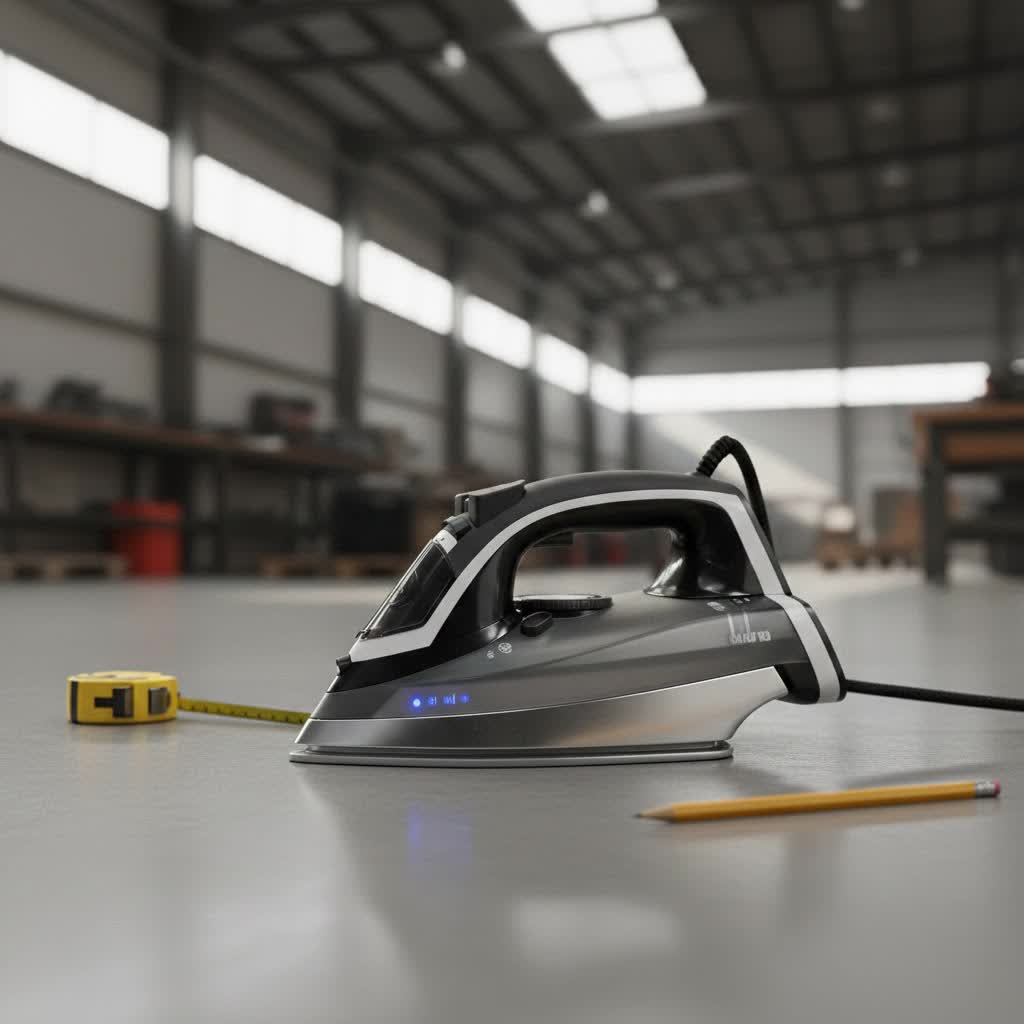
For anyone who loves to sew, whether it’s intricate quilting, bespoke garment construction, or simple repairs, the steam iron is an indispensable tool. It’s often said that pressing is as crucial as sewing itself, transforming raw fabric into crisp, professional-looking projects. Yet, with a myriad of options available, selecting the ideal steam iron for your sewing needs can feel overwhelming. This guide will navigate the world of steam irons, highlighting the essential features and top picks to help you make an informed decision and elevate your sewing experience.
Understanding the Different Types of Steam Irons for Sewing
Not all steam irons are created equal, and the best choice often depends on your specific sewing projects and workspace. Here’s a breakdown of the most common types: For more home guides on this site.
Standard Steam Irons (Handheld)
These are the most common household irons, readily available and budget-friendly. They are suitable for general sewing tasks, offering a balance of heat and steam. Their compact size makes them easy to store and maneuver. However, their water tanks are typically smaller, requiring more frequent refills during extensive pressing sessions.
Steam Generator Irons
Designed for heavy-duty use, steam generator irons feature a separate, large water tank that produces a continuous, powerful stream of steam. This setup allows for prolonged ironing without frequent refills and often provides superior wrinkle removal, especially for thicker fabrics or large yardage. They are more expensive and take up more space but offer professional-level performance.
Gravity Feed Irons
A staple in professional tailoring and sewing studios, gravity feed irons operate with an external water tank positioned above the ironing surface. This design uses gravity to deliver water to the heating element, generating abundant and consistent steam without relying on a pump. They are known for their durability, heavy weight (which aids in pressing), and often lack an auto-shutoff feature, which is a significant advantage for sewers who need uninterrupted pressing. Setting up a gravity feed iron requires a dedicated space for the overhead water tank.
Cordless Irons
Offering ultimate freedom of movement, cordless irons sit on a charging base and are detached for use. This eliminates tangled cords and allows for easy maneuverability around large projects like quilts. The main consideration is that they need to return to their base periodically to reheat, which might interrupt workflow if not managed efficiently. Some models also have smaller water reservoirs.
Travel and Mini Irons
These compact and lightweight irons are perfect for small, precise tasks, such as pressing seams in tight corners, appliqué work, or for taking to sewing classes and retreats. While they offer less power and steam output than full-sized irons, their portability and precision tip can be invaluable for detailed work.
Essential Features for Your Sewing Steam Iron
When choosing a steam iron for sewing, certain features stand out as particularly beneficial, impacting both efficiency and the quality of your finished projects.
Superior Steam Output and Quality
|
Our Picks for the Best Steam Iron in 2026
As an Amazon Associate I earn from qualifying purchases.
|
||
| Num | Product | Action |
|---|---|---|
| 1 | Professional Garment Steamer, 2-in-1 Vertical & Handheld for Wrinkles, 6 Steam Modes, 30-Second Heat Up, 800mL Tank, Auto Shut-Off, Portable & Standing Design, White |

|
| 2 | Travel Steamer for Clothes, 1200W Handheld Garment Steamer & Iron 2-in-1, 15s Fast Heat-up Portable Steam Iron with Large Ceramic Panel, 120V Mini Ironing Machine for Home, Travel and Business |
|
| 3 | Rowenta Iron Steamer for Clothes, Focus Stainless Steel Soleplate, 400 Microsteam Holes, Powerful Steam Iron, Lightweight, Leakproof, 1725 Watts |
|
| 4 | Rowenta Handheld Steamer for Clothes, Pure Force 2in1 Steamer & Iron, 1875W, Vertical/Horizonal Steaming & Ironing, Lightweight, Auto-off, XL power, 1875 Watts, DR8822 |
|
| 5 | Jack & Rose Travel Steamer for Clothes,100-220V Portable Iron,15s Heat Up,Steamer & Iron 2 In 1, Travel Size,Large Ceramic Heat Panel,for Global and Europe |
|
| 6 | BLACK+DECKER Steam Iron for Clothes with Retractable Cord, Vertical Steaming, Anti-Drip Design, Spray Mist and Auto Clean Button, 1200W |
|
| 7 | Hamilton Beach Steam Iron for Clothes & Garment Steamer with Smooth Press Stainless Steel Soleplate, 1200 Watts, 8’ Retractable Cord, Black (14214) |
|
| 8 | BLACK+DECKER Easy Steam Compact Iron for Clothes, Automatic Shutoff, Nonstick Plate, Light Weight, 1200 Watts |
|
| 9 | Sunbeam Turbo Steam Iron 1400W Quick Heat Stainless Steel Soleplate Shot of Steam Horizontal and Vertical 3 Way Auto Off 240ml Water Tank White Teal |
|
| 10 | Rowenta Iron, Focus Excellence Stainless Steel Soleplate Steam Iron for Clothes, Retractable Cord, 400+ Microsteam Holes, Powerful steam, LED Display, 1750 W Ironing Clothes, Cordreel, Red DW5433 |
|
High and consistent steam output is paramount for effectively relaxing fabric fibers and setting seams. Look for irons with:
- Continuous Steam: A steady flow of steam helps to easily flatten fabrics and press open seams. Many experts recommend at least 50 grams per minute (g/min) for effective steam output.
- Steam Burst/Shot: A powerful burst of steam is excellent for tackling stubborn wrinkles or for vertically steaming garments.
- Anti-Drip System: Essential to prevent water spots on your precious fabrics, especially at lower temperatures.
Soleplate Material and Design
The soleplate is the surface that comes into direct contact with your fabric, so its material and shape are critical.
- Materials: Common materials include stainless steel, ceramic, and non-stick coatings. Stainless steel glides smoothly and is durable. Ceramic soleplates distribute heat evenly and offer a smooth glide.
- Precision Tip: A tapered or pointed tip is invaluable for getting into tight spaces, pressing small seams, and navigating intricate details on collars, cuffs, and corners.
Accurate Heat Settings and Fast Heat-Up Time
Precise temperature control is vital for working with various fabrics, from delicate silks to sturdy denim and cotton.
- Variable Temperature Dial: Allows you to select the exact heat level required for different materials, preventing scorching or damage.
- Quick Heat-Up: An iron that heats up rapidly reduces waiting time, allowing you to get back to your sewing faster. Irons with higher wattage (e.g., 1500W+) generally heat up quicker.
Water Tank Capacity
A larger water tank means fewer interruptions for refills, which is a blessing during long sewing sessions. Consider steam generator or gravity feed irons if continuous, high-volume steaming is a priority. For standard irons, a translucent tank is helpful for monitoring water levels.
Weight and Ergonomics
The iron’s weight can be a personal preference. Some sewers prefer a heavier iron that uses its weight to press fabrics flat, while others favor a lighter, more maneuverable iron for detailed work and reduced arm fatigue.
- Comfortable Handle: An ergonomic handle design reduces strain during extended use.
- Balanced Feel: A well-balanced iron is easier to control and less fatiguing.
Cord Length and Type
A long power cord provides greater flexibility and allows you to position your ironing board comfortably without being restricted by outlet proximity.
- Retractable Cord: Convenient for tidy storage and prevents tangling.
- Cordless Options: As mentioned, these offer maximum freedom of movement but require periodic reheating.
Auto-Shutoff Feature
This is a debated feature among sewers. While crucial for safety, many serious sewers find automatic shut-off frustrating as it can interrupt workflow, especially during precise pressing when an iron might be left idle for short periods.
- Longer Auto-Shutoff: Some irons offer longer auto-shutoff times (e.g., 30 minutes instead of 8-10) which can be a good compromise for sewers.
- No Auto-Shutoff: Gravity feed irons often omit this feature, making them a popular choice for dedicated sewists who prioritize uninterrupted work. If using an iron without auto-shutoff, always remember to unplug it manually.
Anti-Calc/Self-Cleaning Features
These features help prevent mineral buildup, especially if you use tap water, prolonging the life and efficiency of your iron and preventing mineral deposits from staining your fabrics.
Comparison of Steam Iron Types
| Feature | Standard Steam Iron | Steam Generator Iron | Gravity Feed Iron | Cordless Iron | Travel/Mini Iron |
|---|---|---|---|---|---|
| Steam Output | Moderate | High & Continuous | Very High & Consistent | Moderate | Low to Moderate |
| Water Tank | Small | Large (Separate) | Very Large (External) | Small | Very Small |
| Portability | High | Low | Very Low (Stationary) | Very High | Extremely High |
| Heat Retention | Good | Excellent | Excellent | Moderate (reheats on base) | Moderate |
| Auto-Shutoff | Common (often short) | Variable | Often None (Pro Preference) | Common | Common |
| Price Range | Low to Mid | Mid to High | Mid to High (Professional) | Mid | Low |
| Ideal For | General sewing, light pressing | Large projects, quilters, heavy use | Professional studios, high-volume pressing | Flexibility, specific tasks | Detail work, classes, travel |
Top Steam Irons for Sewing: Highly Recommended Models
Based on common praise from the sewing community, several brands and models consistently rise to the top.
Rowenta Irons
Rowenta is a perennial favorite among sewers and quilters for its strong steam output, durable soleplates, and precision tips. Models like the Rowenta Steamforce DW9280 and Rowenta Focus are highly regarded for their steam power, excellent glide, and responsive temperature controls. The Rowenta 6080 Eco-Intelligence is also noted for energy efficiency and anti-calcium features. The Rowenta Access Steam Iron with Retractable Cord is praised for its convenient cord management and variable temperature dial.
Oliso Smart Irons
The Oliso Pro TG1600 Smart Iron (and Pro+ versions) stands out with its patented iTouch technology, which automatically lifts the iron off the ironing board when you release the handle. This “scorchguard” feature prevents burns and scorching, saves wrists from constant lifting, and maintains heat more consistently. They are known for their strong steam and smooth soleplates. The Oliso M3Pro is a compact version, offering similar technology in a smaller footprint.
Reliable Irons
As their name suggests, Reliable irons are often lauded for their durability and consistent performance. The Reliable Velocity is a popular handheld option, while their Steam Generator Irons provide massive, continuous steam for serious pressing. They are typically heavier and more robust, built to withstand frequent use.
Other Notable Mentions
- CHI Irons: Offer good steam and high heat, often at a more budget-friendly price point, and some models feature a longer 30-minute auto-shutoff.
- Hamilton Beach Irons: A great choice for budget-conscious sewers, these irons are well-reviewed for basic yet effective performance.
- Singer Steamcraft Plus: Praised for its quick heat-up time and narrow precision tip, excellent for getting into small seams.
- Panasonic Cordless Irons: Provide the convenience of cordless operation with a double-sided detailing soleplate, ideal for maneuverability.
Tips for Using and Maintaining Your Sewing Steam Iron
To maximize the life and performance of your steam iron for sewing, follow these practical tips:
- Use Distilled Water: This is perhaps the most crucial tip. Using distilled or de-mineralized water prevents mineral buildup (limescale) in your iron, which can clog steam vents, reduce steam output, and cause spitting or staining on your fabrics.
- Read the Manual: Always refer to your iron’s specific instructions for optimal use and care.
- Clean the Soleplate Regularly: Fabric sizing, fusible interfacings, and residue can build up on the soleplate. Use a dedicated iron cleaner, a damp cloth with mild soap, or even a paste of baking soda and water to keep it clean and gliding smoothly.
- Empty the Water Tank: After each use, empty any remaining water from the tank to prevent stagnant water buildup and mineral deposits.
- Store Properly: Store your iron upright or on its heel, and allow it to cool completely before putting it away. For gravity feed irons, ensure the external tank is hung correctly.
- Press as You Sew: Good pressing technique involves pressing seams after each stitching step. This foundational practice results in much crisper, more professional-looking finished projects.
- Protect Your Ironing Board: Use a good quality ironing board cover to reflect heat and provide a smooth surface. Consider an ironing mat for smaller projects or tabletop pressing.
Conclusion
Choosing the best steam iron for sewing is an investment in the quality and enjoyment of your craft. By understanding the different types of irons and prioritizing features like robust steam output, a precision soleplate, and reliable temperature control, you can find a tool that truly enhances your sewing process. Whether you opt for a professional-grade steam generator, a smart iron with auto-lift technology, or a dependable standard model, the right iron will transform your pressing from a chore into a seamless part of your creative journey. What pressing challenges has a great steam iron helped you overcome?
Frequently Asked Questions
What wattage is best for a sewing iron?
While wattage primarily affects the heat-up time, generally, an iron with at least 1500 watts of power will heat quickly and maintain a consistent high temperature, which is beneficial for pressing seams and stubborn wrinkles in sewing projects.
Is an auto-shutoff feature good for a sewing iron?
The auto-shutoff feature is a safety mechanism that turns the iron off after a period of inactivity. For sewers, this can be frustrating as it interrupts workflow, especially if the iron is frequently set down for short intervals. Many dedicated sewers prefer irons with a longer auto-shutoff time (e.g., 30 minutes) or no auto-shutoff at all, like some gravity feed models.
Should I use tap water or distilled water in my steam iron?
It is highly recommended to use distilled water in your steam iron for sewing. Tap water contains minerals that can build up inside the iron, leading to calcium deposits (limescale) that can clog steam vents, reduce steam effectiveness, and potentially stain your fabric. Distilled water prevents this buildup, extending the life of your iron.
What’s the difference between a steam iron and a steam generator iron for sewing?
A standard steam iron holds water in a small reservoir directly within the iron, producing steam as you press. A steam generator iron has a much larger, separate water tank connected to the iron by a hose, generating a continuous and powerful volume of steam for extended periods, ideal for large projects or professional use.
Why is a precision tip important for a sewing iron?
A precision tip on an iron’s soleplate allows you to accurately press small areas, intricate details, and open seams in tight corners, such as those on collars, cuffs, and points. This precision is crucial for achieving crisp, professional results in garment construction and quilting where accuracy is key.
Get our weekly buyer guide
Practical specs, not advice. Unsubscribe anytime.
